3 hr
Pico Island: Whale & Dolphin Watching from Lajes do Pico
- Entry ticket
- Mobile voucher
- Valid same day
- Free cancellation
Pico Island Whale Watching Tours — Departures from Lajes do Pico
Volcano at your back, an ocean of breath ahead.
Compare fares, pick the fit — all bookings are mobile-voucher and eligible for free cancellation where shown.
3 hr
2 hr 30 min
3 hr
| Experience | From | Duration | Rating | Guide | Small group | Free cancel. | Price | |
|---|---|---|---|---|---|---|---|---|
|
Standard Entry
Most popular
Pico Island: Whale & Dolphin Watching from Lajes do Pico
|
Lajes do Pico | 3 hr | ★ 4.9 | ✓ | — | ✓ | €70 | Book → |
|
Standard Entry
Pico Island Ocean Adventure: Whale & Dolphin Watching from Lajes
|
Lajes | 2 hr 30 min | ★ 4.7 | ✓ | — | ✓ | €45 | Book → |
|
Standard Entry
Marine Biology Research Whale & Dolphin Boat Tour in Pico
|
— | 3 hr | ★ 4.8 | ✓ | ✓ | ✓ | €86 | Book → |
Worth it for marine-life fans and first-timers
There's no fee to enter the harbor or office — the entrance is 0 EUR, so pico island whale watching tours put your whole budget into the boat and crew rather than a gate. Expect a three-hour RIB or catamaran trip with a marine biologist aboard. Sighting odds run high because land-based vigias scan from cliff lookouts and radio the skipper to sperm whales before you leave the dock. Buying pico island whale watching tours tickets from a certified operator like Espaço Talassa also funds cetacean research and enforces distance limits that protect the animals. Spring brings migrating blue and fin whales, while summer leans on resident sperm whales and dolphin pods. This Azores whale watching tour ranks among the Atlantic's most dependable, and a single pico island whale watching tours tour rewards first-timers and marine-life enthusiasts most. Casual sightseers who dislike open water may find the price steep for a possible no-show. Still, against generic pico island whale watching tours tours advertised elsewhere, the onboard biologist and lookout network justify the spend.
Bottom line: Worth every euro for anyone drawn to sperm whales, since these Azores whale watching trips deliver more science and ethics than most pico island whale watching tours worldwide.
Lajes do Pico is the superior harbor for wildlife proximity, though choosing between these pico island whale watching tours tours depends on your transit needs. While both ports facilitate an Azores whale watching excursion, Lajes do Pico offers faster access to feeding grounds using land-based vigias.
|
Top pick Lajes do Pico |
Madalena Departures | |
|---|---|---|
| Main Departure Port | Port of Lajes do Pico | Cais da Madalena |
| Vessel Types Offered | Semi-rigid inflatable Zodiac boats | Zodiacs and aluminum cabin boats |
| Proximity to Feeding Grounds | ~10 minutes boat ride to whales | ~30 minutes boat ride to whales |
| Channel Accessibility | Direct access to deep south-coast waters | Access to northern channels and Faial/São Jorge |
| Ferry Terminal Convenience | Low (35-minute drive to main ferry) | High (Directly next to ferry terminal) |
| Historic Heritage | High (Azores whaling capital, Whaler's Museum) | Moderate (Modern marina, focused on marine research) |
| See tickets & prices |
Verdict: For dedicated encounters guided by marine biologists, buy your pico island whale watching tours tickets for Lajes do Pico, though a pico island whale watching tours tour from Madalena is better for matching Faial ferry arrivals.
Hand-picked experiences loved by thousands of travelers
4 hours
Free Cancellation
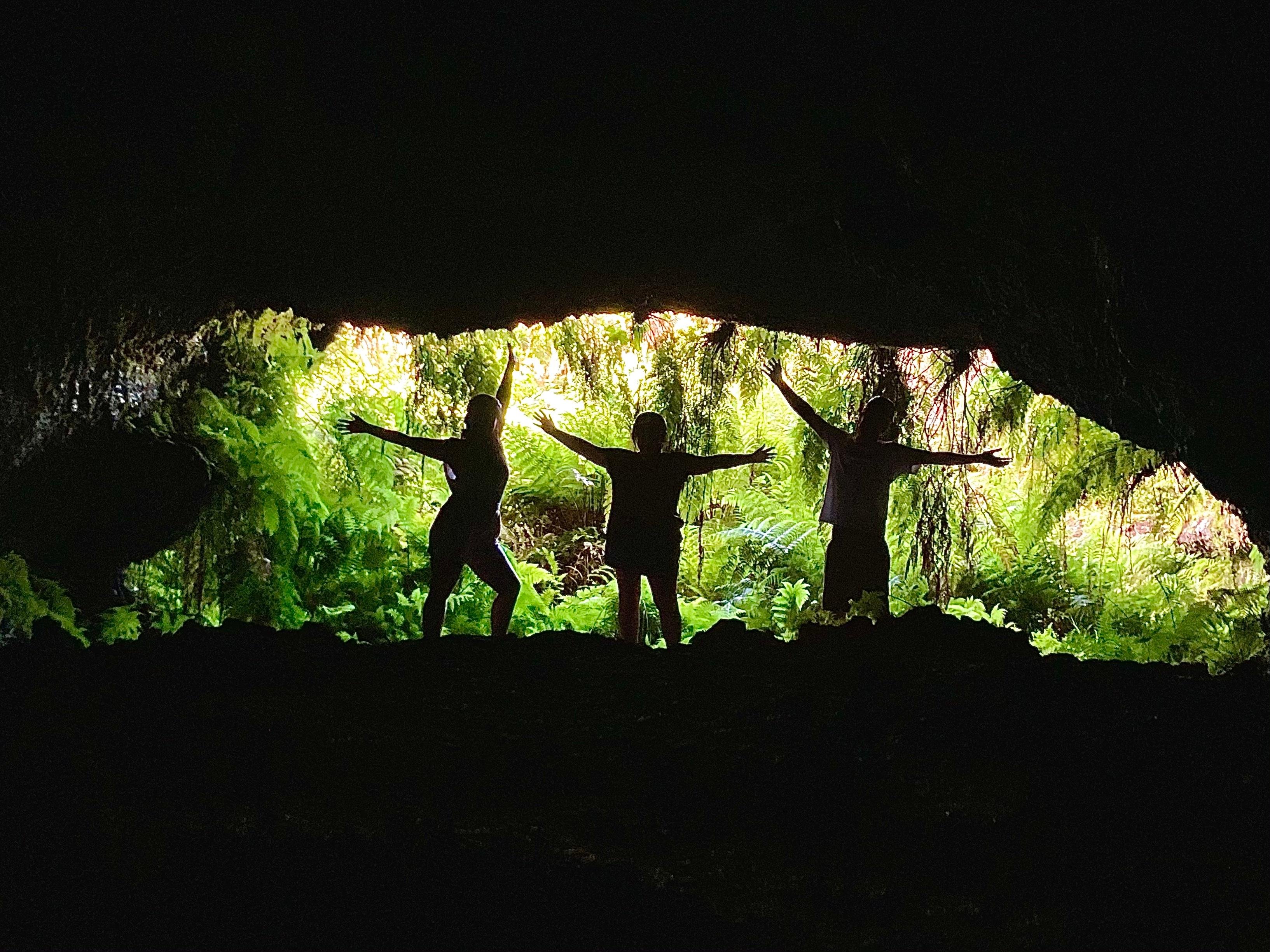
Discover Pico's stunning volcanic plateau, vibrant lagoons, and mysterious underground lava tunnels with a certified guide.
4 hours
Free Cancellation
Discover Pico's raw volcanic landscapes, misty highlands, and coastal heritage on a personalized private tour.
2.5 hours
Free Cancellation
Explore Pico's whaling heritage, hike past a historic windmill, and meet a local marine life spotter.
3 hours total
Free Cancellation
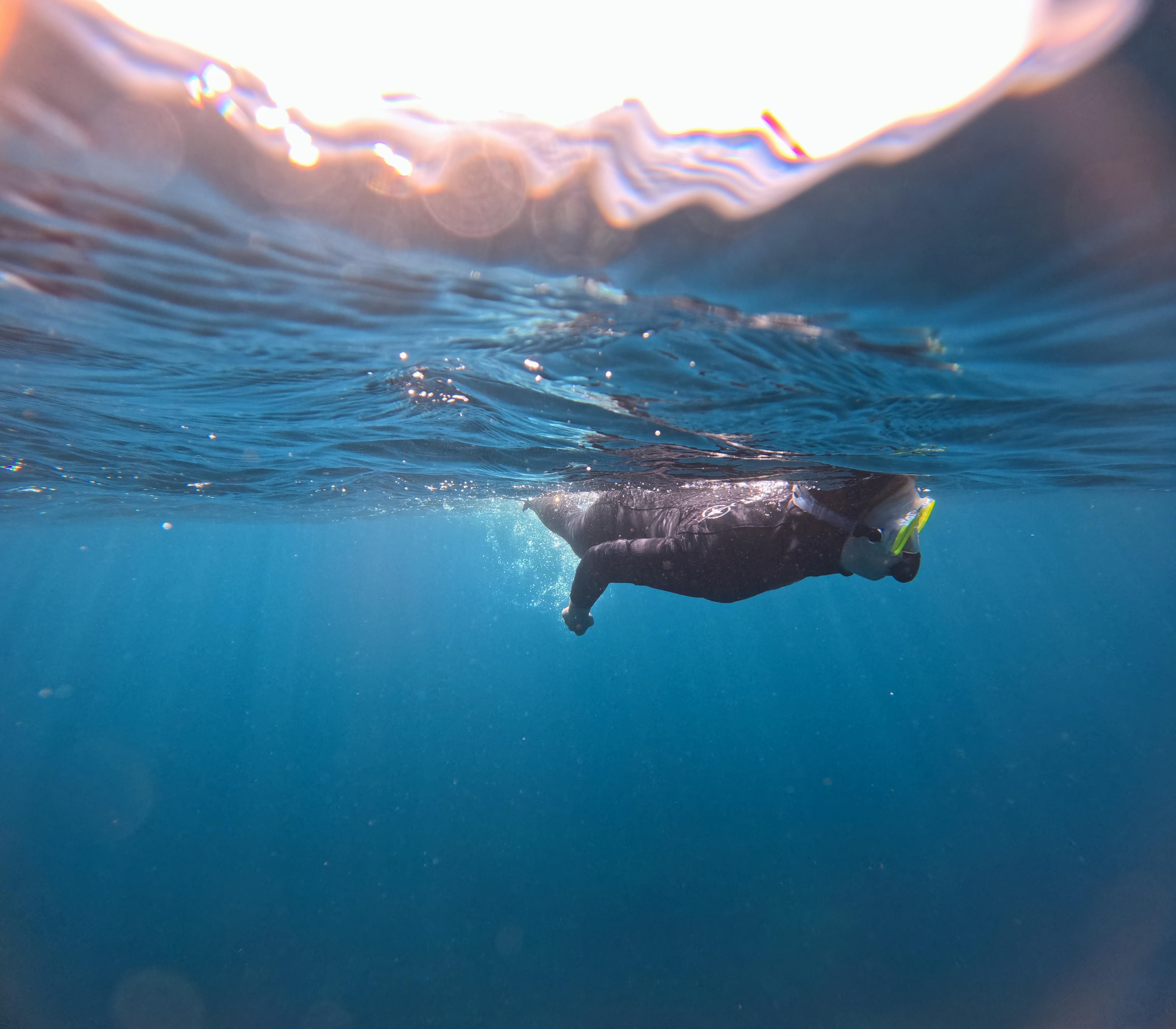
Explore Pico Island's volcanic coast and marine life with a guide, including gear, snacks, and digital photos.
2 days
Free Cancellation
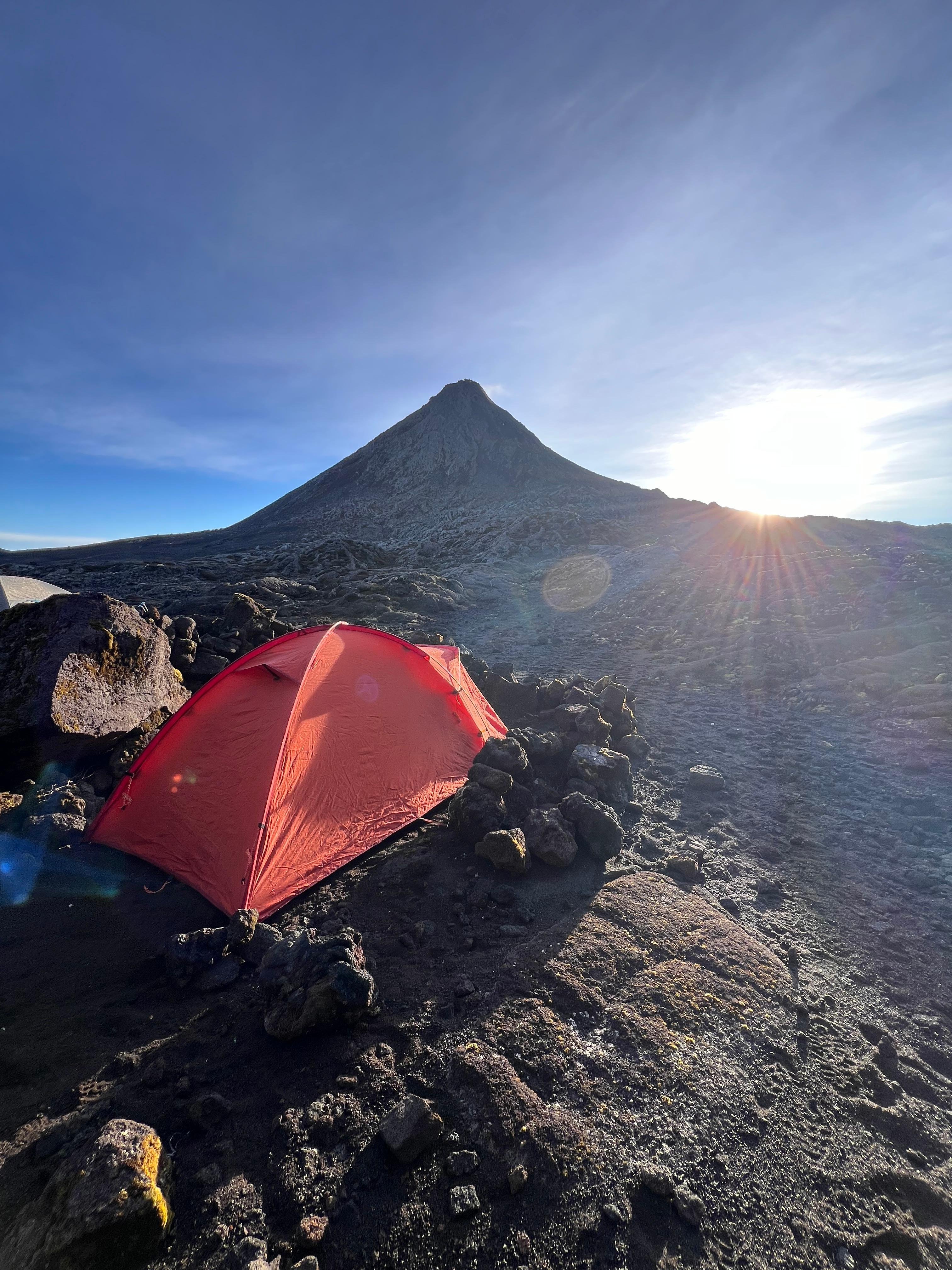
Conquer Portugal's highest peak, camp inside a volcanic crater, and witness spectacular sunset and sunrise views.
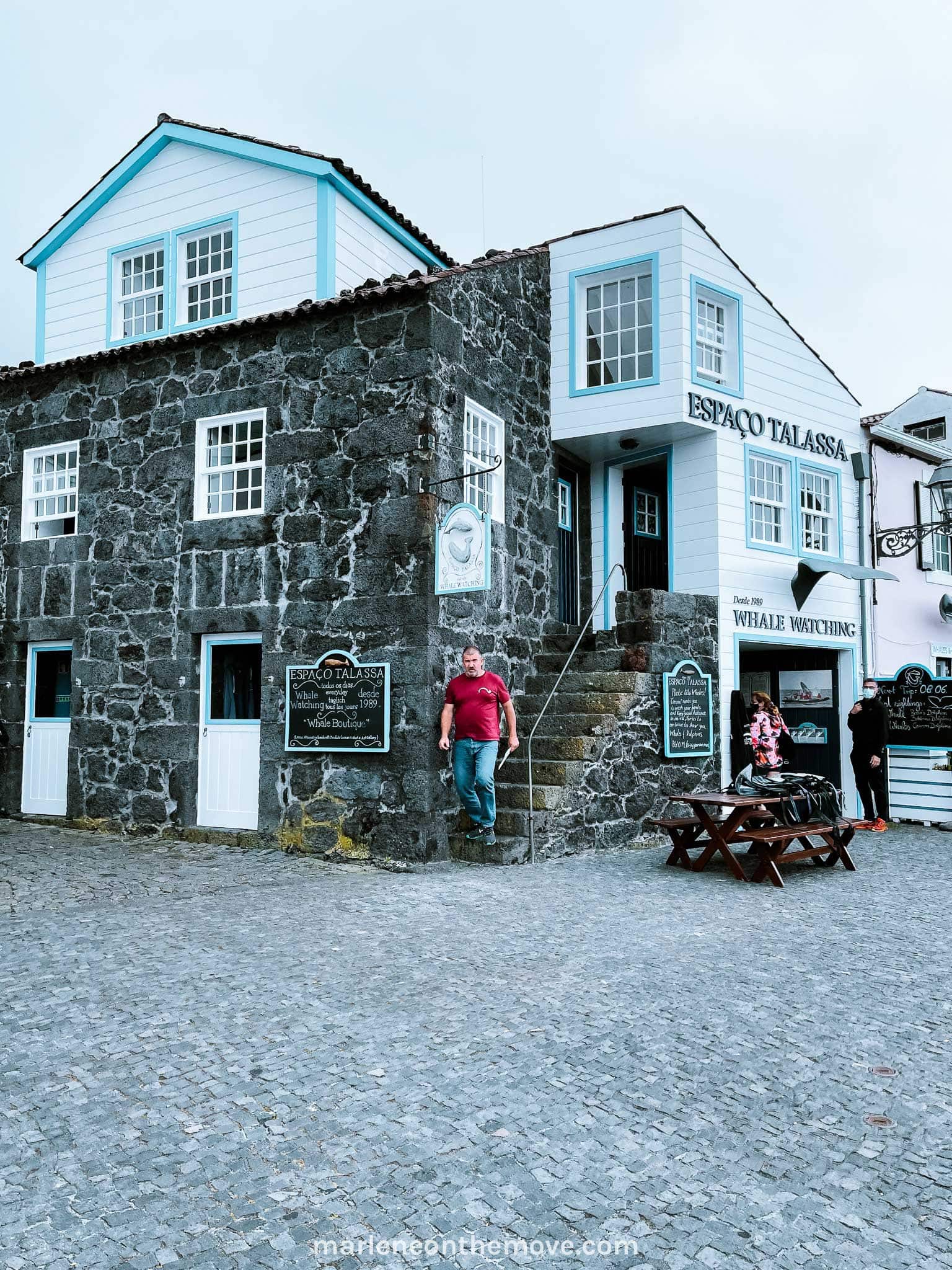
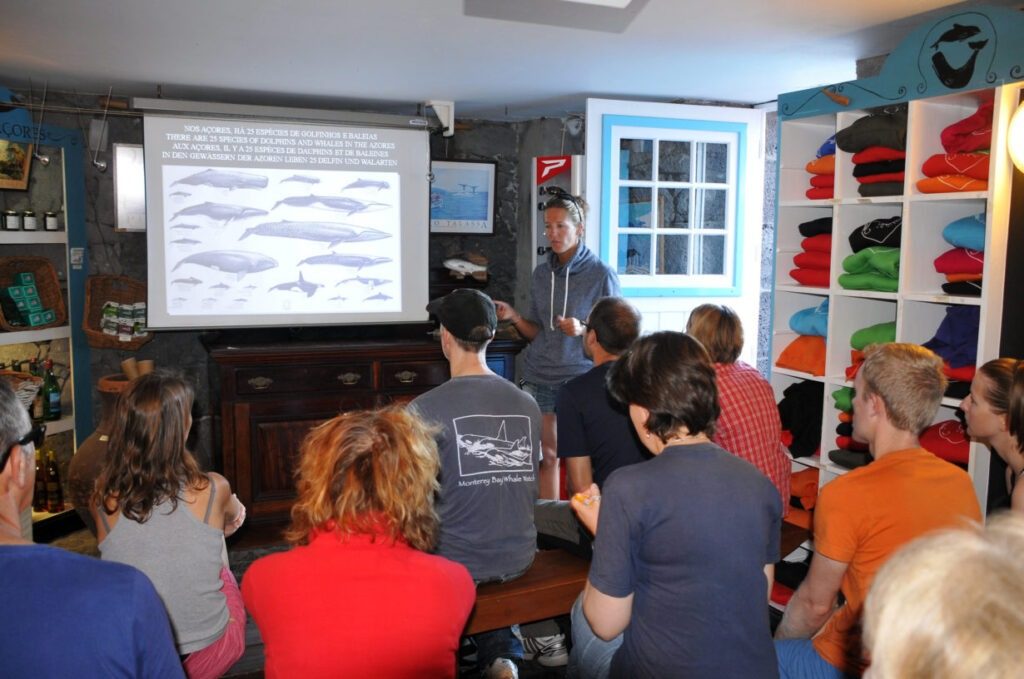
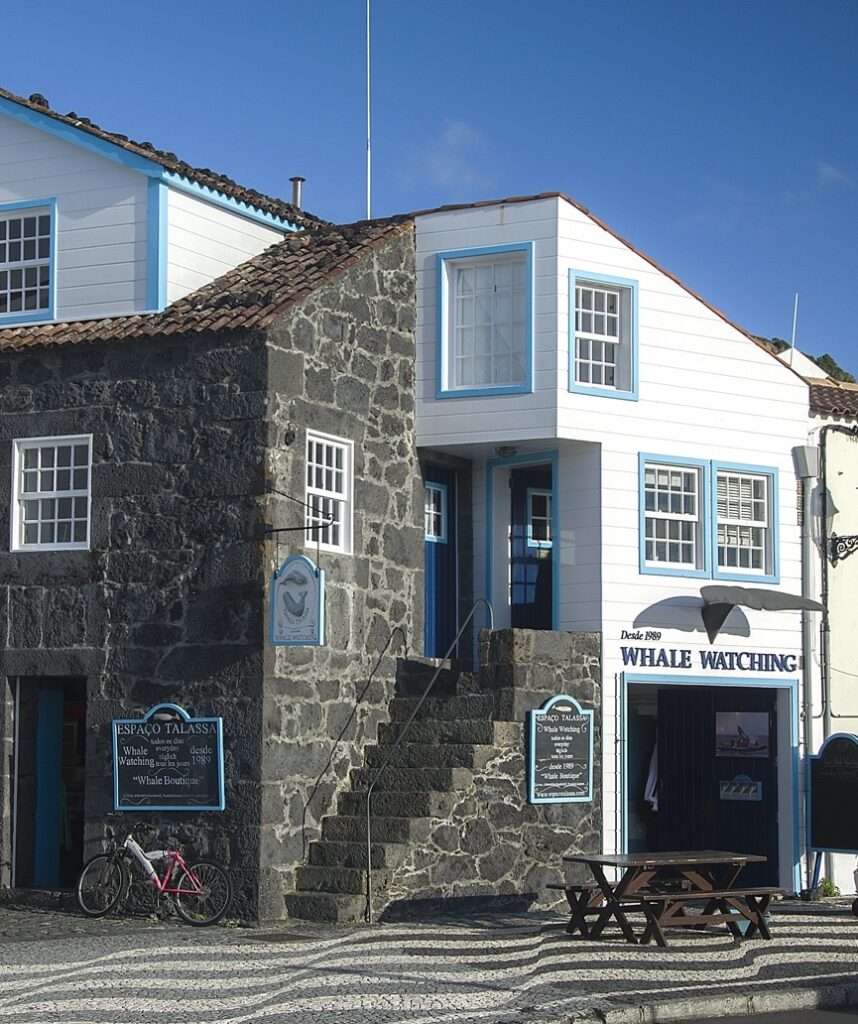
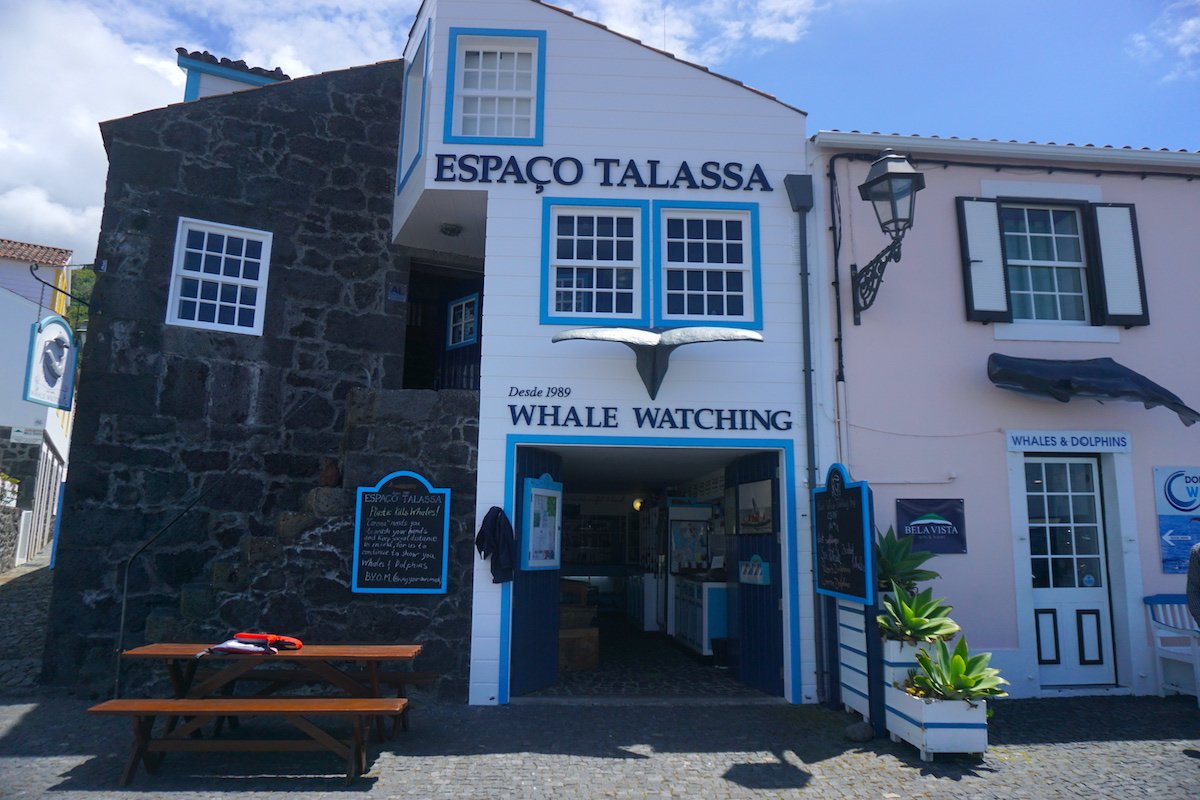
Arrive at the office on Rua do Saco to meet your marine biologists and receive your life jacket. Learn about the local whale species and safety guidelines during the pre-departure briefing.
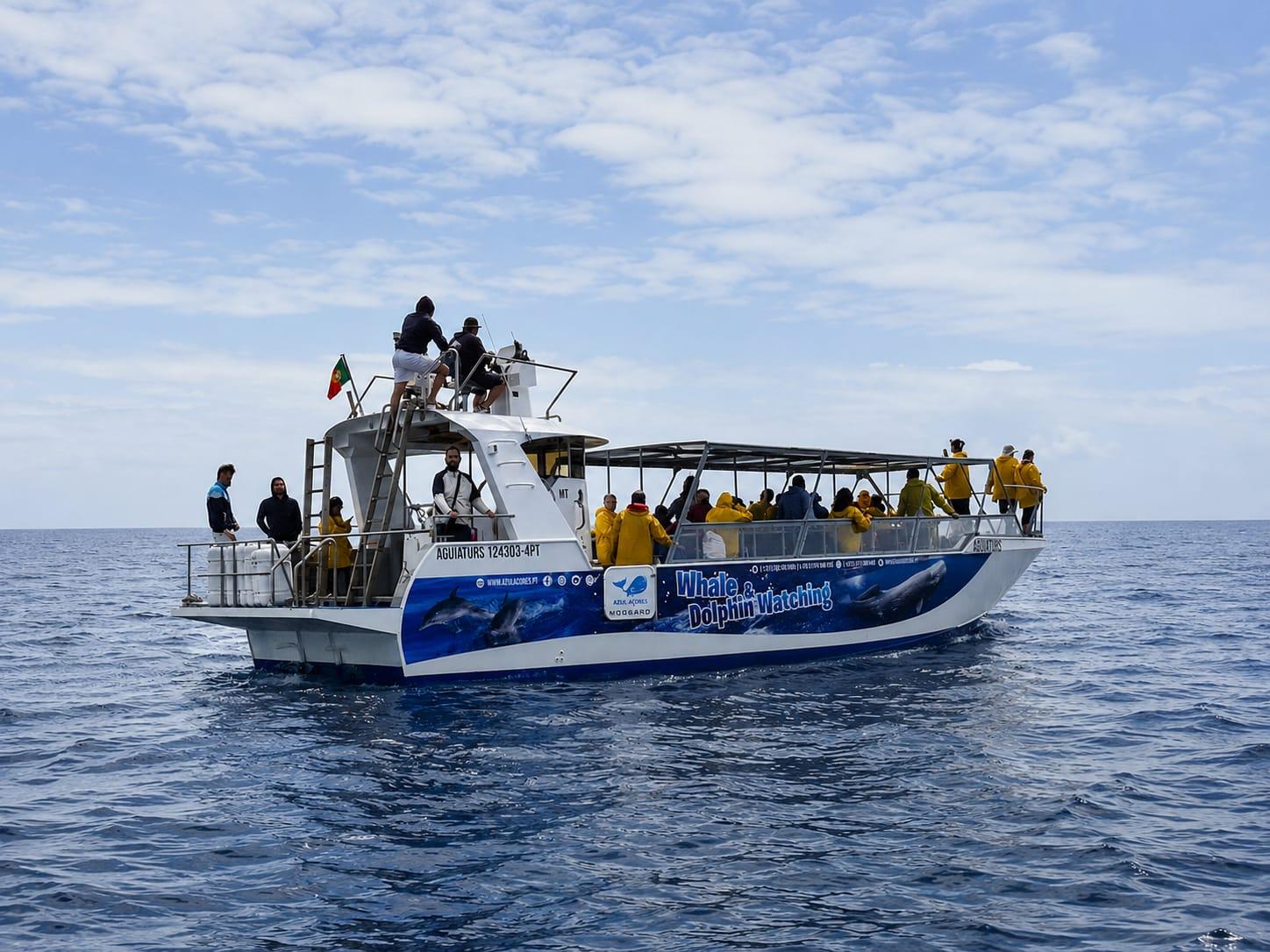
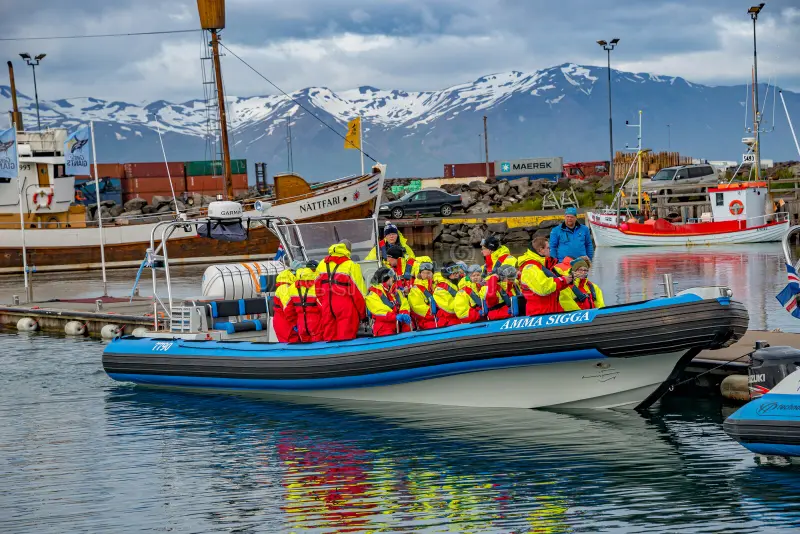
Walk to the nearby harbor and board the specialized zodiac boats designed for marine wildlife observation. The crew will assist you in securing your gear before departing.
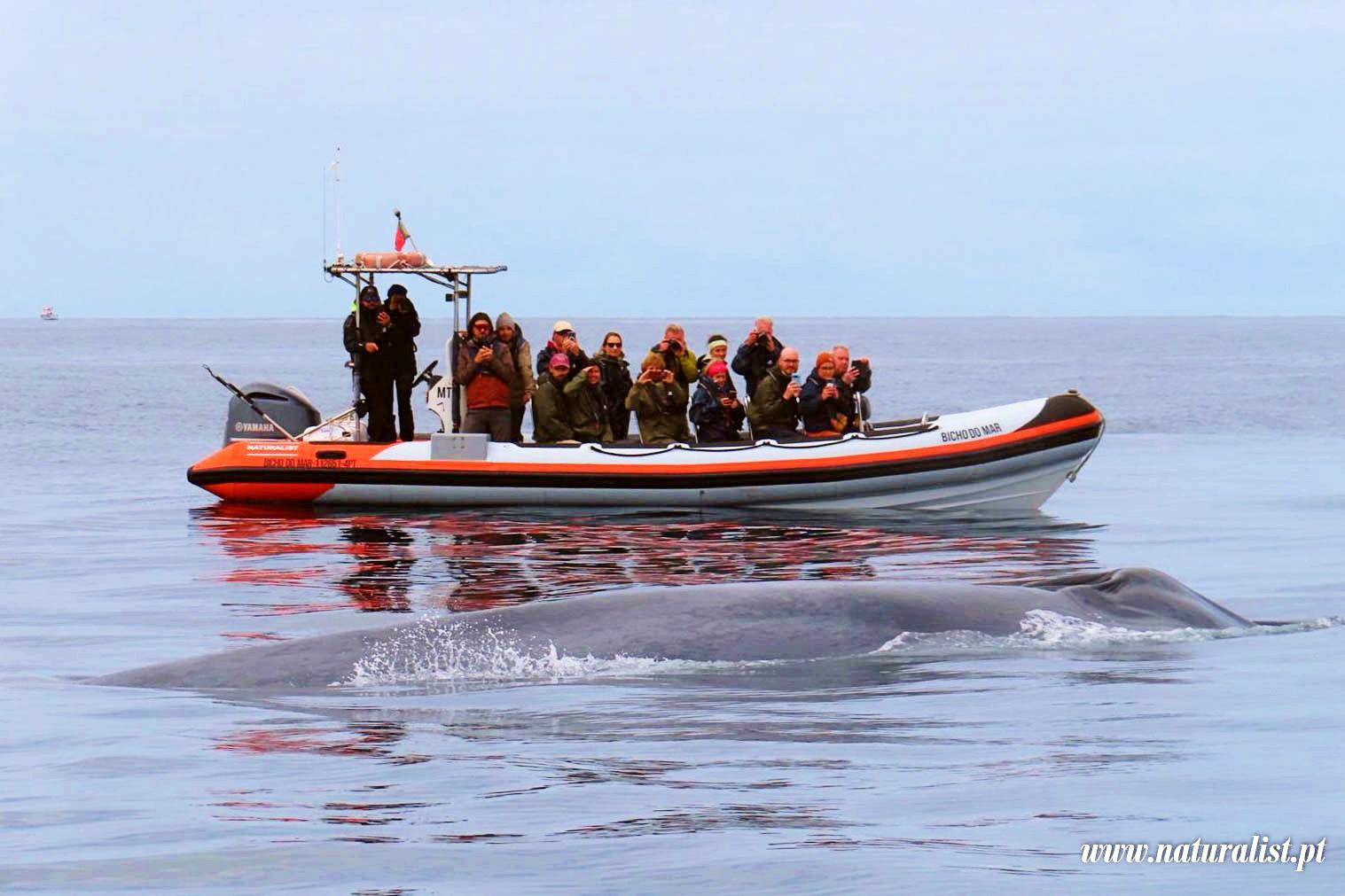
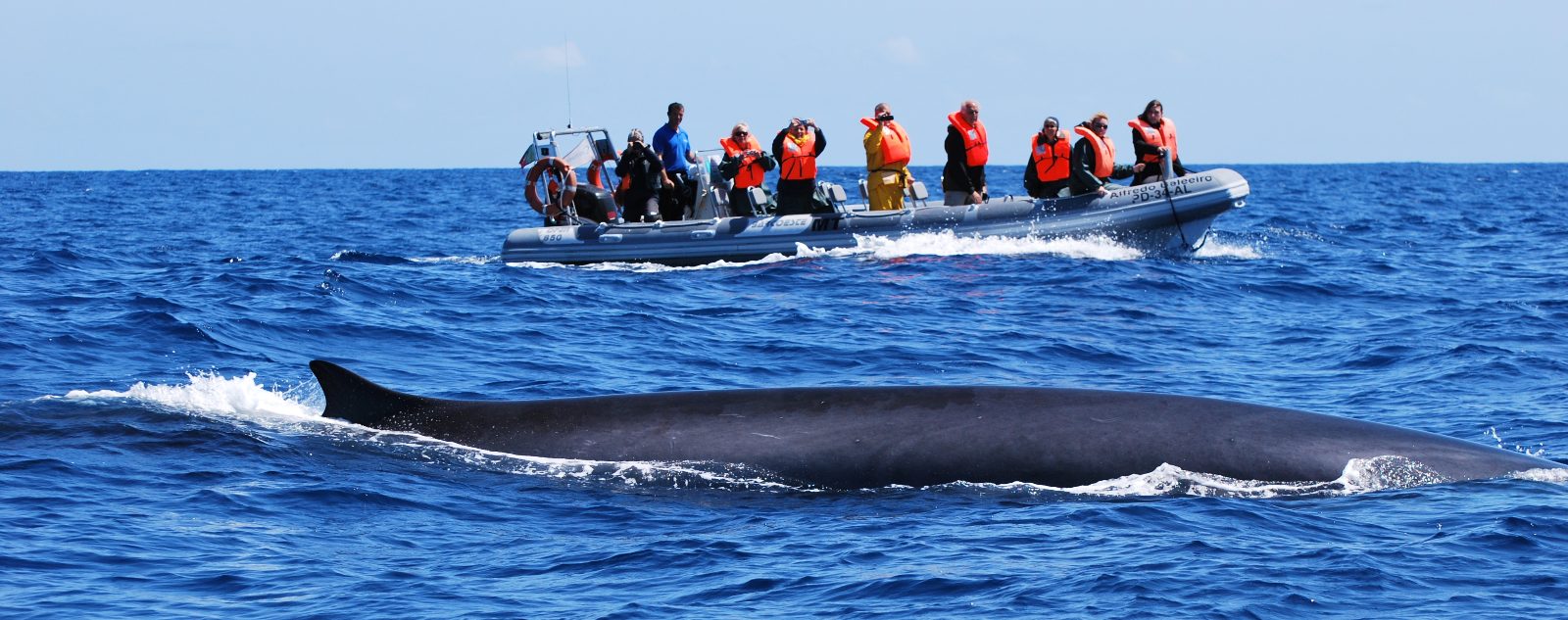
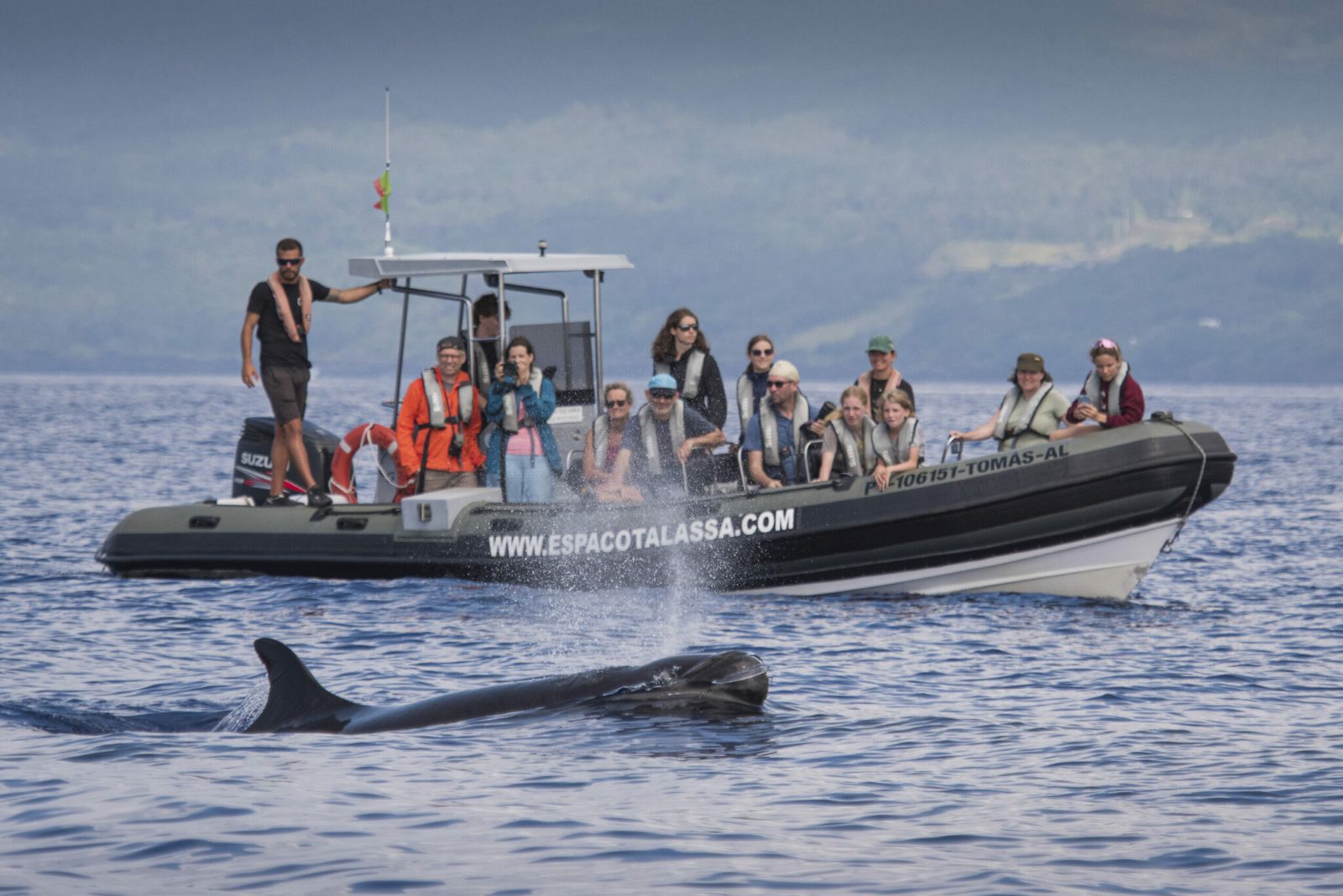
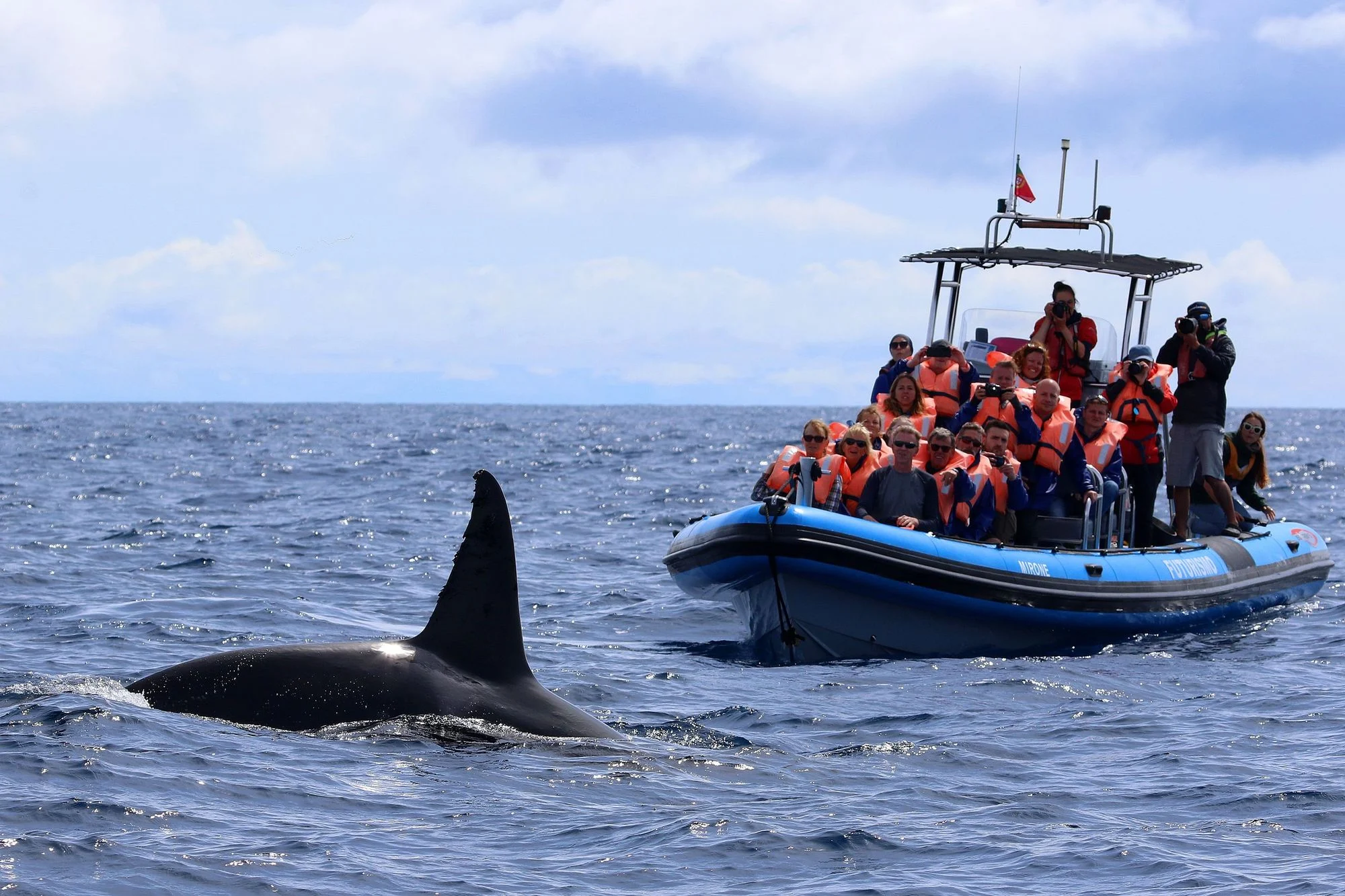
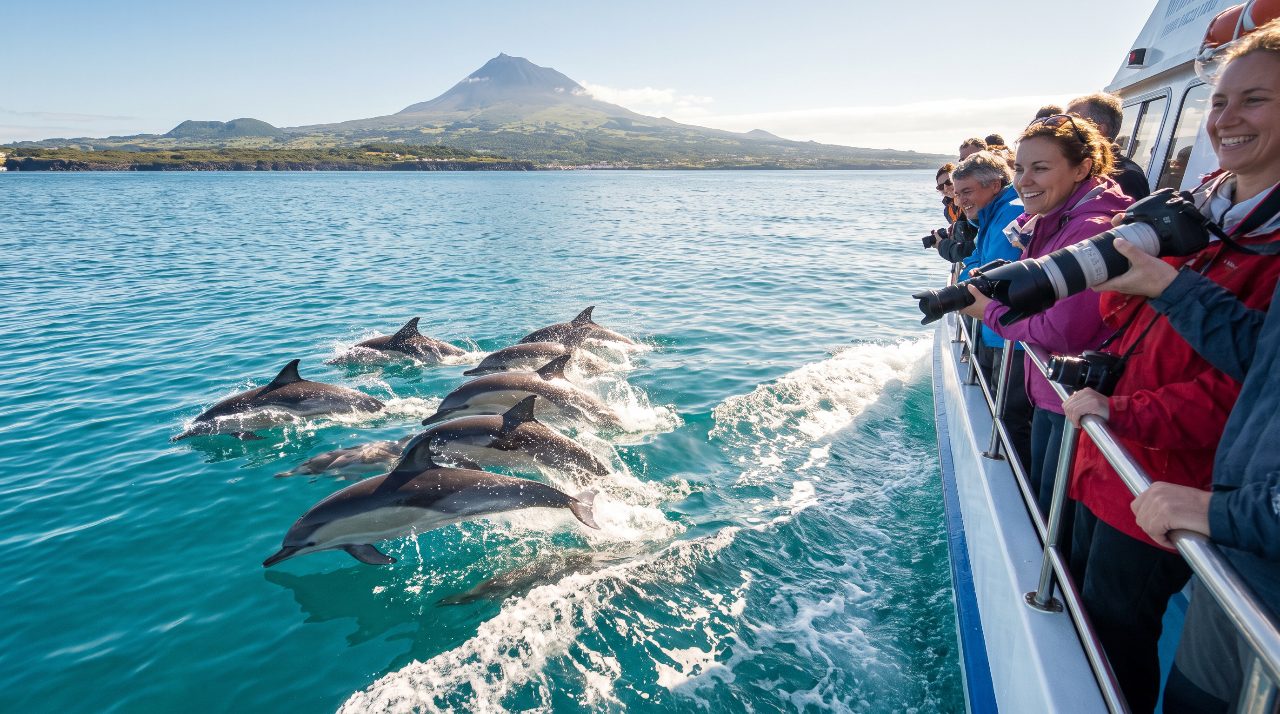
Embark on your Pico Island whale watching tours experience across the Atlantic Ocean, guided by land-based lookouts to locate sperm whales. Enjoy close encounters with multiple dolphin species along the way.
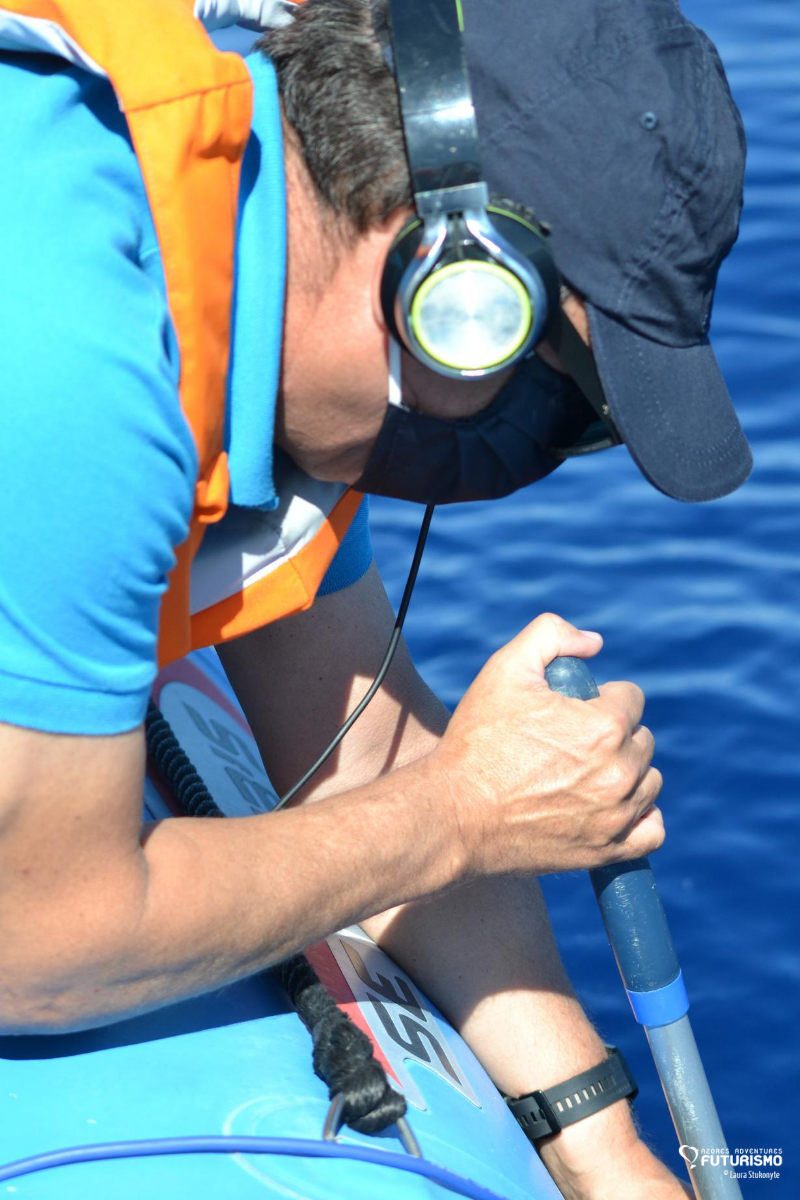
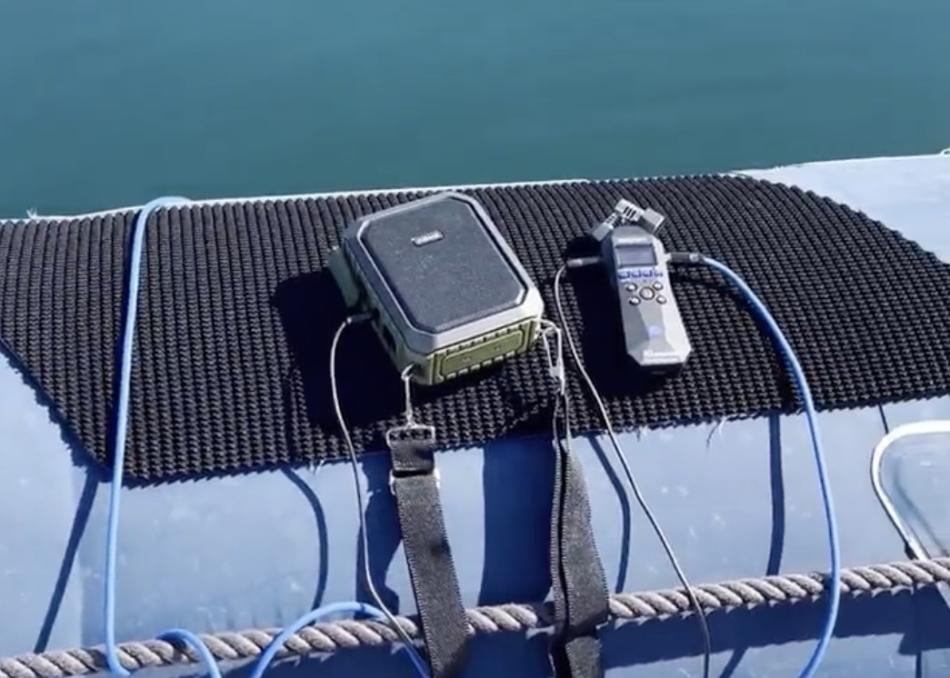
Listen to underwater vocalizations of marine life using a specialized hydrophone lowered into the water. The marine biologists will explain the acoustic communication patterns of the whales.
Head back to the harbor while observing the scenic coastline of Pico Island and the silhouette of Mount Pico. Return your safety gear at the office and enjoy a hot beverage.
Known as B.O.C.A., this facility serves as the operational headquarters where marine biologists compile sightings data dating back to 1989. Visitors gather here for pre-tour educational sessions and to review the local species catalogue.
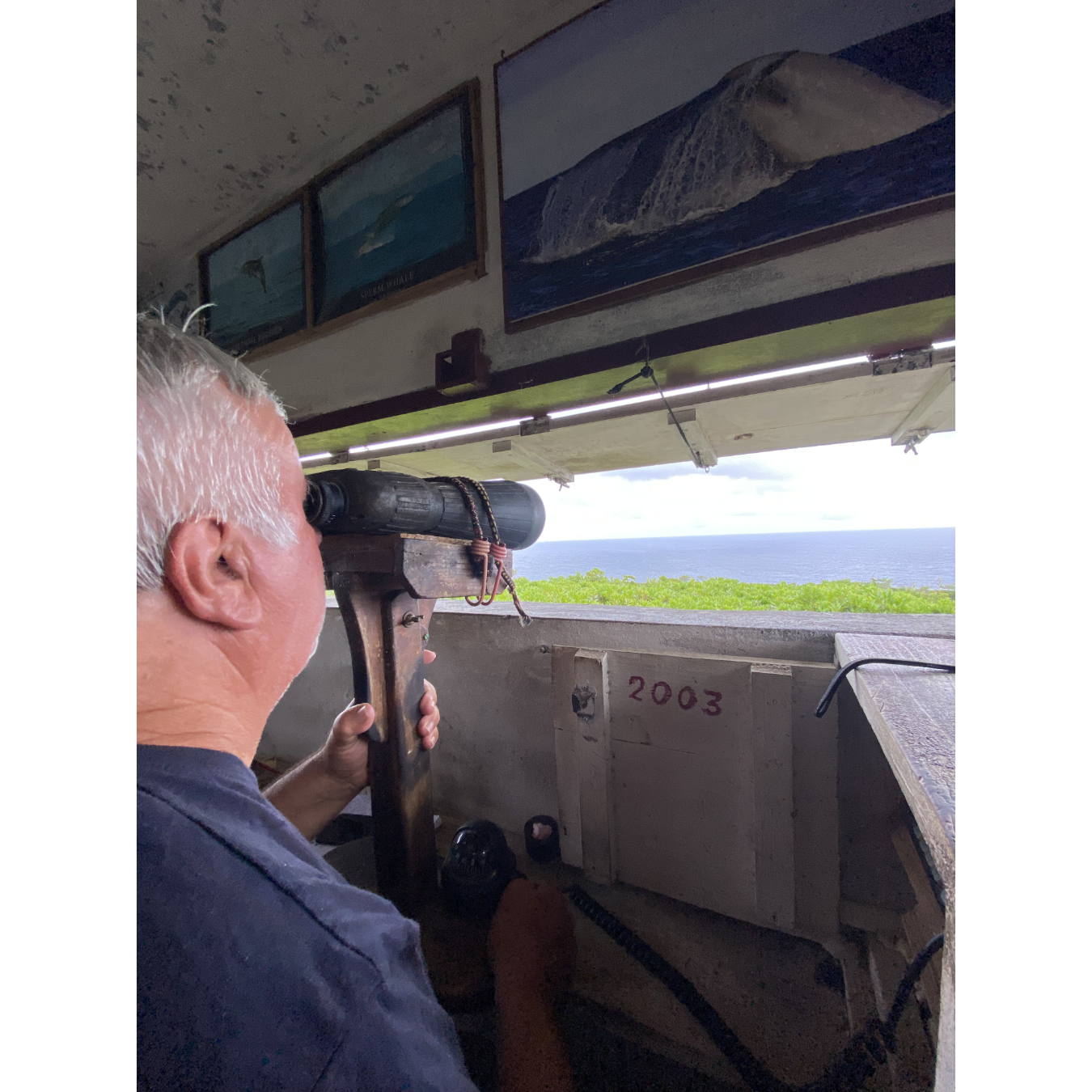
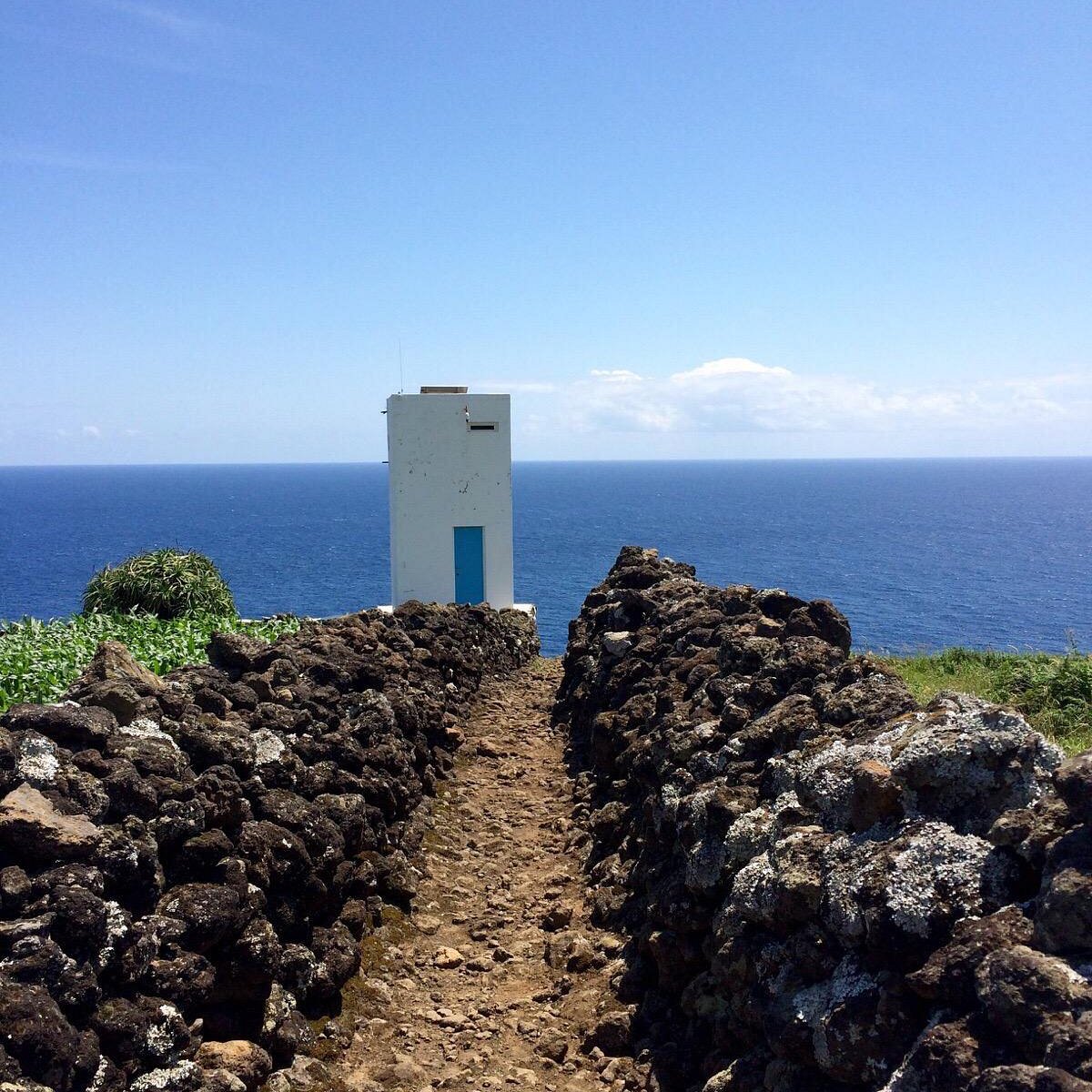
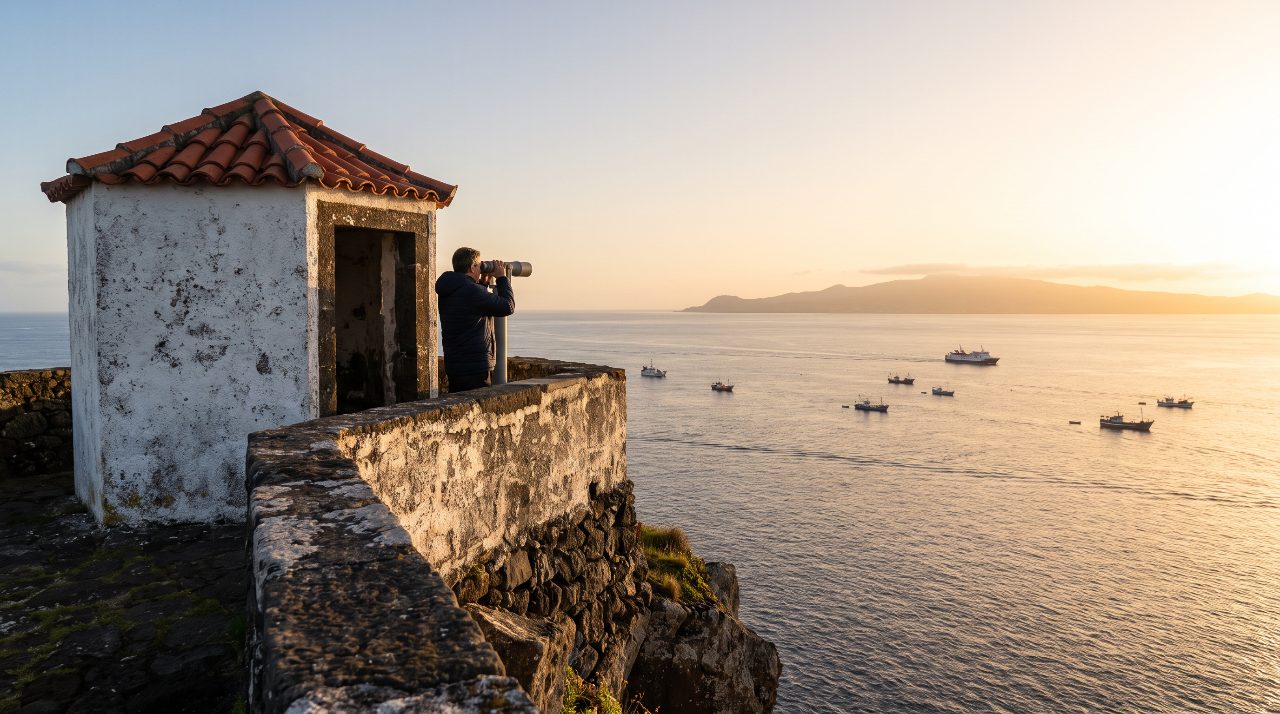
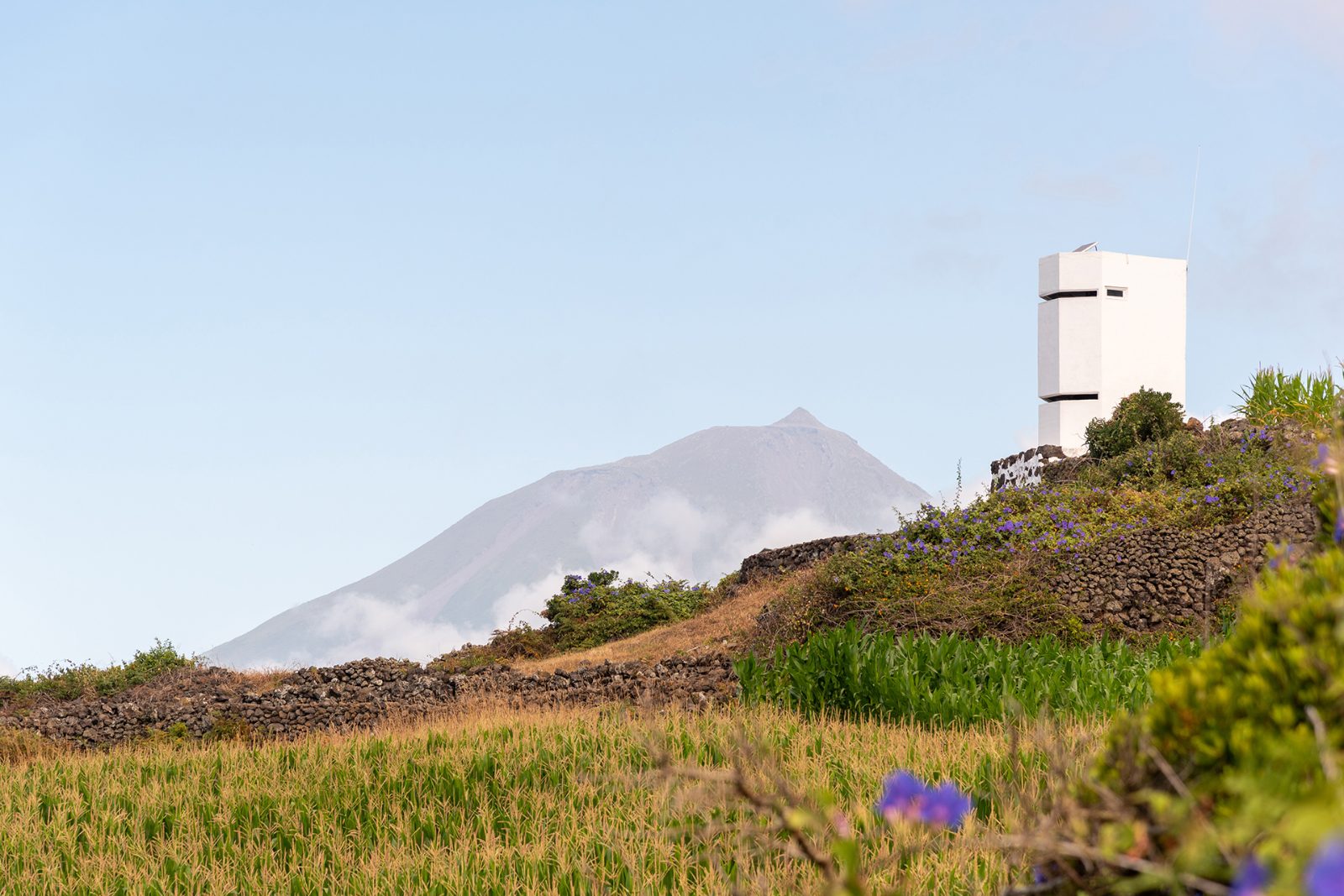
This historical clifftop lookout tower is situated 1.6 kilometers from the main base. Land-based spotters use high-powered binoculars to locate cetaceans up to 30 kilometers off the coast, communicating coordinates directly to the boats.
Located inside the headquarters, this multimedia space is where guests receive a 30-minute introductory session on marine ecology, whale behavior, and safety guidelines. The room displays detailed skeletal replicas and historical conservation timelines.
This onboard acoustic listening station is deployed from the rigid inflatable boats during the tour. It amplifies the underwater clicking sounds of hunting sperm whales, allowing passengers to listen to vocalizations in real time.
Situated at the entrance of the office on Rua do Saco, this specialized library contains over 200 titles on cetology and marine history. The adjoining shop sells eco-friendly merchandise, supporting local reforestation projects.
You reach the quay on Rua do Saco between 08:30 and 14:00, the window that matches morning and afternoon boat departures when seas are typically calmer.
The office opens at 08:30 and stays open until 20:00, so there is no rush to a barrier — nothing charges you to walk in, since the entrance fee is 0 EUR and only the operator's own trip is priced. You sign a manifest. Someone hands you a flotation jacket and a windproof shell, and you pull both on over whatever you thought would be warm enough.
The briefing lasts ten minutes. You learn the hand signals, where to hold when the hull slams, and why nobody moves to one rail at once. Then the RIB clears the breakwater and Ponta do Pico swings into view behind you, all 2,351 metres of it.
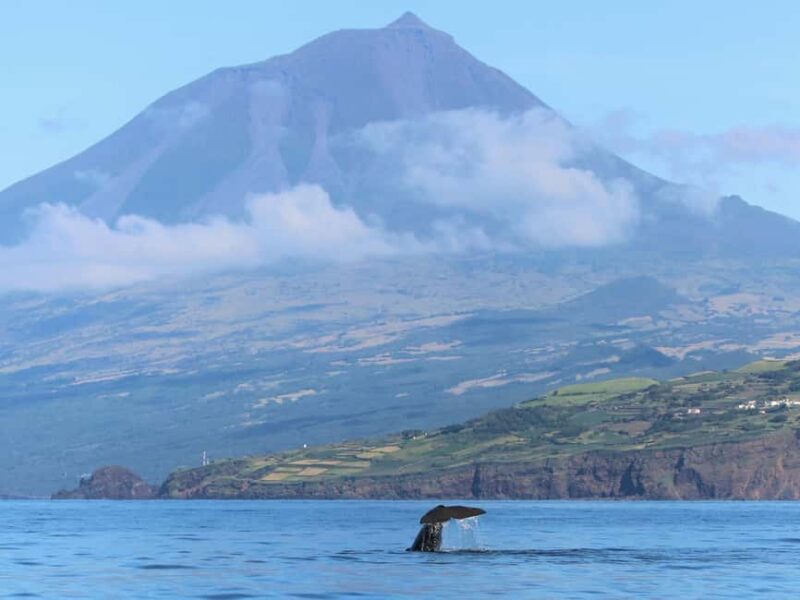
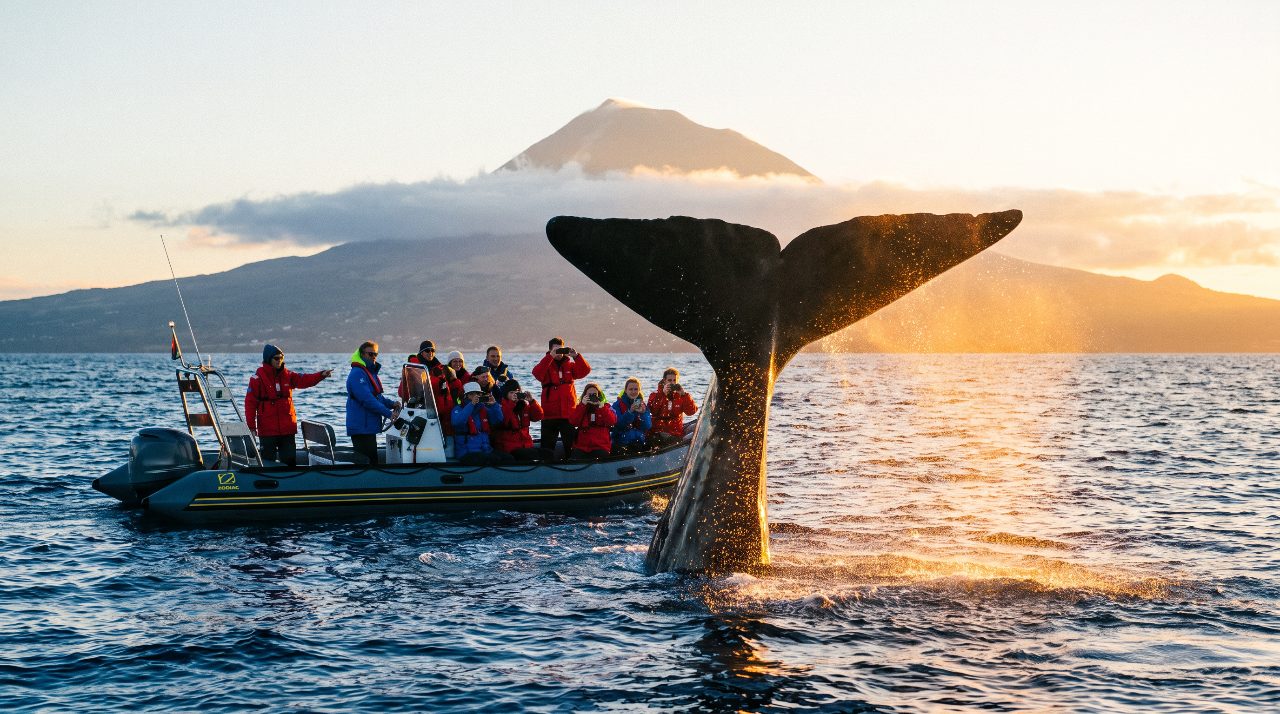
The radio crackles about twenty minutes out. A vigia has a bearing. You run to it, the skipper throttles down, and you wait in a silence broken only by water on fibreglass. A blow goes up — angled forward and left, which means sperm whale. You count the surfacing sequence. On the last breath the back arches, the flukes rise clear and streaming, and the animal is gone for forty minutes. A hydrophone goes over the side. You hear the clicks. Most pico island whale watching tour returns run three hours, dock, and leave you blinking on stone.
All the details about your upcoming adventure in one place
Pico island whale watching tours set out from Madalena into the deep Atlantic channel between Pico and Faial, where trained lookouts on shore, the vigias, guide skippers toward sperm whales, blue whales, and playful dolphin pods. Marine biologists on board narrate each sighting, so your Pico Island cetacean boat trip doubles as a hands-on lesson in Azores ocean life. Booking pico island whale watching tours tickets in advance secures a seat on the smaller RIB and catamaran departures that fill quickly during peak sighting windows.
The men who once hunted sperm whales from Lajes do Pico now find them for a living. Their lookout huts — the vigias, squat concrete boxes bolted to the cliffs above the village — still stand, and the same 25-power binoculars still sweep the same water. Only the radio message changed.
Where a spotter once called in a kill, he now calls a bearing to a boat carrying passengers on pico island whale watching tours.
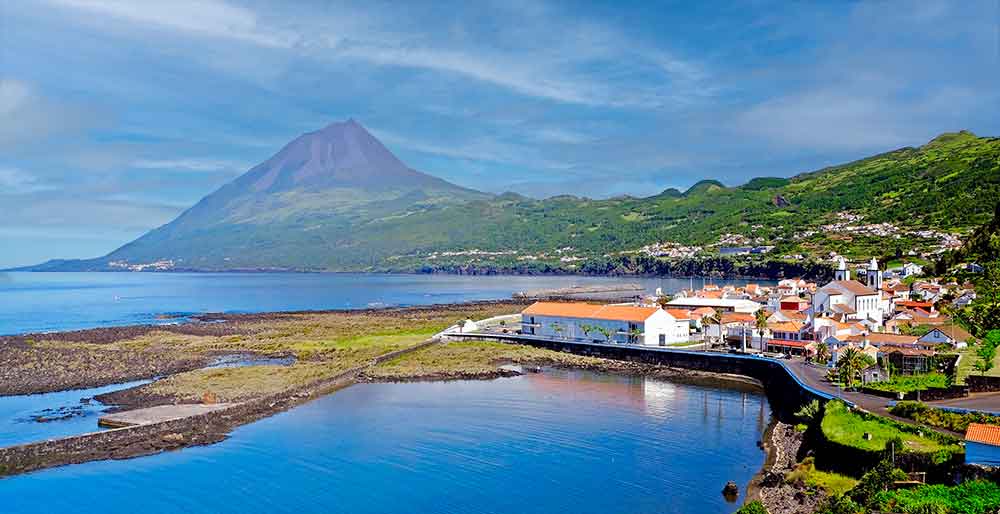
Commercial whaling ended in the Azores in 1984; within a decade the vigia network had been repurposed for observation, and Lajes do Pico became the archipelago's centre for it. The village sits on a low lava shelf on the island's south coast, at Rua do Saco, 9930-141 Lajes do Pico, Azores, Portugal, where the seabed drops to more than 1,000 metres within a few nautical miles of the breakwater. That bathymetry is the entire reason the industry exists here. Deep-diving squid hunters do not need to be sought far offshore. They are already there.
What makes pico azores whale watching unusual is the resident population. Sperm whales — cachalotes — are present year-round, with females and calves forming stable social units in these waters. Migratory rorquals pass through in spring: blue whales, fin whales and sei whales moving north along the mid-Atlantic ridge. Common, bottlenose, Risso's and spotted dolphins appear in most months, and loggerhead turtles surface in the summer slicks. Roughly two dozen cetacean species have been logged off Pico, a third of all species known worldwide.
The operational grammar of pico island azores whale watching is worth understanding. Boats do not search blind. They wait for a bearing from the shore lookouts, then run to a coordinate. Skippers hold at a distance and cut engines, and hydrophones are frequently dropped so passengers can hear the metronomic clicking a sperm whale uses to echolocate at depth. A dive lasts around forty minutes; the fluke-up before it is the signal that the animal is gone.
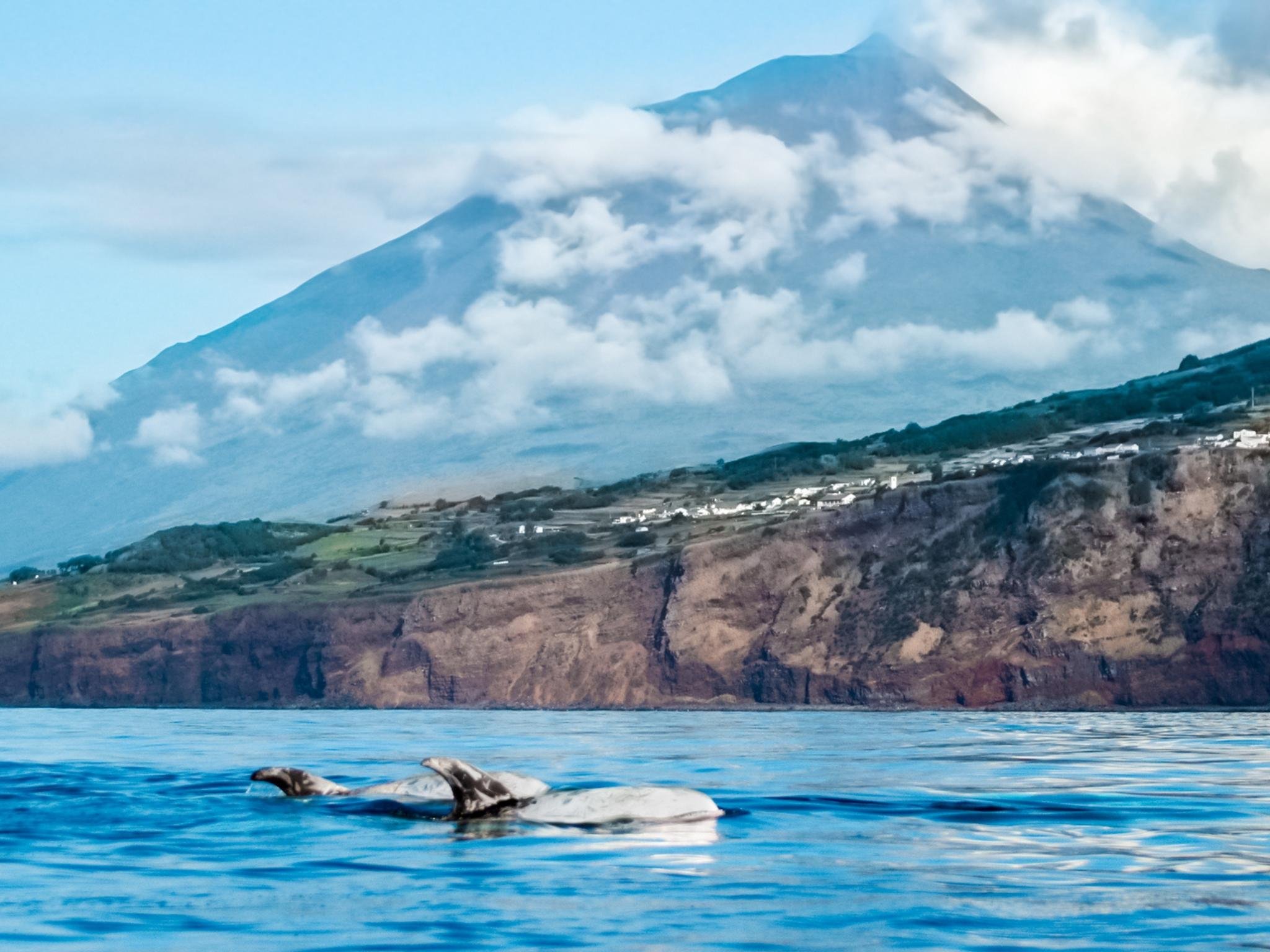
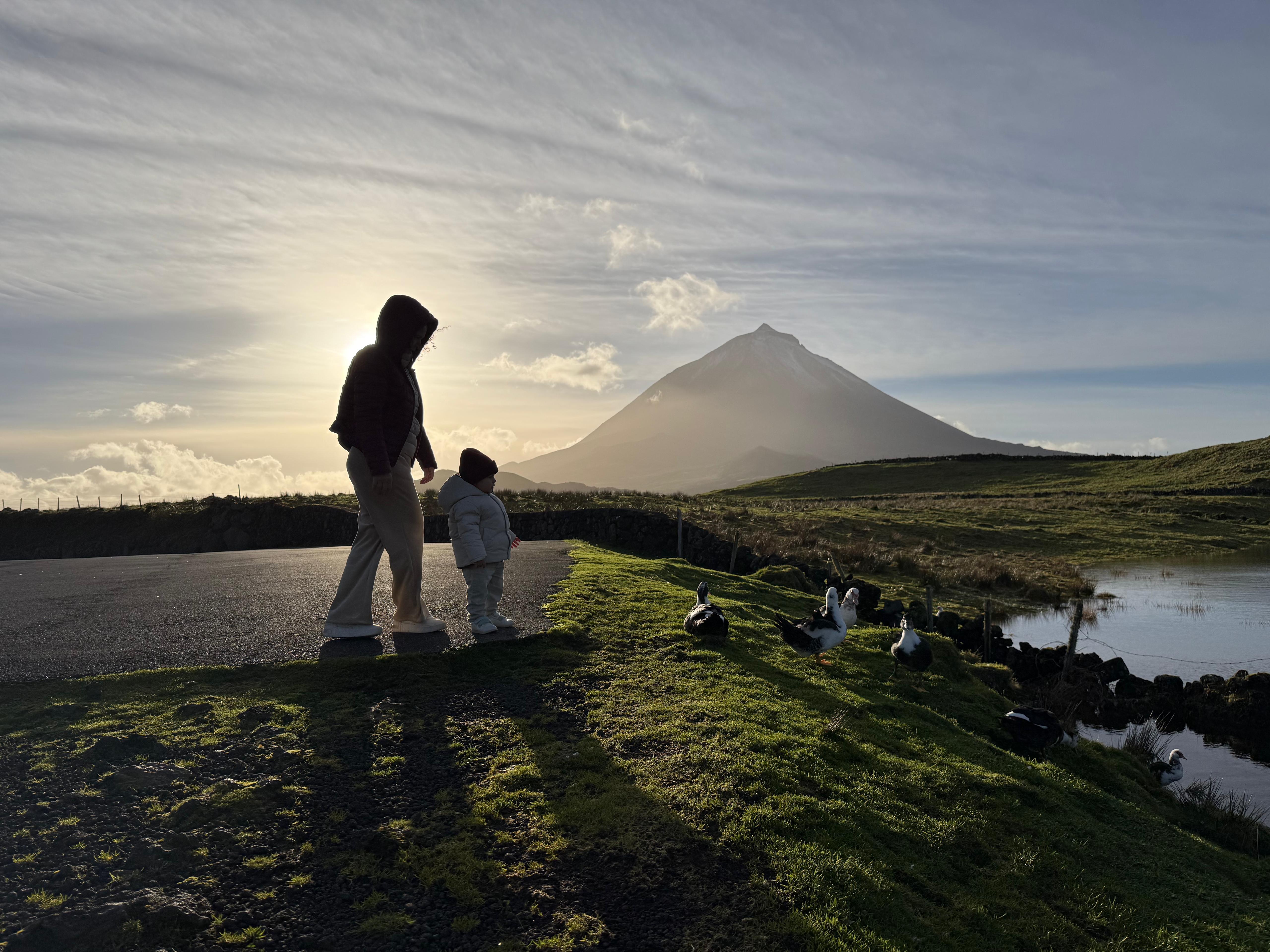
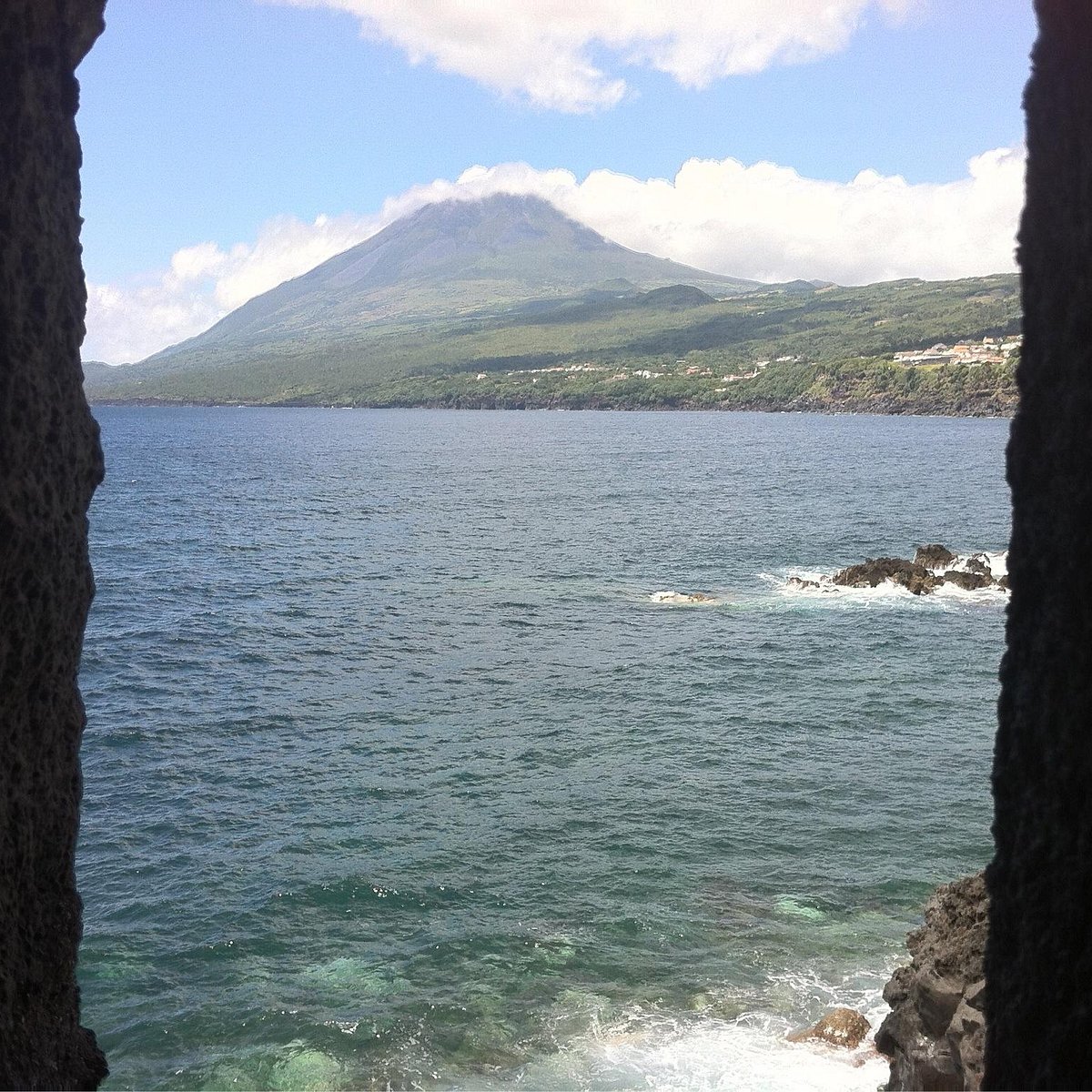
Above all this stands Ponta do Pico, 2,351 metres of stratovolcano, Portugal's highest point, visible from the harbour on clear mornings and often wearing its own weather. Departures leave from a working port that charges nothing to enter — the entrance fee is 0 EUR, with no fee to enter harbor or office; tour prices vary by operator. The office and quay open 08:30–20:00 daily, and pico island whale watching tours tours remain, for most visitors, the reason to cross to this island at all.

The men who once hunted sperm whales from Lajes do Pico now find them for a living.
Dress in warm, windproof layers since sea temperatures are cool even in summer. Wear closed-toe shoes with non-slip rubber soles to maintain stability on the moving boat.
Only bring essential items in a compact, waterproof dry bag. Heavy luggage cannot be accommodated on the zodiac boats due to safety regulations and limited deck space.
Secure cameras and smartphones with wrist straps or neck cords to prevent them from falling overboard. Waterproof casings or protective plastic bags are highly recommended to shield equipment from saltwater spray.
Children under the age of four are generally not permitted on the rigid inflatable boats for safety reasons. Life jackets are provided and must be worn by all children during the duration of the excursion.
The vessels utilized for Pico Island whale watching tours are generally not wheelchair accessible due to the low-profile boarding design. Visitors with limited mobility should contact the office on Rua do Saco beforehand to arrange suitable boarding assistance.
Passengers may bring small plastic water bottles and light snacks like energy bars on the boat. Eating hot meals or drinking alcohol is strictly prohibited during the voyage.
Regular morning briefing starts early.
Mid-day operations proceed normally.
Standard operating hours.
Regular afternoon schedule.
Standard operating hours.
Regular weekend schedule.
Standard operating hours.
Opening Hours
08:30–20:00
Address
Rua do Saco, 9930-141 Lajes do Pico, Azores, Portugal
Best Arrival Window
08:30–14:00
Phone
+351 292 672 010
Entrance Fee
0 EUR (No fee to enter harbor or office; tour prices vary by operator.)
Car · 35 mins · €10–€15 fuel cost
Drive along the EN1 southern highway from Madalena directly to Lajes do Pico, following signs for the harbor.
Public transport · 50 mins · €3–€5 ticket
Take the regional bus line operated by Cristiano Limitada from the Madalena terminal, checking schedules beforehand as daily departures are limited.
Taxi · 35 mins · €35–€45 flat rate
Hire a taxi from Pico Airport (PIX) or Madalena ferry terminal directly to the office on Rua do Saco.
Cancellations made by guests at least 48 hours prior to departure are eligible for a full refund of the tour price. The baseline entrance fee to the harbor area remains 0 EUR (No fee to enter harbor or office; tour prices vary by operator.).
Recommended time
3 hours
Embarking on pico island whale watching tours provides an outstanding opportunity to observe resident and migratory cetaceans in their natural habitat, guided by experienced marine biologists. A standard ocean excursion requires approximately three hours, a timeframe that fully covers the mandatory safety briefing, boarding logistics, and active time on the water. To secure your preferred departure time during the busy summer season, it is highly recommended to purchase your pico island whale watching tours tickets online well in advance. Opting for morning departures typically guarantees calmer sea conditions, whereas afternoon trips offer convenient timing despite the potential for slightly stronger ocean breezes.
Crowd levels through the day
Weather · crowds · average price — dots go green to amber to red as each metric rises.
Spring brings migratory baleen whales, including blue and fin whales, passing through the Azorean waters. Temperatures average around 17°C to 20°C, and ocean waters are generally productive. This is the optimal period for spotting the largest marine mammals.
Summer offers the calmest seas and warm weather averaging 24°C, making it the peak season for dolphin sightings and resident sperm whales. Booking Pico Island whale watching tours tours during these months is essential due to high demand from global travelers.
Early autumn features pleasant water temperatures and active marine life, though weather patterns can become less predictable. High winds may occasionally cancel departures, but crowd sizes in Lajes do Pico decrease significantly.
Most operators pause operations during the winter months due to rough seas and frequent storms in the Atlantic. The visitor center and office maintain reduced hours, focusing on research and boat maintenance.
Securing your spots for Pico Island whale watching tours well ahead of your travel date is highly recommended, especially during the busy summer months when boats fill up quickly. Advance reservations ensure you secure your preferred departure slots.
If you are prone to motion sickness, take preventive medication before arriving at the harbor, as the zodiac boats ride the rolling swells of the open Atlantic Ocean. It is best to take it at least one hour before departure.
Keep your electronic devices and spare clothing dry by storing them in a waterproof dry bag to protect them from waves and spray. Dry bags are available for purchase at the local eco-shop if needed.
Pay close attention to the safety briefing and the educational presentations given by the marine biologists to understand the behavior of the dolphins and whales. Their guidance ensures a safe and respectful viewing experience.
The wind out on the ocean can be surprisingly cold, so wearing a windproof jacket over warm layers is essential even on sunny days. You can always remove layers if the weather warms up.
Always check with the office on Rua do Saco before your Pico Island whale watching tours tour, as sea conditions can change rapidly and safety is the operator's main priority. Cancellations due to weather are common and handled promptly.
Rua do Saco, 9930-141 Lajes do Pico, Azores, Portugal
Meet at the main office building next to the Whalers Museum at least 30 minutes before your scheduled departure time.
Get directionsWhaling reached Pico in the mid-19th century, when American vessels recruited islanders to hunt sperm whales. The village of Lajes do Pico became the industry's centre. Men returning from New England ports brought harpooning techniques home. Open boats called canoas gave chase under sail and oar. The crews worked hand-thrown harpoons at close range. Whaling would shape Pico for more than a century. Long before pico island whale watching tours existed, the trade ran on blood and oil. High on the cliffs stood the vigias, land-based lookouts who scanned the Atlantic for distant spouts. Their signals steered the boats below. Shore factories rendered blubber into oil beside the harbours. The catch supplied lamp oil, soap, and lubricants abroad. Portugal outlawed commercial whaling in 1982. The last Azorean sperm whale was taken in 1984, and the harpoons fell silent. Many families lost their only livelihood. In 1989, the French diver Serge Viallelle founded Espaço Talassa in Lajes do Pico. He converted the dormant craft into pico island whale watching tours. Former whalers joined the venture as spotters. Their eyes, once fixed on prey, now guided visitors toward living animals. These early observação de cetáceos excursions reused the vigias and their inherited knowledge. Word of the trips spread among naturalists and travellers. The old skills found a second purpose. That heritage endures. Today the pico island whale watching tours tours carry travellers rather than harpoons. Spotters descended from whaling families read the water as their grandfathers did. A guided pico island whale watching tours tour follows the same headlands the vigias once watched. The former factory buildings now stand as museums. Interest in pico island whale watching tours tickets keeps a maritime memory alive. The transformation preserved a culture rather than erasing it.
American ships bring sperm whale hunting to Pico's waters.
Lajes do Pico grows into the island's whaling hub, guided by cliff-top vigias.
Portugal bans commercial whaling nationwide.
The last sperm whale in the Azores is taken off Pico.
Serge Viallelle founds Espaço Talassa and launches whale watching from Lajes do Pico.
Descendants of former whalers work as spotters for visiting boats.
The two-story historic lookout sits on the cliffs about one kilometer from Lajes do Pico. It is an ideal spot to photograph the ocean before purchasing your pico island whale watching tours tickets. Capture expansive coastal vistas and the spotters searching for marine life with giant binoculars.
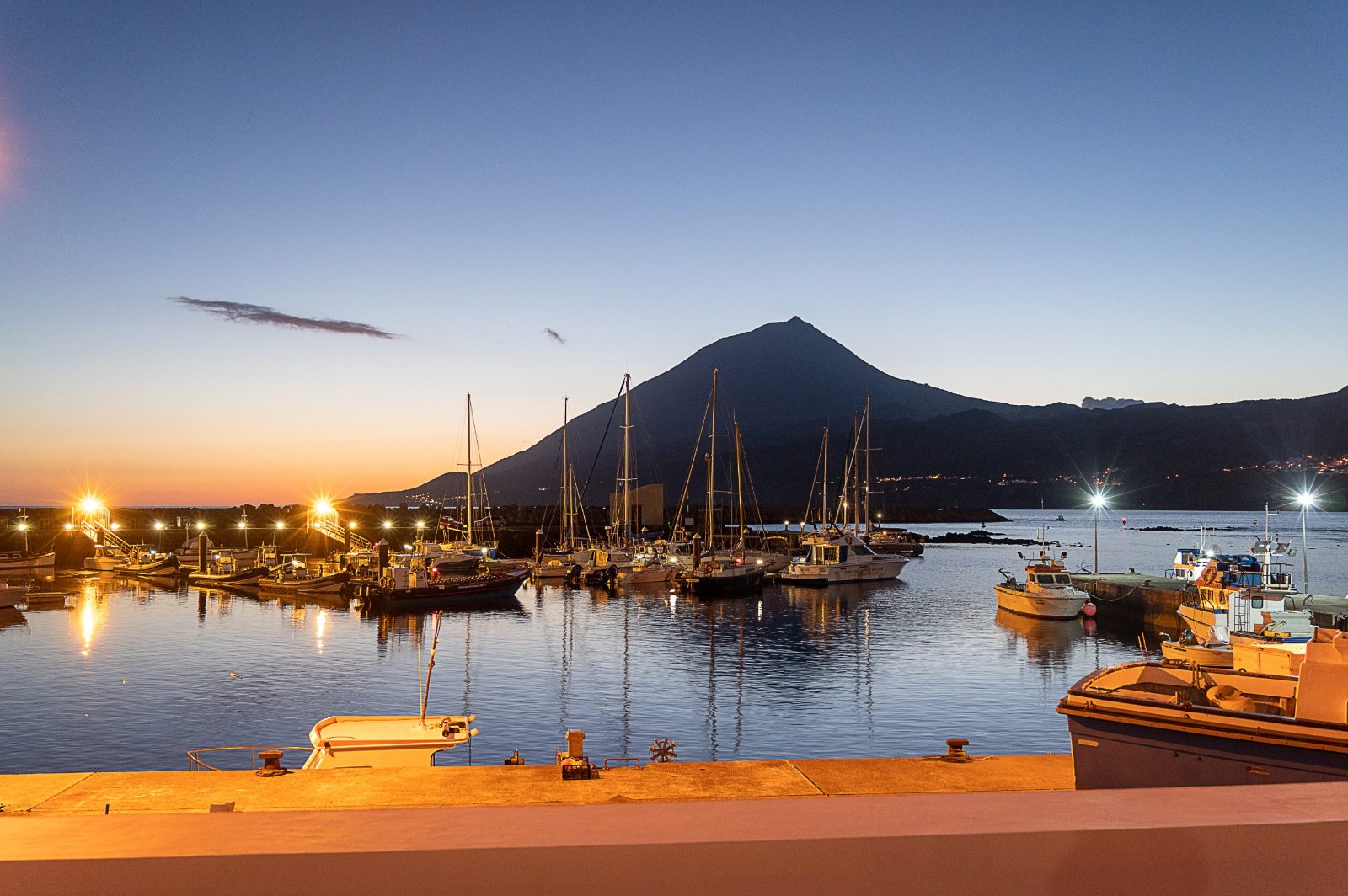
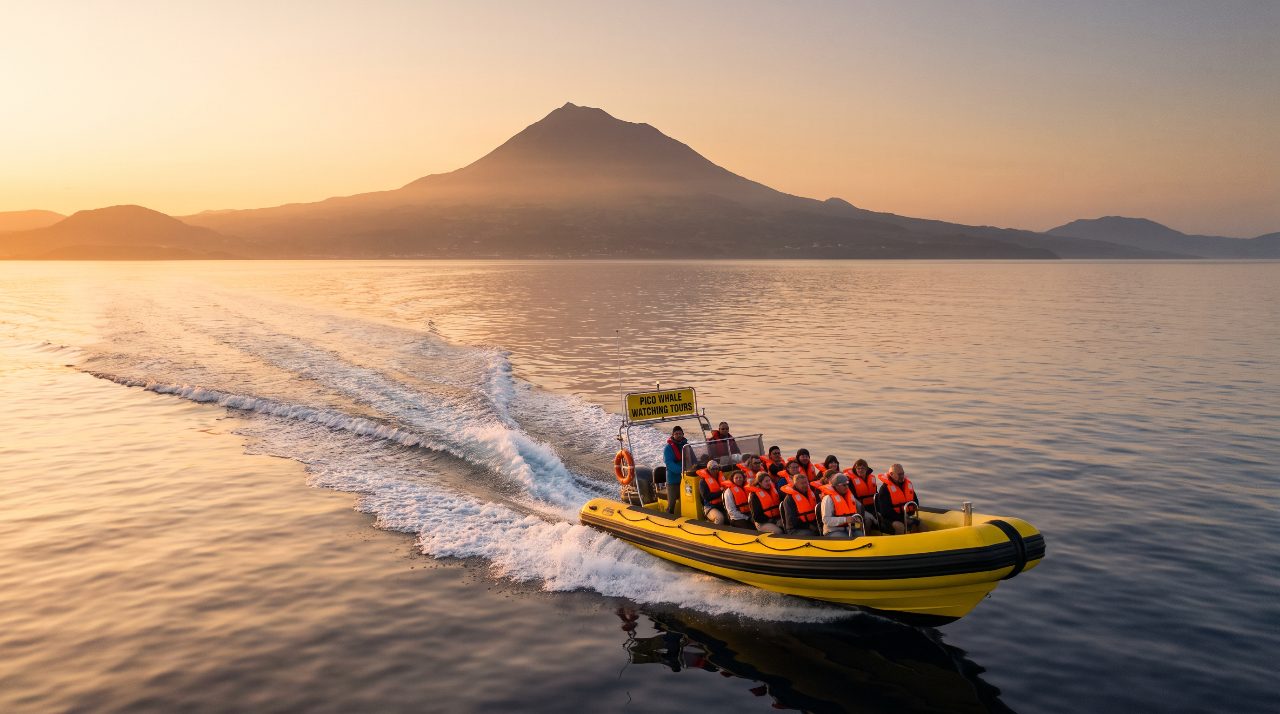
Stand on the edge of the harbor to photograph the yellow zodiac boats before they depart for pico island whale watching tours. The calm harbor water reflects the nearby traditional stone buildings and whalers' heritage houses.
Shoot from the water during your pico island whale watching tours tour. Point your lens toward the coast to capture whale flukes and blows with the rising silhouette of Mount Pico behind the waves.
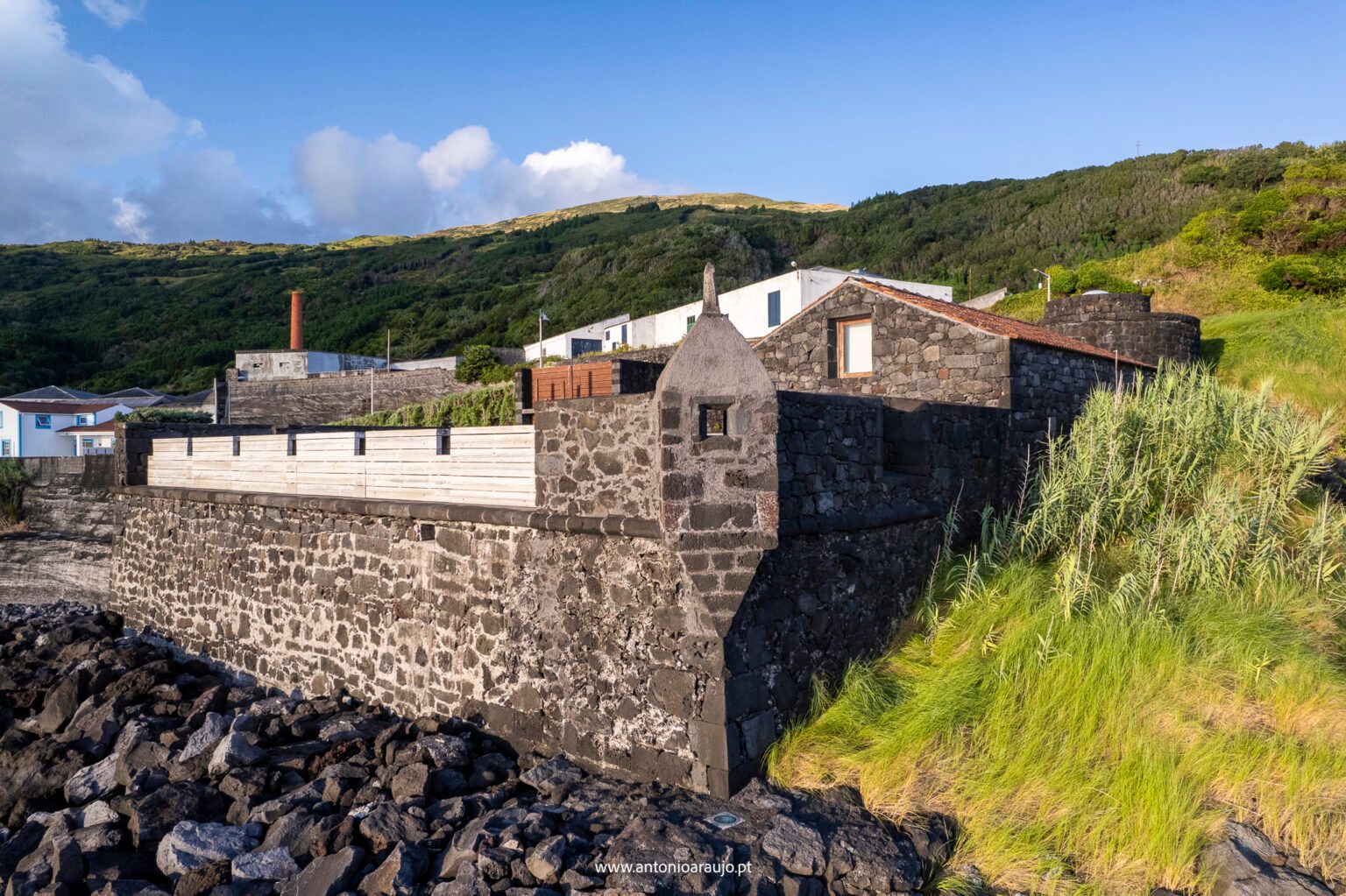
This 18th-century stone fortress features ramparts that overlook the harbor and the open ocean. It is an excellent spot to capture boats returning from their various pico island whale watching tours tours with the volcanic peak towering above the scene.
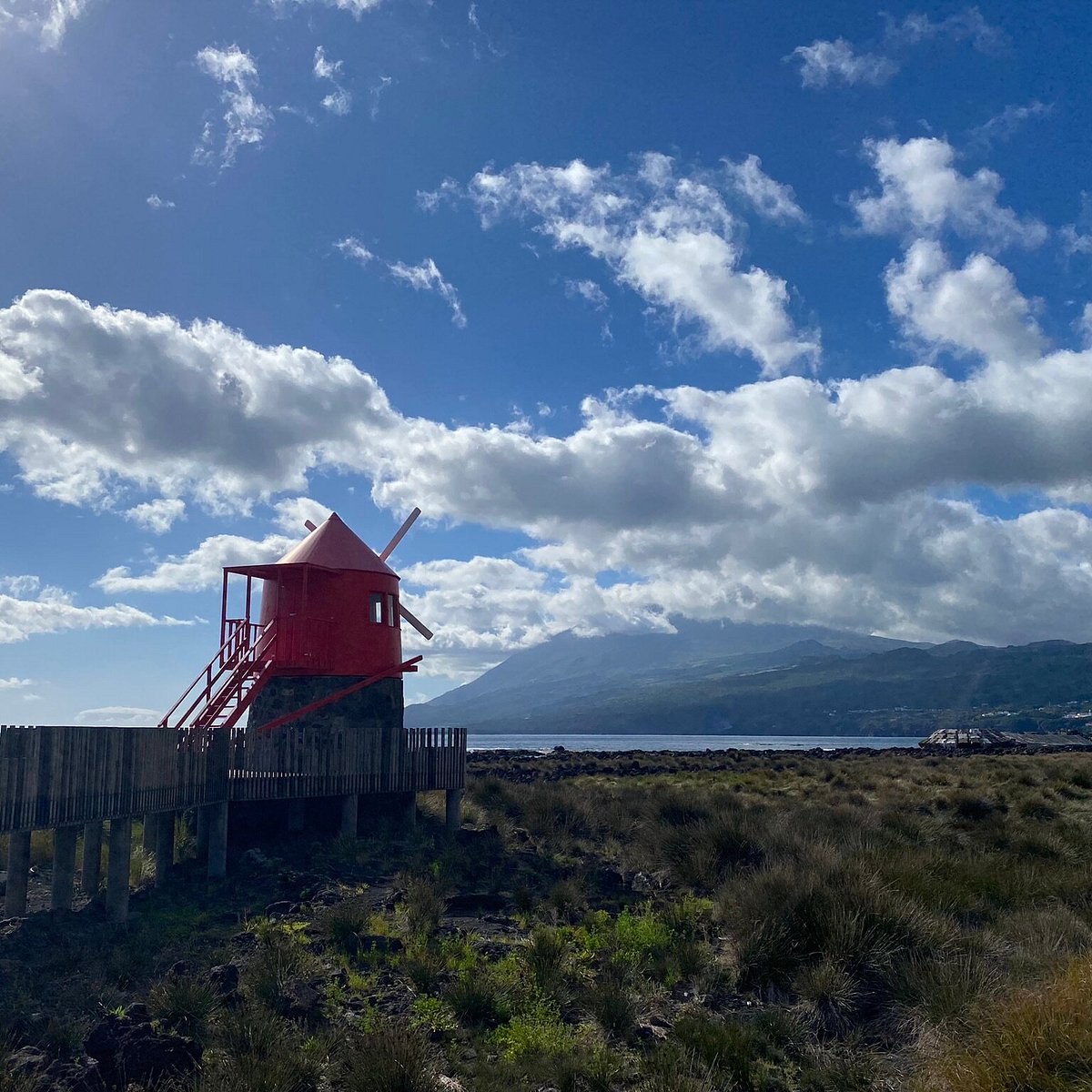
Walk along the wooden pathway toward this traditional red windmill set in a dry lava field by the sea. Align your shot to frame the bright red structure against the deep blue ocean where tour boats sail.
Embarking on pico island whale watching tours is a great way for families to spot sperm whales. However, these open-ocean trips require careful planning regarding child safety and comfort.
Securing your pico island whale watching tours tickets in advance is essential. Most operators enforce a strict age limit of 5 or 6 years old, and pregnant women are not permitted on Zodiac boats due to rough swells.
Taking a classic pico island whale watching tours tour involves riding in a small Zodiac boat. These craft offer a close-up ride but provide zero protection from waves or wind, and lack restrooms.
Atlantic swells can upset stomachs during whale and dolphin watching tours, so administer child-safe medication beforehand. Opt for morning departures between 08:30 and 14:00, when seas are typically calmer.
Strollers cannot be taken on the boats but can be stored at the harbor office on Rua do Saco. Dress kids in windproof layers and bring sunscreen, while the operator provides lifevests.
Compare different pico island whale watching tours tours operators to find the best fit. Always arrive 15 minutes before departure for the safety briefing led by a marine biologist.
Lajes do Pico offers dining steps from the harbor, making it easy to grab a bite before or after your pico island whale watching tours. Local spots focus on fresh Atlantic fish, regional cheeses, and Azorean wines.
Located right near the harbor, this casual spot is perfect for a quick snack before validating your pico island whale watching tours tickets. Order the house burgers, pastries, or a coffee while overlooking the marina. It is a convenient stop when you are short on time.
A rustic tavern serving traditional Azorean petiscos like octopus and regional beef. It is an ideal spot to relax with a cold beer after completing your pico island whale watching tours tour. Diners should book ahead as tables fill up quickly in the evening.
This premium restaurant serves creative sushi made exclusively with fresh local catch. It is a favorite dining choice for visitors booking pico island whale watching tours tours or returning from an Azores cetacean excursion. Plan for a longer, relaxed meal on the outdoor deck.
Real experiences from real travelers
Our skipper found a pod of sperm whales within forty minutes of leaving Lajes do Pico, the sea glassy under a warm morning sun. The vigia on the cliff radioed each sighting straight to the boat. Booking pico island whale watching tours here was the smoothest part of our whole trip.
We took the fast Zodiac and bounced across the Faial channel with Mount Pico looming behind us. Dolphins rode our bow wave for a good ten minutes before we reached the whales. If you want a proper pico island whale watching tours tour, this is the one to pick.
The marine biologist on board explained how the land-based spotters guide every boat to the cetaceans. The water turned choppy in the afternoon, so bring a windproof jacket. Observação de baleias no Pico turned out to be the highlight of our Azores week.
We watched a blue whale surface twice quite close to us, though our RIB felt a little crowded that day. The guides kept a respectful distance from the animals at all times. Still one of the better Azores whale watching excursions I have done.
We grabbed our pico island whale watching tours tickets online the night before and there was no queue at the harbour. By mid-morning we had spotted a mother and calf sperm whale resting at the surface. The Atlantic light out there is something else.
Beyond the whales we saw loggerhead turtles and a huge pod of common dolphins in three hours on the water. Our guide from the pico island whale watching tours knew exactly where the cliff spotters were pointing. Bring seasickness tablets if the swell is up.
We left the port just after sunrise when the water was completely still. A fin whale crossed our path close enough to hear its blow. The whole Pico whale watching boat trip lasted about three hours and never felt rushed.
The first hour was quiet, then the spotters found a group of sperm whales diving in sequence. Watching their flukes lift against Mount Pico was the exact image I came for. These pico island whale watching tours run rain or shine, so check the forecast before you go.
Comparing the different pico island whale watching tours tours is easy once you pick a small crew. We had maybe eight people aboard and everyone got a clear view of the whales. The team even shared a hydrophone recording of the sperm whales clicking below us.
Everything you need to know for your journey
The booking office at Rua do Saco is open daily from 08:30 to 20:00. However, actual Pico Island whale watching tours depend on sea conditions and typically depart between 08:30 and 14:00.
All excursions depart from the Lajes do Pico harbor. You will meet the team at the Espaço Talassa office located at Rua do Saco, 9930-141 Lajes do Pico, Azores, Portugal.
Yes, if the operator cancels the trip due to unsafe sea conditions, you will receive a full refund or the option to reschedule. A full refund is issued for all cancelled Pico Island whale watching tours tickets.
These boat trips are generally not wheelchair accessible due to the physical boarding requirements of zodiac boats. We recommend contacting the Espaço Talassa office directly to discuss options for passengers with limited mobility.
Cancellations made by guests at least 48 hours prior to the departure of their Pico Island whale watching tours will receive a full refund. The entrance fee to the harbor area is 0 EUR (No fee to enter harbor or office; tour prices vary by operator.).
You should dress in warm, windproof layers and wear closed-toe shoes with non-slip soles. The Atlantic Ocean breeze can make temperatures feel much cooler than on land.
Food is not provided during the standard three-hour excursion, but you are welcome to bring water and light snacks. Eating large meals is discouraged to prevent motion sickness during Pico Island whale watching tours.
Children under the age of four are generally not allowed on the Espaço Talassa boats for safety reasons. Life jackets are provided for older children and must be worn at all times.
Yes, you can bring a camera, but it should be secured with a strap and kept in a waterproof bag. The operator is not responsible for any damage caused by saltwater spray.
Yes, booking your Azorean marine wildlife trips in advance is highly recommended during the summer season as boat capacities at Espaço Talassa are limited.
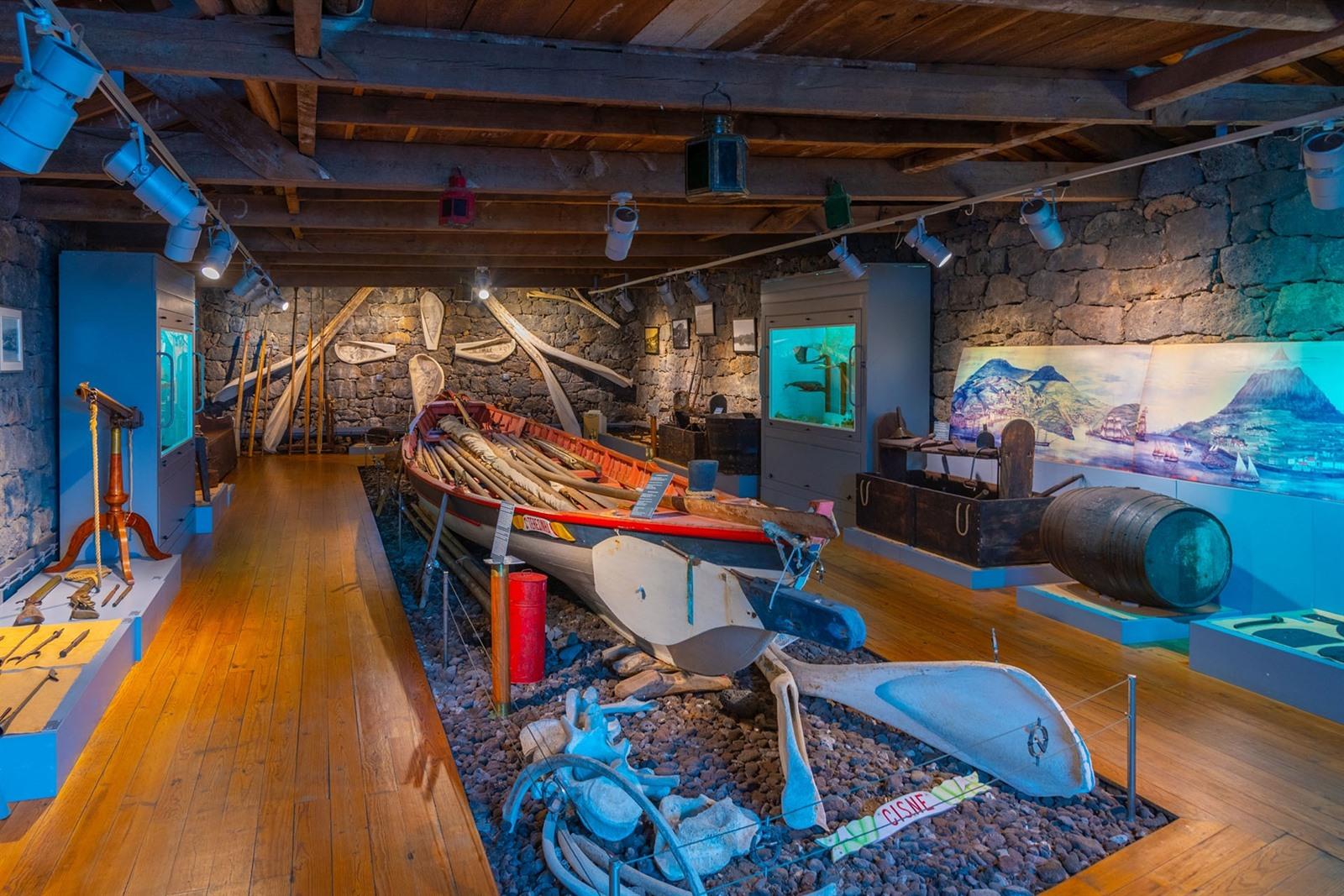
This museum is housed in historical 19th-century boat houses, showcasing tools and scrimshaw. It details the island's former whaling industry and cultural transition.
Built in the 17th century to defend Lajes do Pico from pirates, this coastal stone fort offers views of the ocean and the local harbor. Visitors can explore the historic ramparts and admire views of the ocean.
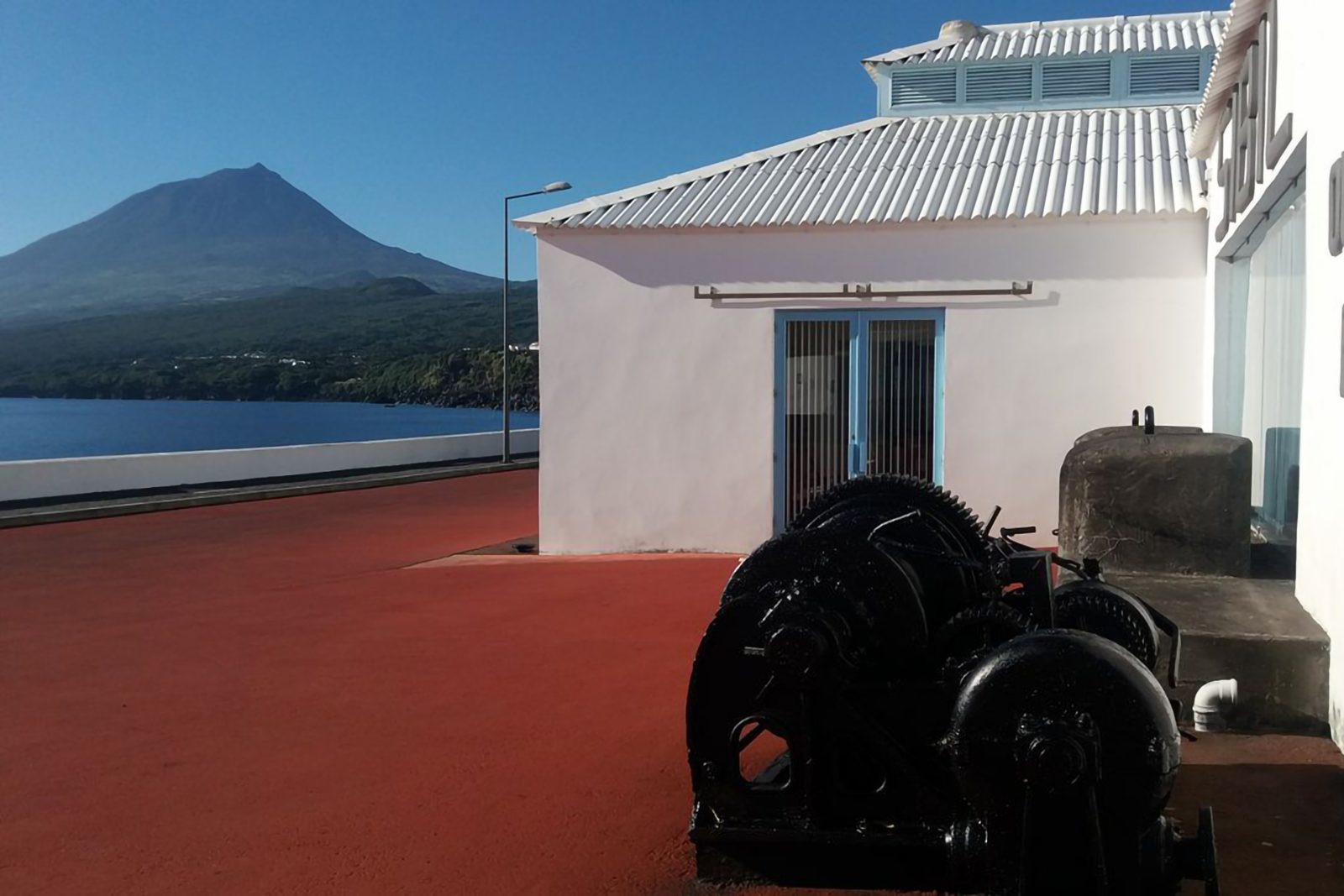
Located in a restored whale-processing factory, this science center features interactive exhibits on marine biology and regional cetacean conservation. It offers educational resources about the local marine ecology.
A restored coastal lookout tower traditionally used by whalers and now utilized by marine biologists to spot cetaceans out at sea. It serves as an excellent viewpoint for coastal hiking trails.
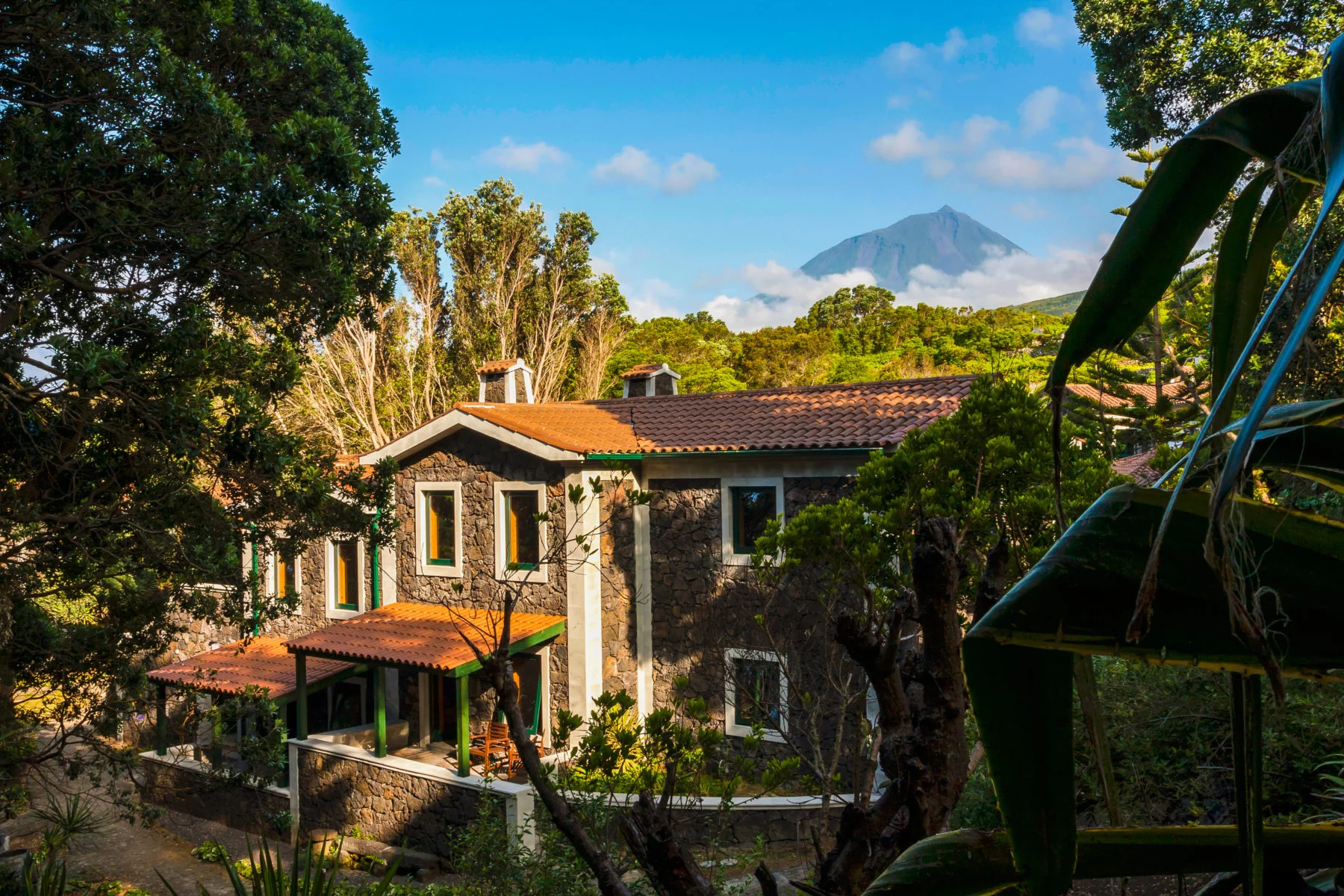
This eco-friendly hotel is built from volcanic stone and features ocean views, direct sea access, and lush gardens. It offers a quiet retreat close to the town center.
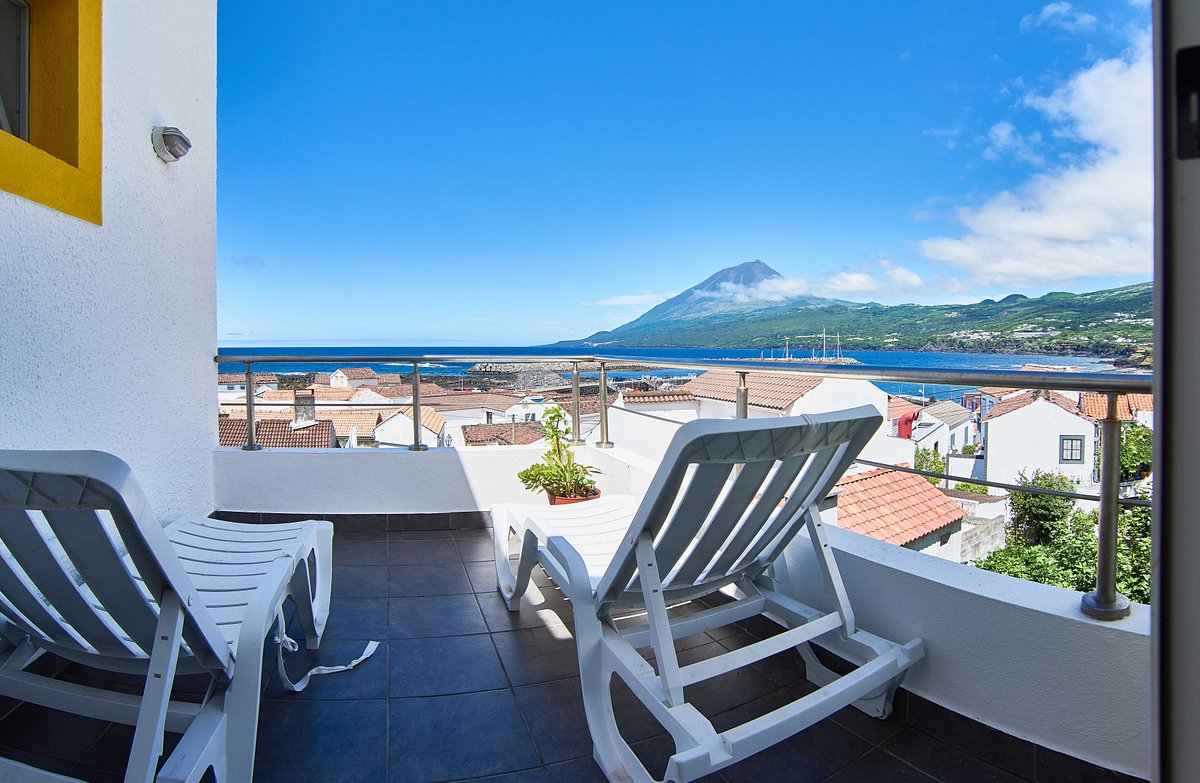
Located near the waterfront, this guest house offers comfortable apartments with private terraces overlooking the Atlantic Ocean. It provides easy walking access to local restaurants and the harbor.
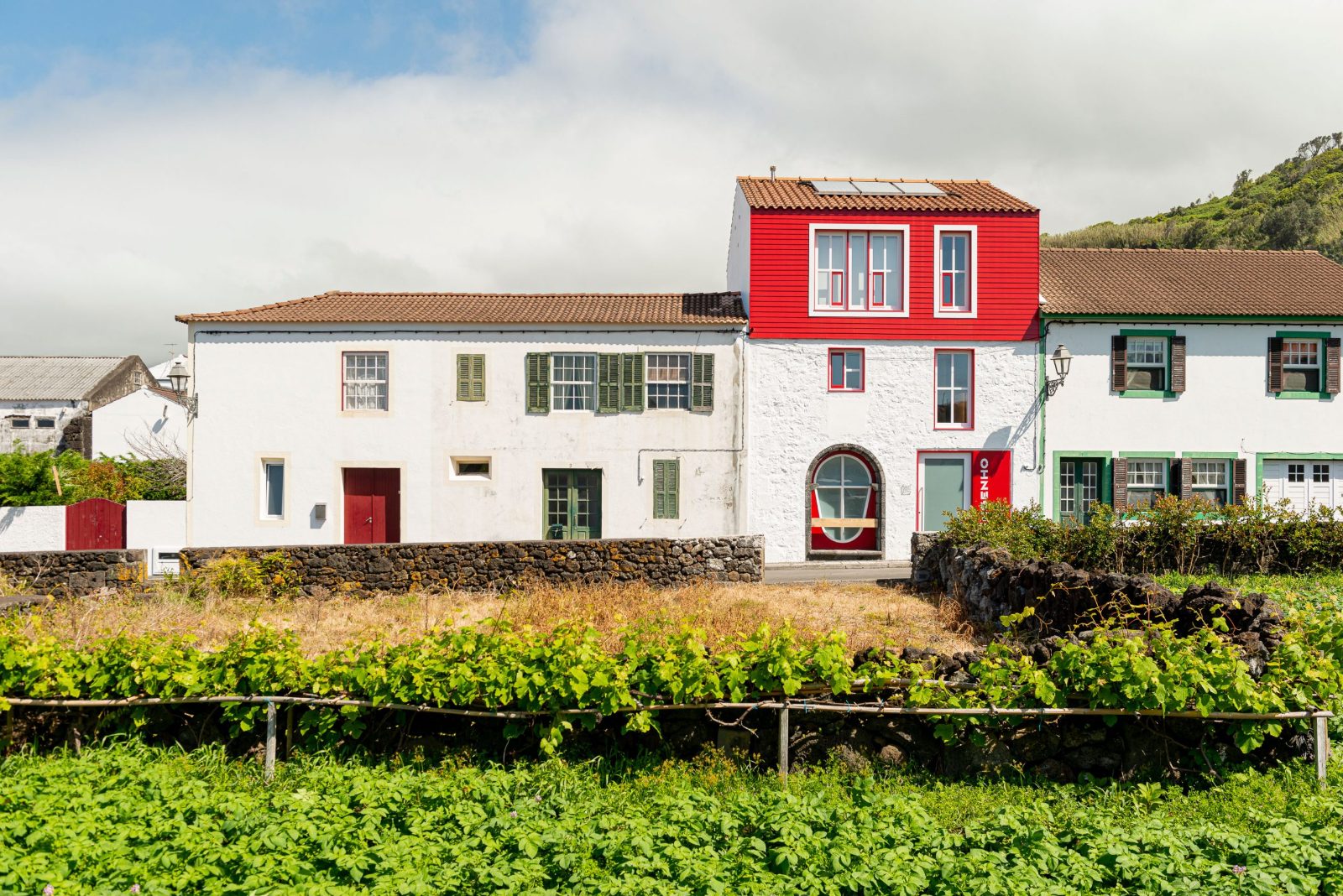
A budget-friendly hostel featuring shared dormitory rooms, a communal kitchen, and outdoor social spaces in the town center. It is popular with solo travelers and backpackers.
Join thousands of happy travelers who have discovered this incredible experience
Book Your Experience Now