
Quick answer
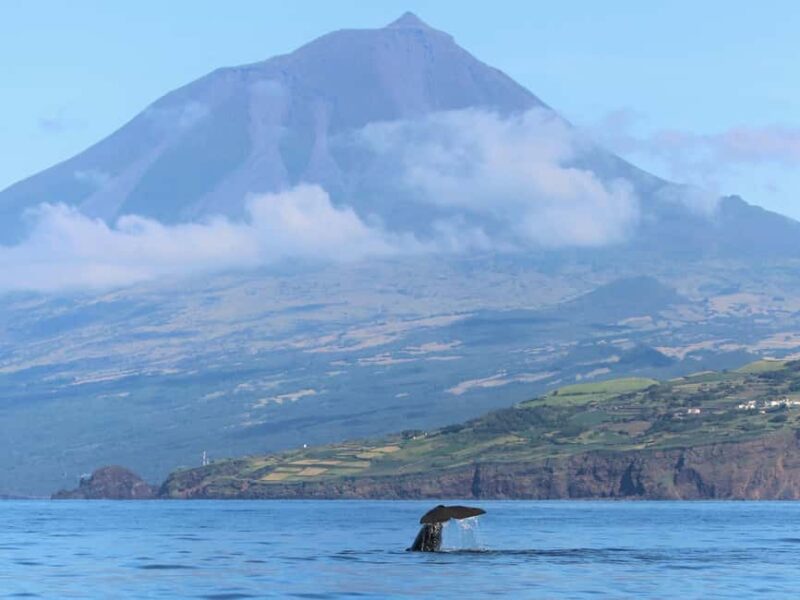
Pico Island offers year-round whale watching because resident sperm whales feed just off Lajes do Pico, so the strongest trips are short crossings run by small operators with shore-based spotters. Entry to the waterfront base is free, tours are booked separately, and each day begins with a required 30-minute briefing between 08:30 and 09:00 before the morning boat departs.
The seabed off Lajes do Pico falls away to more than a thousand metres within sight of the harbour wall, which is why sperm whales feed here without straying far from the coast. That single fact shapes what the best whale watching pico island trips can honestly promise: short crossings, resident cachalotes, and a real chance of an encounter on most calm mornings. Many visitors arrive braced for a lottery and find something closer to a routine. Success on the water depends on two things a newcomer rarely notices. The first is the shore network of lookout spotters, the vigias, who track blows from clifftop stations and radio bearings down to the skippers. The second is the marine biologist aboard, who narrates behaviour and keeps the boat inside the regional code of conduct. Because operators along the old whaling waterfront share this spotting network, the difference between them is seldom luck and more often character — a fast rigid-hull craft against a steadier catamaran, an intimate group against a crowded deck. Sperm whales hold the coast across the year, blue and fin whales pass on their spring migration, and pods of common dolphins ride the bow in most sea states. Locals still call it observação de baleias, and the name captures the patience the activity rewards. The Atlantic here is honest with its visitors. Swell builds quickly beyond the shelter of the island, so departures track the forecast rather than the calendar, and a flexible plan beats a fixed date. Water stays mild through summer, though wind, not cold, decides whether a boat sails. Entry to the waterfront base is free, and every Pico Island whale watching tour opens with a compulsory briefing that walks through the code, the species board, and how a distant fluke or spout actually reads from a pitching boat. What all of this means for planning is simple. The strongest choice is rarely the loudest advertisement or the earliest slot, but the operator with the clearest sightings log, the smaller headcount, and a transparent safety record. Comparing vessel type, group size, and the biologist's role before you commit is what turns a good forecast into a good morning. For travellers still narrowing the best whale watching pico island shortlist, that quiet diligence, not marketing, is the reliable guide.
“The strongest choice is rarely the loudest advertisement or the earliest slot, but the operator with the clearest sightings log and the smaller headcount.”
Seasons and Species: When to Book the Best Whale Watching Pico Island
The optimal window for whale watching on Pico Island runs from mid-April to late May, aligning with the peak spring migration of massive blue, fin, and sei whales. Summer brings resident sperm whales and dolphins alongside calmer, warmer ocean conditions.
Spring (March to May)
Low to moderate visitor counts.Cool, changeable skies, 14°C–18°C (57°F–64°F).
This is the primary window to spot migrating blue, fin, and sei whales. Rougher spring seas can cancel departures, so booking a flexible multi-day window is recommended.
Summer (June to August)
Peak tourist season, booking required.Warm and dry, 20°C–25°C (68°F–77°F).
Ideal for spotting resident sperm whales and summer species like the Atlantic spotted dolphin. Ocean conditions are generally at their calmest, making boat journeys smoother.
Autumn (September to October)
Fewer crowds, moderate boat demand.Mild and humid, 19°C–23°C (66°F–73°F).
Sperm whales and various dolphin species remain active in the warm waters. Sea conditions remain cooperative, offering a quieter experience for photography.
Morning Departures
High demand, booking ahead required.—
Morning trips typically experience calmer sea states and lighter winds compared to afternoon excursions. Booking a morning slot increases your chance of smooth sailing and clear visibility.
Verdict: Select morning departures between late April and May to maximize your chance of viewing migrating blue whales in calm sea conditions.
Madalena vs Lajes: Where to Base for the Best Whale Watching Pico Island
Whale watching tours depart from either Madalena in the west or Lajes do Pico in the south. Choosing the right harbor determines your travel time to deep-sea trenches, boat choices, and daily transport needs.
| Madalena West Coast Base |
Top pick Lajes do Pico South Coast Base |
|
|---|---|---|
| Departure Harbor | Port of Madalena (0 km from Faial channel) | Port of Lajes (30 km south of Madalena) |
| Boat Types Offered | 12-meter rigid inflatable boats (RIB) and 13-meter catamarans | 8-meter to 12-meter rigid inflatable boats (RIB) |
| Best For | Exploring 2 maritime channels (Pico-Faial and Pico-São Jorge) | Reaching deep-sea trenches (located 2 to 5 km offshore) |
| Vibe | Modern town center with 3 ferry docks | Historic whaling outpost with 1 local museum |
| Ferry Access | Direct 30-minute passenger ferry line to Faial | No direct passenger ferry (requires a 35 km drive from Madalena) |
Verdict: Select Madalena if you want direct ferry access to Faial and catamaran options, or choose Lajes do Pico for quick boat trips to southern deep-water feeding grounds.
Vigia Lookout Towers: The Eyes Behind the Best Whale Watching Pico Island
Land-based lookouts, known as vigias, play a vital role in Pico Island's whale watching operations. From these clifftop stone huts, skilled spotters scan the ocean with powerful binoculars to locate cetaceans and guide tour boats in real time.
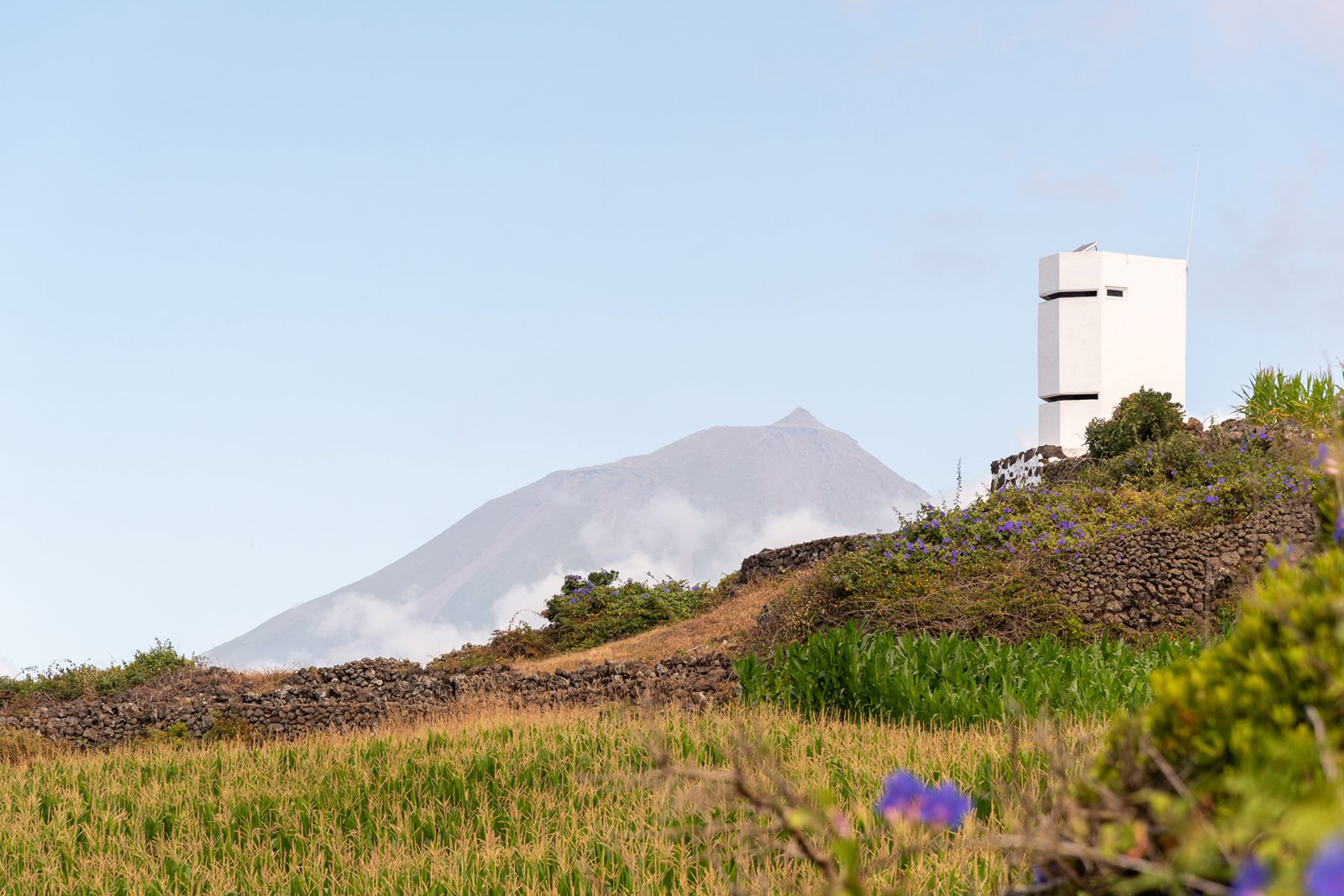
Vigia da Queimada
This historic stone tower near Lajes do Pico is the only two-story whale lookout in the Azores. Today, professional spotters use its elevated platform to scan the sea and guide excursion boats via radio.
Climb to the top story for the widest view over the channel.
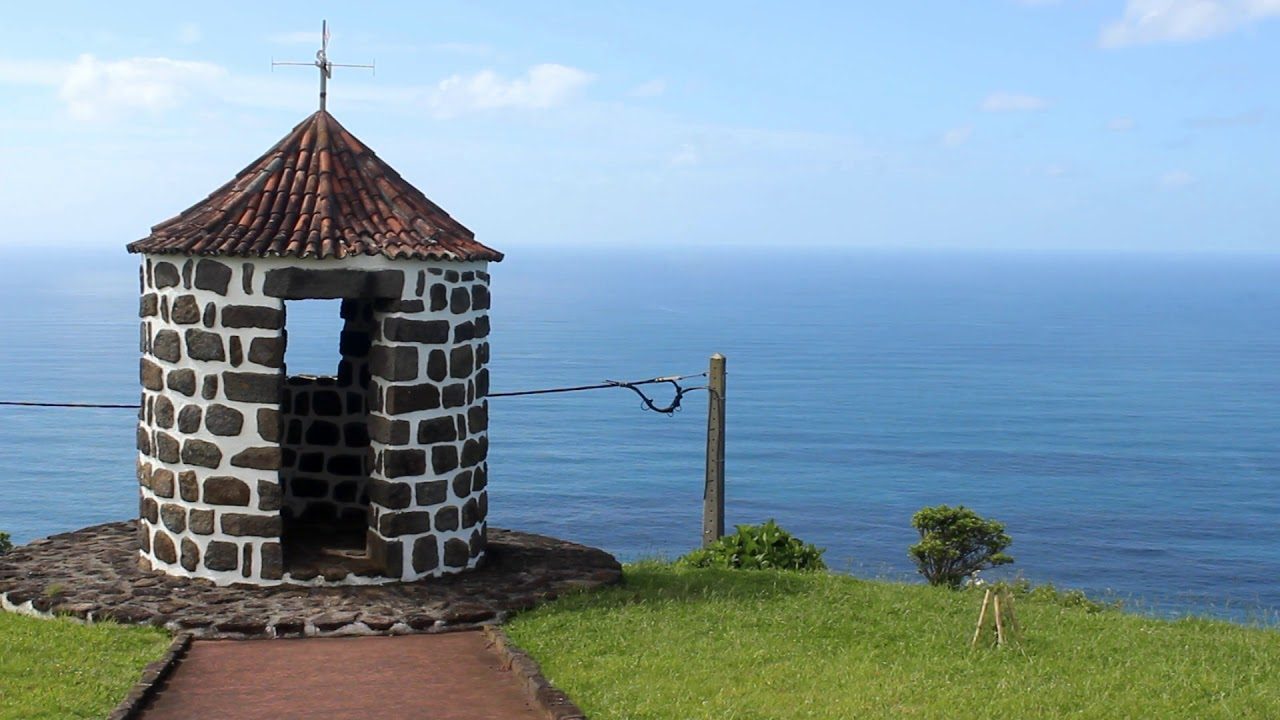
Vigia da Baleia (Santo António)
Located in the municipality of São Roque do Pico, this restored circular station was built in 1957. It stands on the north coast, providing spotters with a clear line of sight over the northern canal.
Spot the white circular structure standing against the backdrop of São Jorge.
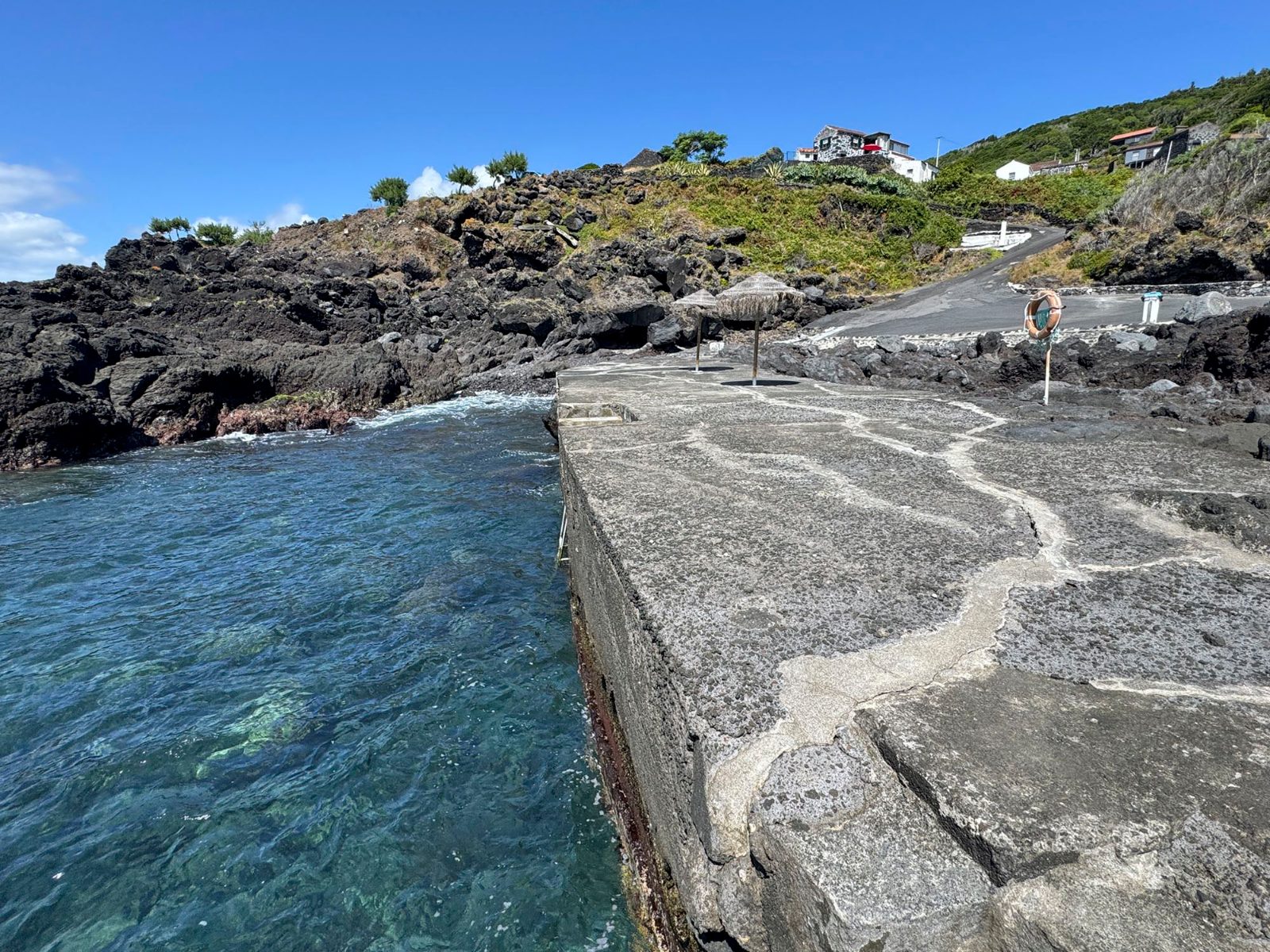
Balheira Whaling Lookout
Perched on a volcanic cliff in Calheta de Nesquim, this low-profile stone shelter resembles a coastal bunker. Spotters use this station to track cetacean activity and dolphin pods traveling close to the shore.
Watch for seabirds nesting in the surrounding black lava crevices.
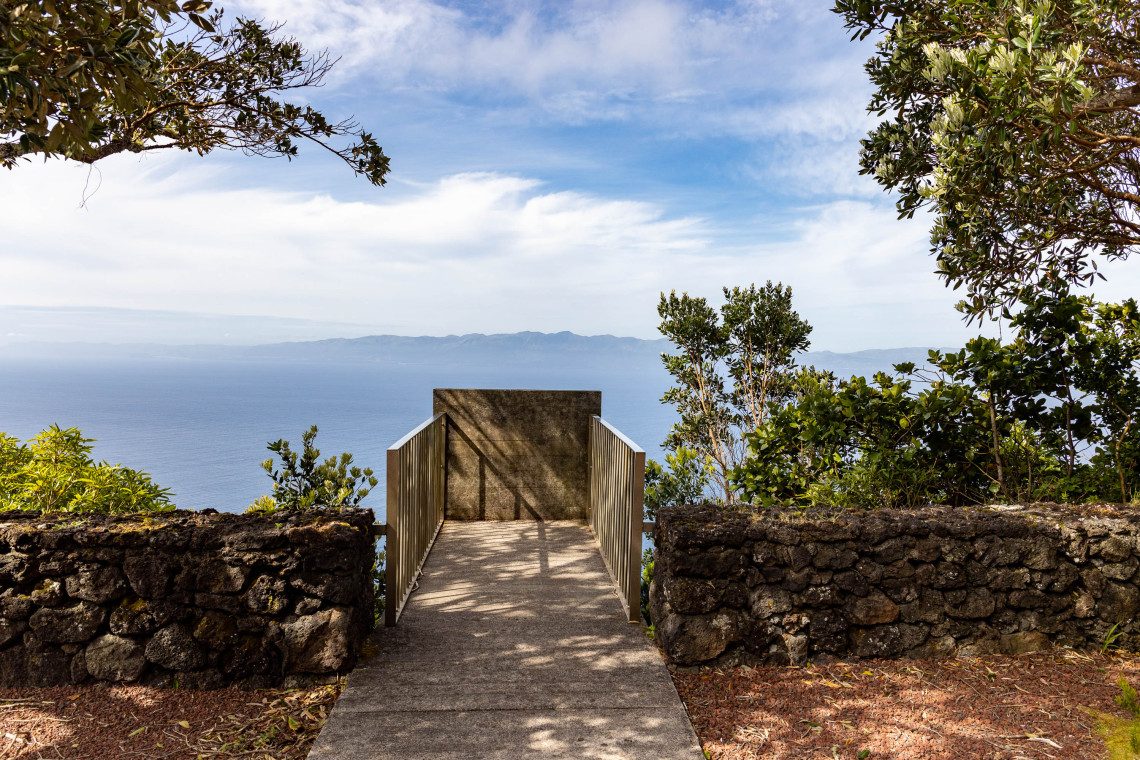
Vigia das Terras
Located in the elevated village of Terras near Ribeiras, this roadside viewpoint offers a sweeping perspective of the southern coastline. Its high vantage point allows observers to monitor deep oceanic channels.
Stop here along the regional road to look for offshore dolphin pods.
Base Operating Hours: Planning for the Best Whale Watching Pico Island
The main registration base in Lajes do Pico is open daily from morning until mid-evening, providing check-in and booking support throughout the season.
| Monday | 08:30–20:00 | Morning arrival recommended |
|---|---|---|
| Tuesday | 08:30–20:00 | Morning arrival recommended |
| Wednesday | 08:30–20:00 | Morning arrival recommended |
| Thursday | 08:30–20:00 | Morning arrival recommended |
| Friday | 08:30–20:00 | Morning arrival recommended |
| Saturday | 08:30–20:00 | Morning arrival recommended |
| Sunday | 08:30–20:00 | Morning arrival recommended |
The base operates daily from mid-March through late October. During winter months from November to early March, sea departures are suspended and base hours may vary.
How to Travel to the Lajes do Pico Whale Harbor
The primary whale watching base is situated at Rua dos Baleeiros 15 in the historic southern town of Lajes do Pico. Visitors typically approach the harbor via the southern coastal road from Madalena or from the regional airport.
EN1 south coast road from Madalena to Rua dos Baleeiros 15
UTC Pico Line 2 from Madalena - Gare Marítima to Lajes - Delegação Marítima
Direct route from Pico Airport (PIX) to Rua dos Baleeiros 15
From Harpoons to Heritage: The History of Pico Cetacean Spotting
The story begins in the early nineteenth century. American whaleships, hunting sperm whales across the mid-Atlantic, recruited Azorean crews for their skill and stamina. Pico's men learned the harpoon aboard those foreign decks. By the time shore-based whaling took root at Lajes do Pico, the island had become the archipelago's whaling heart. Crews launched seven-oared baleeiras the moment a cliff-top vigia signalled a spout. The industry grew industrial. In 1946 the SIBIL factory opened at São Roque do Pico, rendering blubber and bone into oil and meal. For decades the trade defined Pico's economy and its dangers. Then the tide turned. In 1984 Portugal accepted the international moratorium, and by 1986 commercial whaling had all but ended across the Azores. The last sperm whale was taken in these waters in 1987. What survived was knowledge. The vigias, who had spent lifetimes reading the sea for spouts, held expertise no instrument could replace. In 1989 Espaço Talassa opened in Lajes do Pico and turned that inheritance toward cetacean spotting rather than the kill. Old harpooners became guides. The same cliffside posts that once directed boats to a strike now direct them to a sighting, which is why the best whale watching pico island offers today rests on genuine continuity. Visitors still feel that lineage on site. From the harbour at Lajes, boats follow radioed calls from lookouts perched exactly where their predecessors watched. This living archive is what distinguishes the best whale watching pico island experience from mere sightseeing. Walk the seafront and the old boat sheds, the try-pots, and the whalers' chapel remain, quiet witnesses to a trade that became a tour.
American whaleships recruit Azorean crews, seeding shore-based sperm whaling at Lajes do Pico.
The SIBIL whale-processing factory begins operating at São Roque do Pico.
Portugal accepts the international moratorium, curtailing commercial whaling.
Commercial whaling ends across the Azores.
The last sperm whale is taken in Azorean waters near Pico.
Espaço Talassa opens in Lajes do Pico, redirecting vigia skills toward whale watching.
Retired lookouts still guide boats from the same cliffside posts their forebears used.
Essential Tips for Watching Whales in the Azores
Plan your Pico Island whale watching excursion carefully to handle the unpredictable Atlantic weather and ocean conditions.
Book Early in the Trip
Reserve your first excursion for day one or two of your stay. This leaves open slots for operators to reschedule your trip if strong winds or high swells cause safety cancellations.
Prevent Sea Sickness
Atlantic swells are common even under sunny skies. Take motion sickness prevention medication at least one hour before boarding, as it does not work once nausea begins on the water.
Select the Right Vessel
Rigid inflatable boats (RIBs) sit close to the water and move fast but bounce heavily on waves. Larger catamarans offer a more stable platform, which is better if you have back pain.
Consult the Land Lookouts
Ask the base staff at Rua dos Baleeiros 15 what the land-based lookouts have spotted before boarding. This helps manage expectations about which cetacean species are active that morning.
Plan for Delays
Keep your afternoon schedule open after a morning tour. Weather delays can shift departure times, and boats may travel further offshore to follow active pods, delaying your return.
What to Pack: A Checklist for Pico Island Whale Trips
Pack light but deliberately for a small boat on open Atlantic water, working from booking day down to departure morning.
-
Book your tour in advance
-
Confirm your slot early through the site's booking pages so the 30-minute briefing at 08:30–09:00 works around your seat. — Carry photo ID for registration
-
Registration before departure requires valid identification, so keep it accessible.
-
Take seasickness prevention beforehand
-
Swells build offshore, so use medication or bands 30–60 minutes before boarding.
-
Wear a windbreaker and waterproof layers
-
Spray and wind chill hit hard on deck, even on warm days.
-
Apply sunscreen before boarding
-
Open water reflects strong sun with little shade on the boat.
-
Attach a camera strap
-
A wrist or neck strap keeps your camera safe against wind and motion.
-
Bring water and a small snack
-
Trips run for hours, and steady hydration helps counter nausea.
Check availability
FAQ: Best Whale Watching Pico Island Guide
Everything you need to know about best whale watching pico island