3 hr
Pico Island Guided Whale Watching from Lajes do Pico
- Entry ticket
- Mobile voucher
- Valid same day
- Free cancellation
Pico Island Whale Watching Tour — Boat & Zodiac Departures from Lajes
Sperm whales break the blue, the vigia calls the sea
Compare fares, pick the fit — all bookings are mobile-voucher and eligible for free cancellation where shown.
3 hr
2 hr 30 min
3 hr
Selecting the right pico island whale watching tour tickets depends on your budget, and booking a single pico island whale watching tour tour is best if you only have one day. For those with more time, weekly packages combine multiple sea excursions with local accommodation, guided by local marine biologists.
|
Top pick Single Sea Trip 3-Hour Excursion |
Whale Watching Week 7-Day Sea Package | Trek & Whale Watching 7-Day Land & Sea | |
|---|---|---|---|
| Price | From 49 EUR | From 569 EUR | From 538 EUR |
| Duration | 3 hours | 7 days (7 nights) | 7 days (7 nights) |
| Sea Excursions | 1 trip (3 hours) | 5 trips (3 hours each) | 2 trips (3 hours each) |
| Accommodation | — | ✓ (7 nights with breakfast) | ✓ (7 nights with breakfast) |
| Museum Entry | ✓ (Museu dos Baleeiros) | ✓ (Museu dos Baleeiros) | ✓ (Museu dos Baleeiros) |
| Hikes & Talks | — | ✓ (Evening presentations) | ✓ (3 non-guided hikes & talks) |
| Best for | Day trippers and first-timers | Dedicated marine wildlife enthusiasts | Outdoor lovers wanting land and sea |
| See tickets & prices |
Verdict: We recommend the classic pico island whale watching tour for a quick three-hour adventure, whereas dedicated researchers will prefer the multi-day pico island whale watching tour tours.
Worth it for marine wildlife enthusiasts
Free to walk into the booking office at Rua dos Baleeiros 15, but the pico island whale watching tour itself carries a premium, and here's why it lands. The operator still uses land-based vigias, the old whaler lookout system, so spotters radio boats toward confirmed sightings before you leave the harbour. That pushes success rates high and cuts wasted time drifting empty water. Marine biologist guides run the briefing and narration, so a Lajes do Pico whale watching tour reads as fieldwork, not a joyride. Strict distance and engine-cut ethics protect sperm whales and dolphins while keeping encounters close. You're paying for expertise and conservation discipline, not just a boat seat. It pays off for anyone who values genuine cetacean behaviour over a checklist photo. Budget travellers chasing the cheapest ride will feel the pinch more than serious wildlife watchers.
Bottom line: For serious wildlife watchers, this pico island whale watching tour earns its premium; bargain hunters should weigh it carefully.
They complement each other; most visitors choose Lajes do Pico for a pico island whale watching tour. The southern coast is the ideal hub to search for sperm whales, with cliffside lookouts guiding the boats. This makes the region the premier destination for a pico island whale watching tour tour.
|
Top pick Lajes do Pico |
Madalena Departures | |
|---|---|---|
| Departure Point | Lajes do Pico (South Coast) | Madalena Marina (West Coast) |
| Sea Conditions & Sheltering | Sheltered from northern winds | Exposed to north and west swells |
| Boat Types Offered | Rigid inflatable boats (RIBs) | Rigid inflatable boats (RIBs) |
| Transit from Horta Ferry | 35-minute drive from ferry terminal | 2-minute walk from ferry terminal |
| Proximity to South Feeding Grounds | 10-minute transit to deep water | 30-minute transit to deep water |
| Vibe & Crowds | Quiet historic port with fewer boats | Busy transit hub with higher traffic |
| See tickets & prices |
Verdict: Opt for Lajes do Pico if you want a classic Azores whale watching excursion guided by marine biologists and local lookouts, or choose Madalena to easily coordinate your travel with pico island whale watching tour tickets.
Hand-picked experiences loved by thousands of travelers
8.5 hours
Free Cancellation
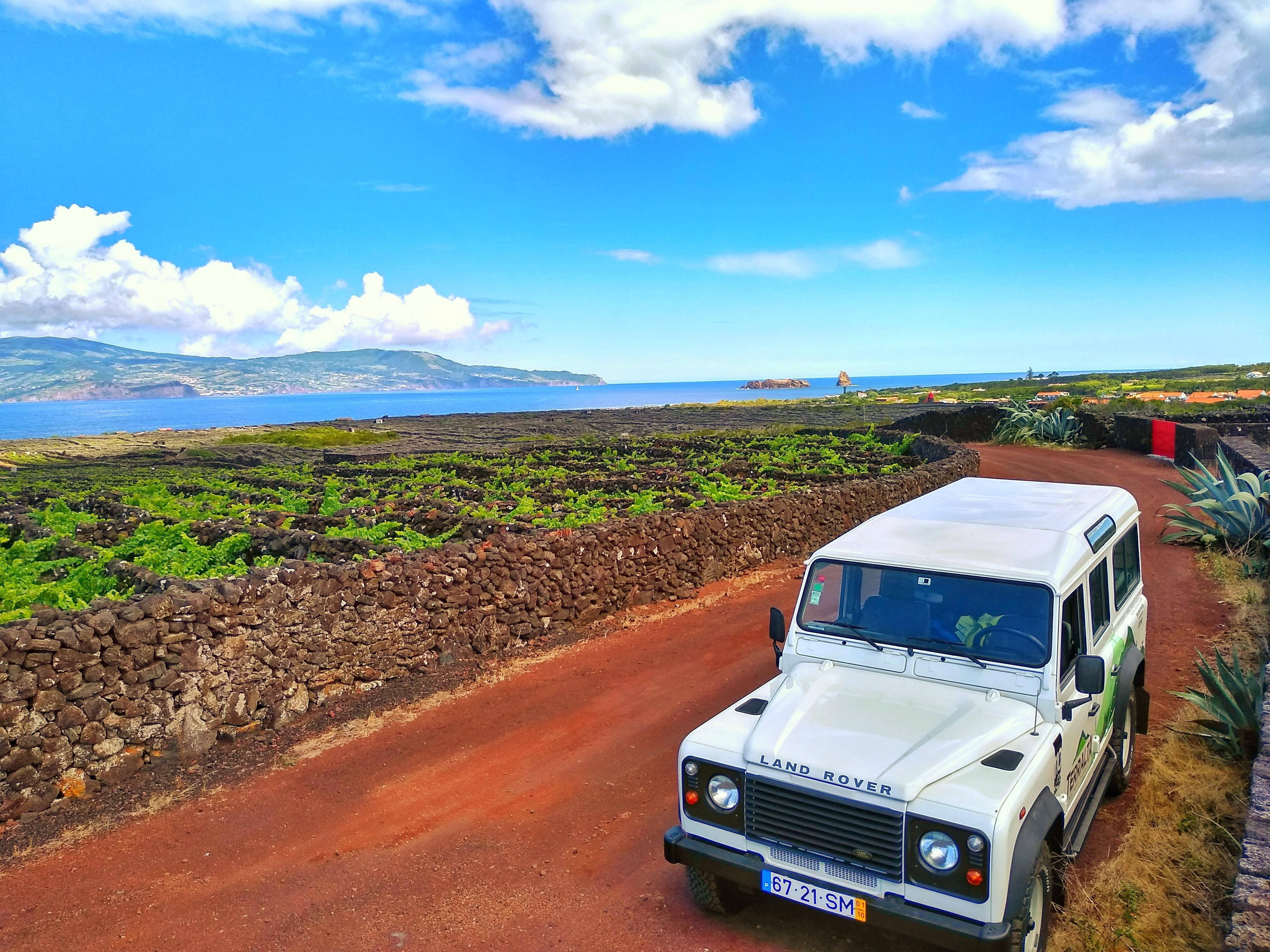
Explore Pico Island's UNESCO vineyards, dramatic lava fields, and historic whaling villages on an immersive full-day journey.
8 hours
Free Cancellation
Explore Pico Island's volcanic highlands, UNESCO-listed vineyards, and crater lakes on an immersive 8-hour jeep safari.
4 hours
Free Cancellation
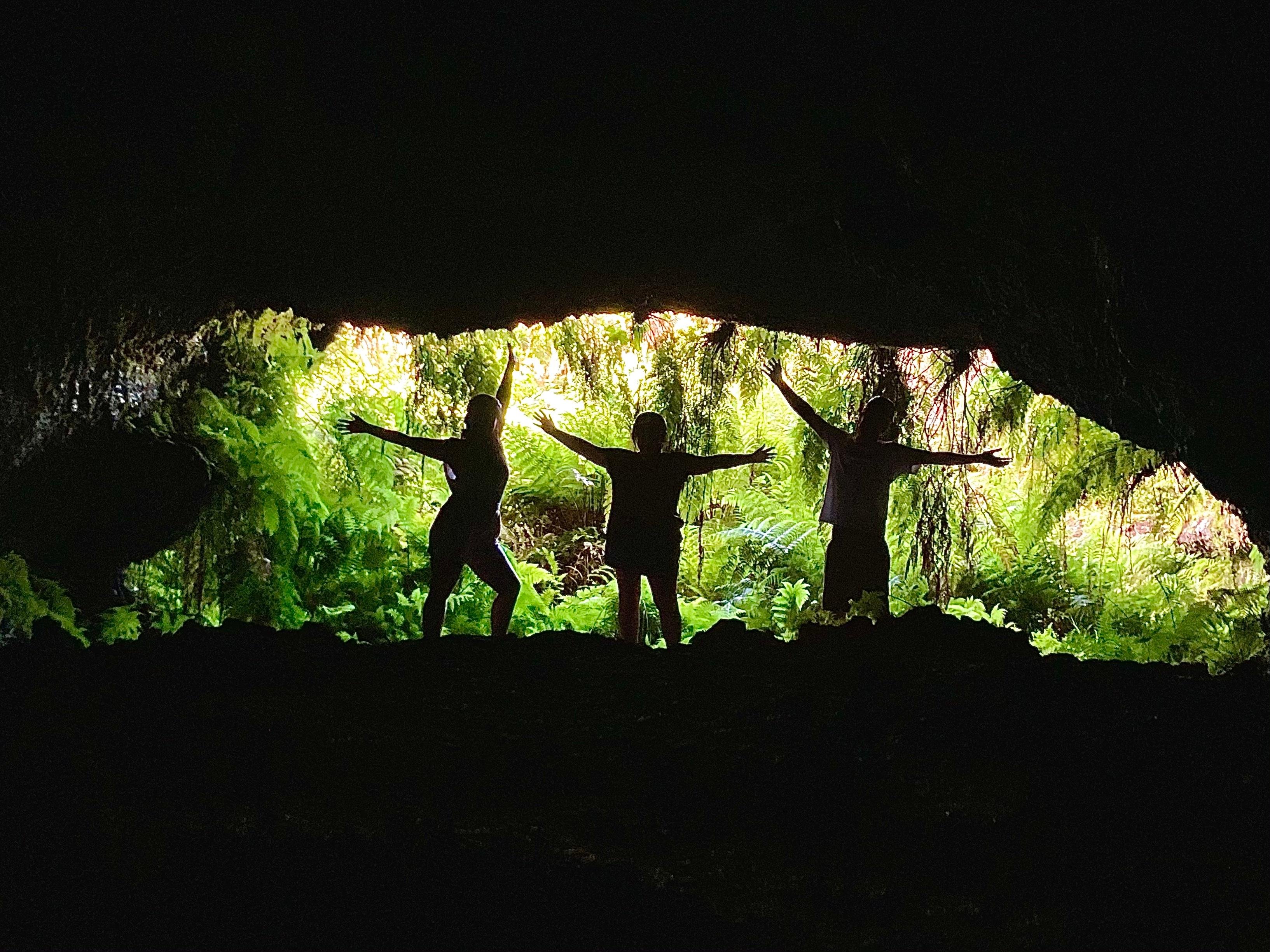
Discover Pico Island's striking blue lagoons, lush volcanic hills, and hidden underground lava tunnels.
4 hours
Free Cancellation
Discover Pico's volcanic interior, peaceful lagoons, historic vineyards, and traditional coastal villages on a private tour.
2.5 hours
Free Cancellation
Hike to a historic whale lookout, meet a local spotter, and discover Pico's deep maritime traditions.
2 days
Free Cancellation
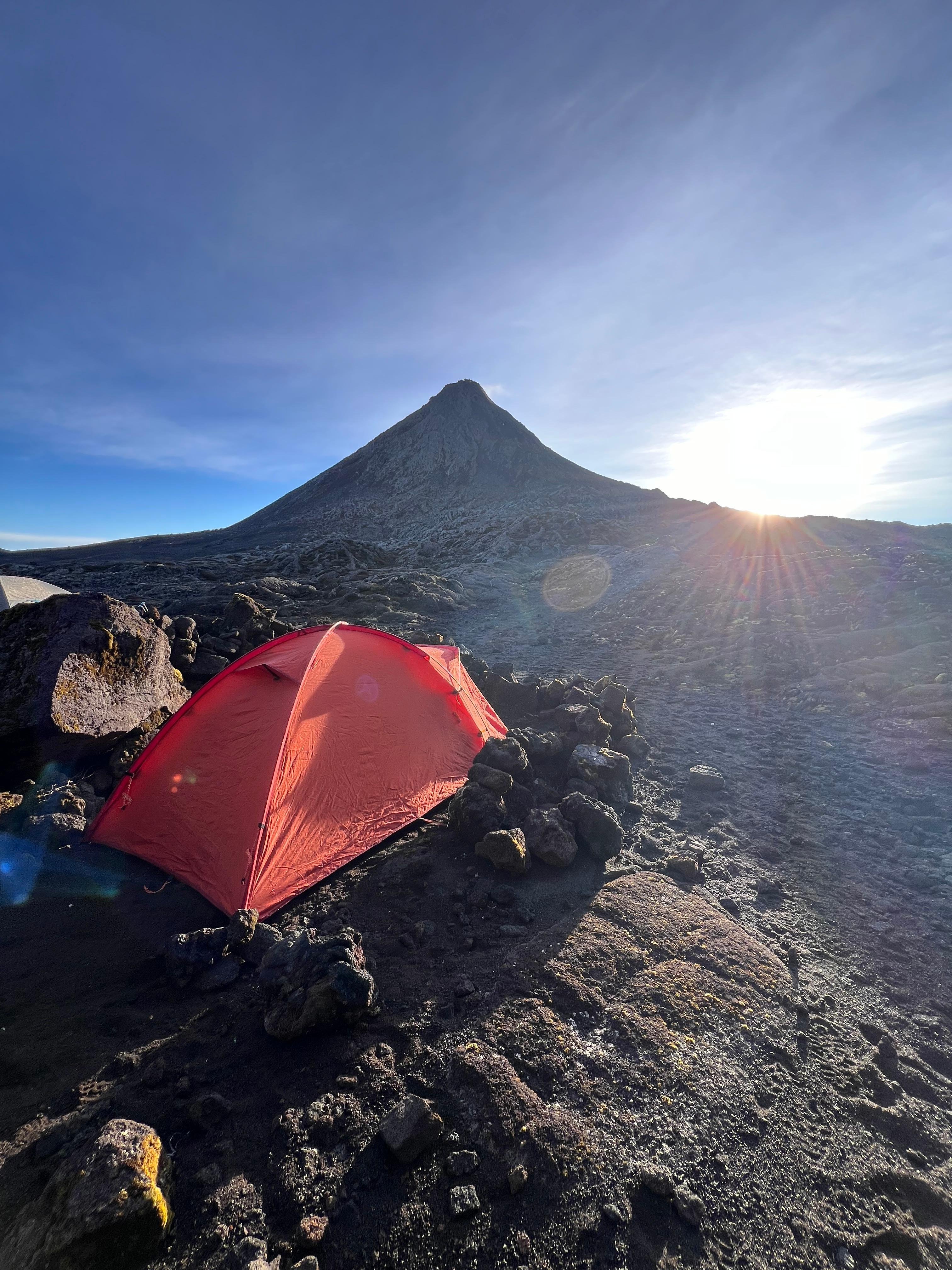
Ascend Portugal's tallest peak, sleep inside a volcanic crater, and witness spectacular sunset and sunrise views.
3 hours
Free Cancellation
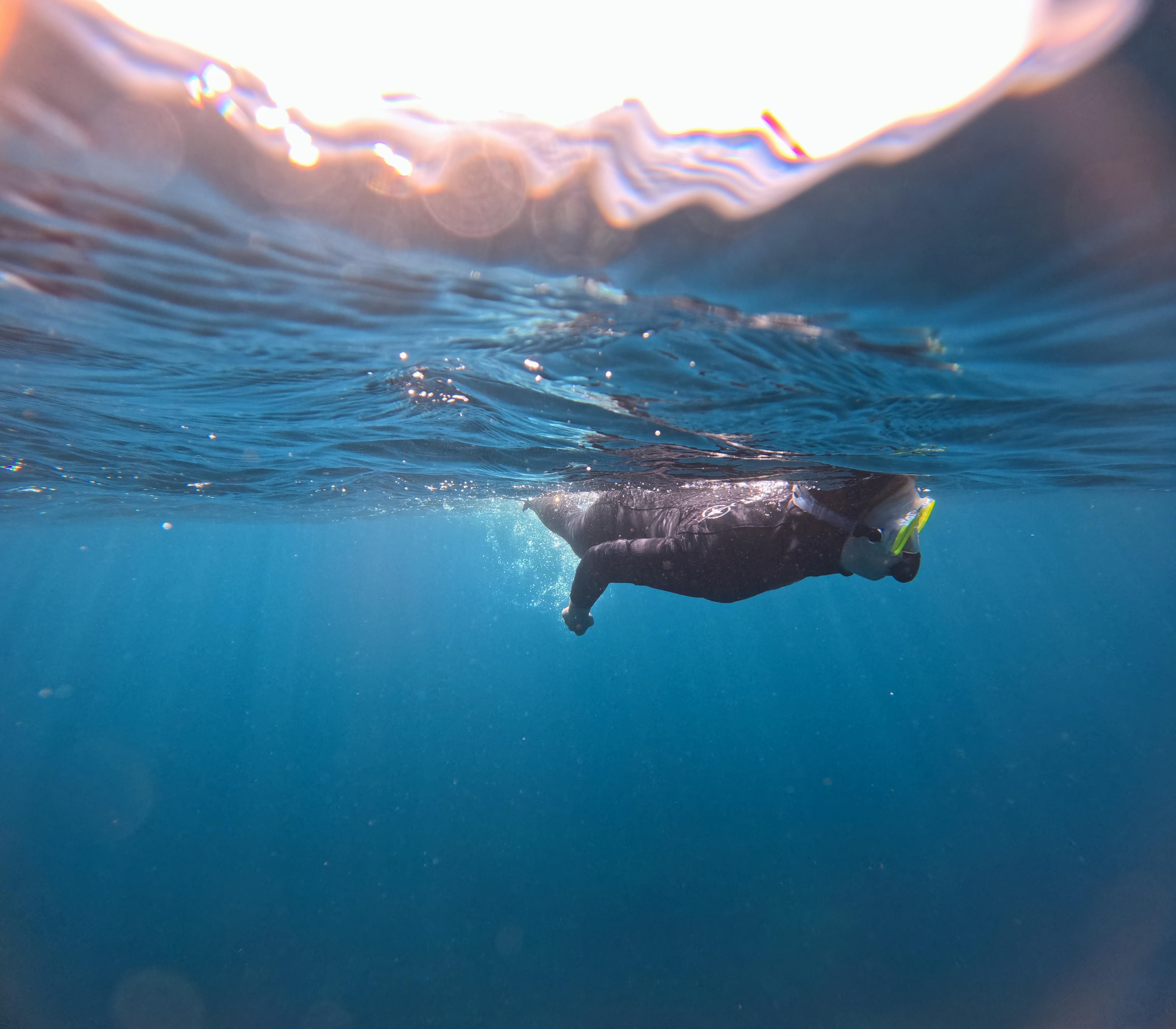
Discover vibrant marine life along Pico's volcanic shores on a guided snorkeling trip featuring souvenir photos.
1.5 hours
Free Cancellation
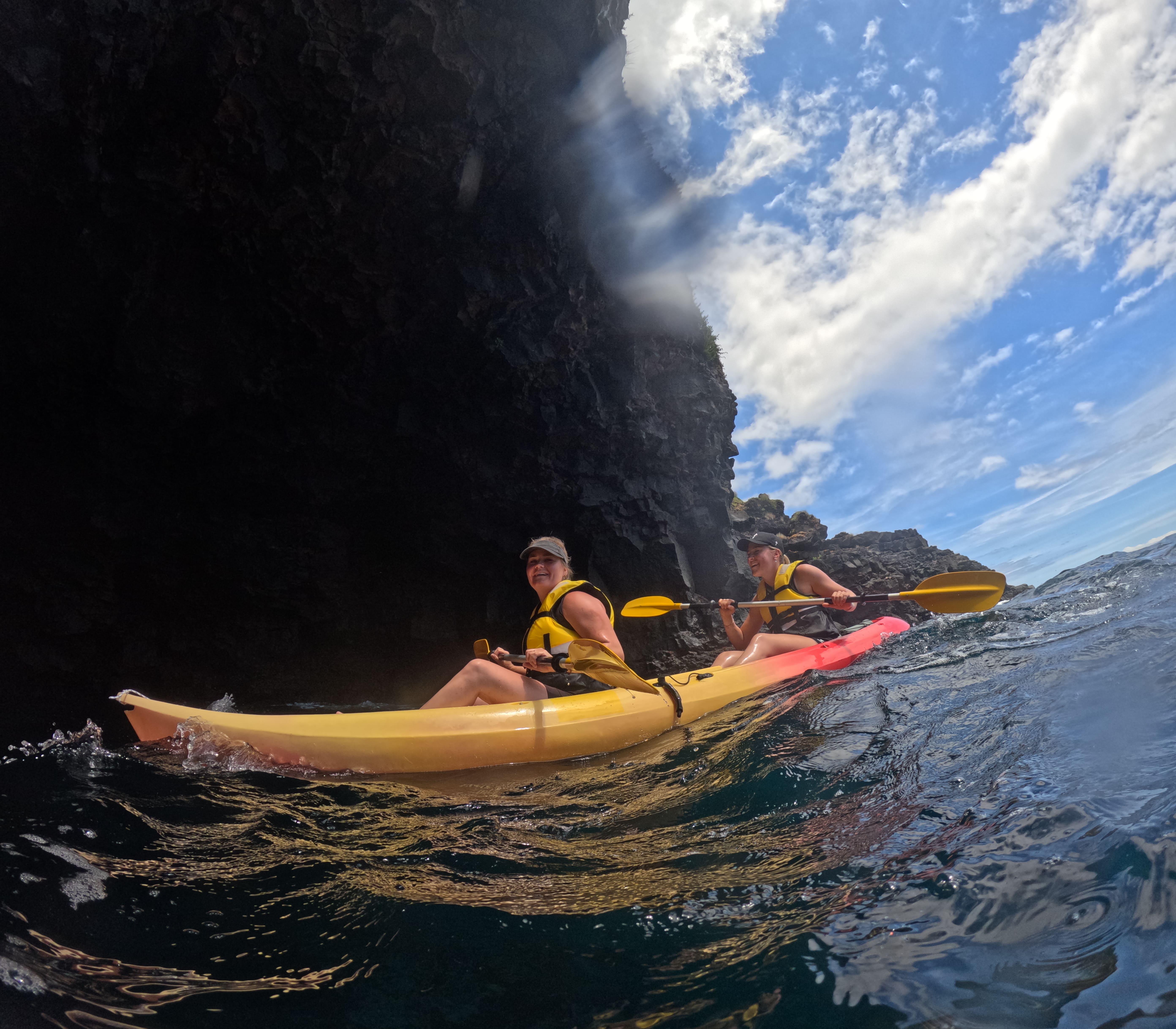
Paddle through the crystal-clear waters of São Caetano, exploring hidden sea caves and volcanic lava formations.
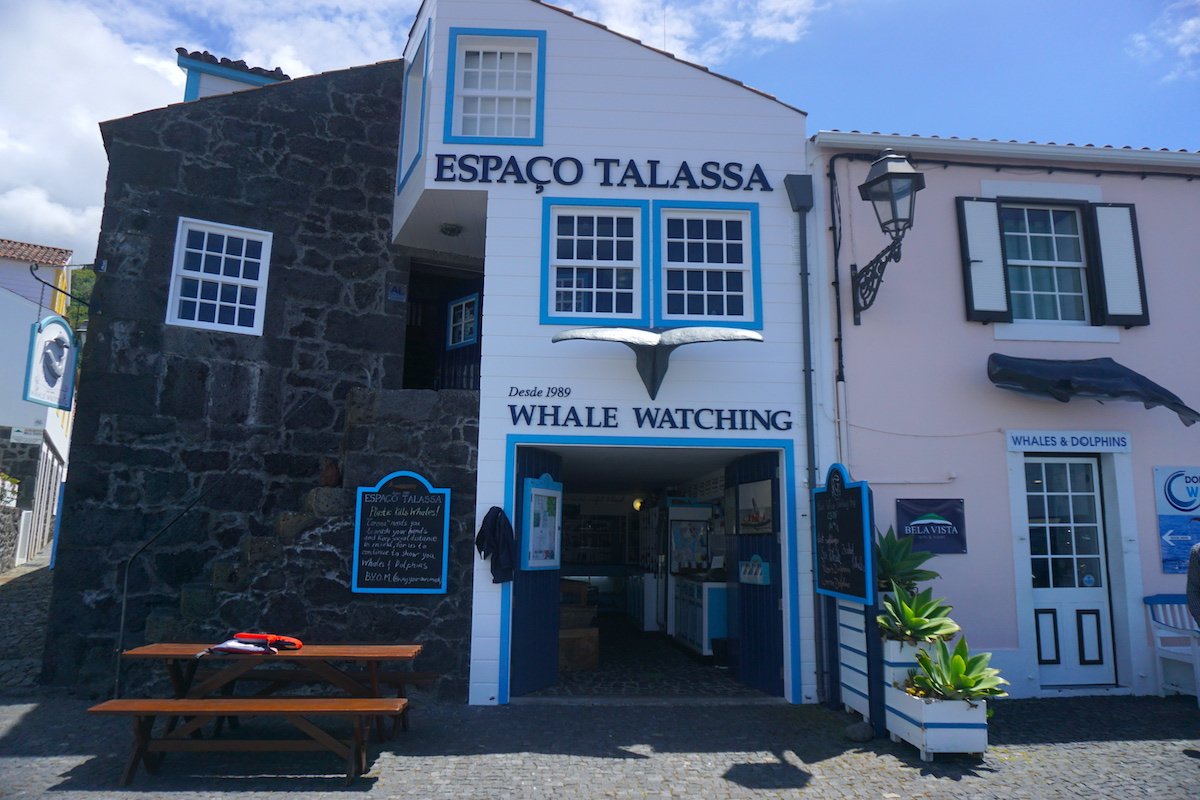
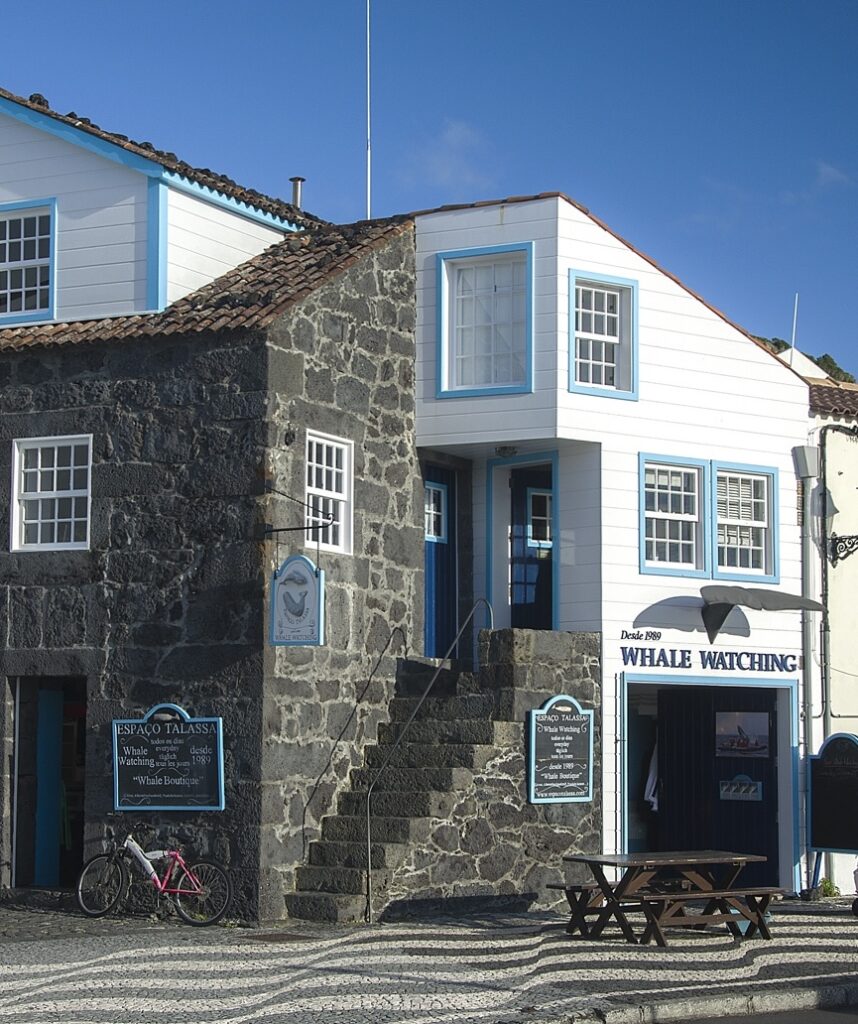
Arrive at the Espaço Talassa office to meet your marine biologist guide and receive safety equipment.
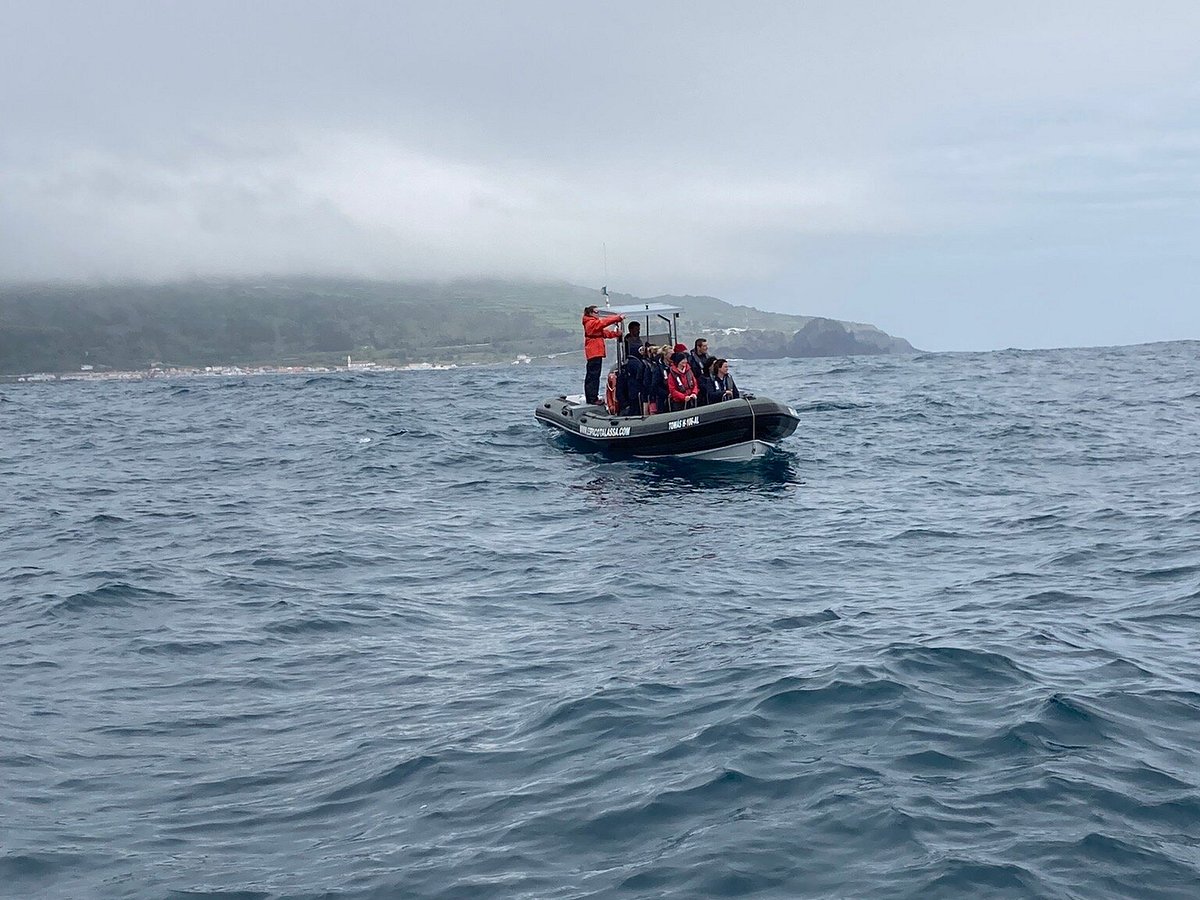
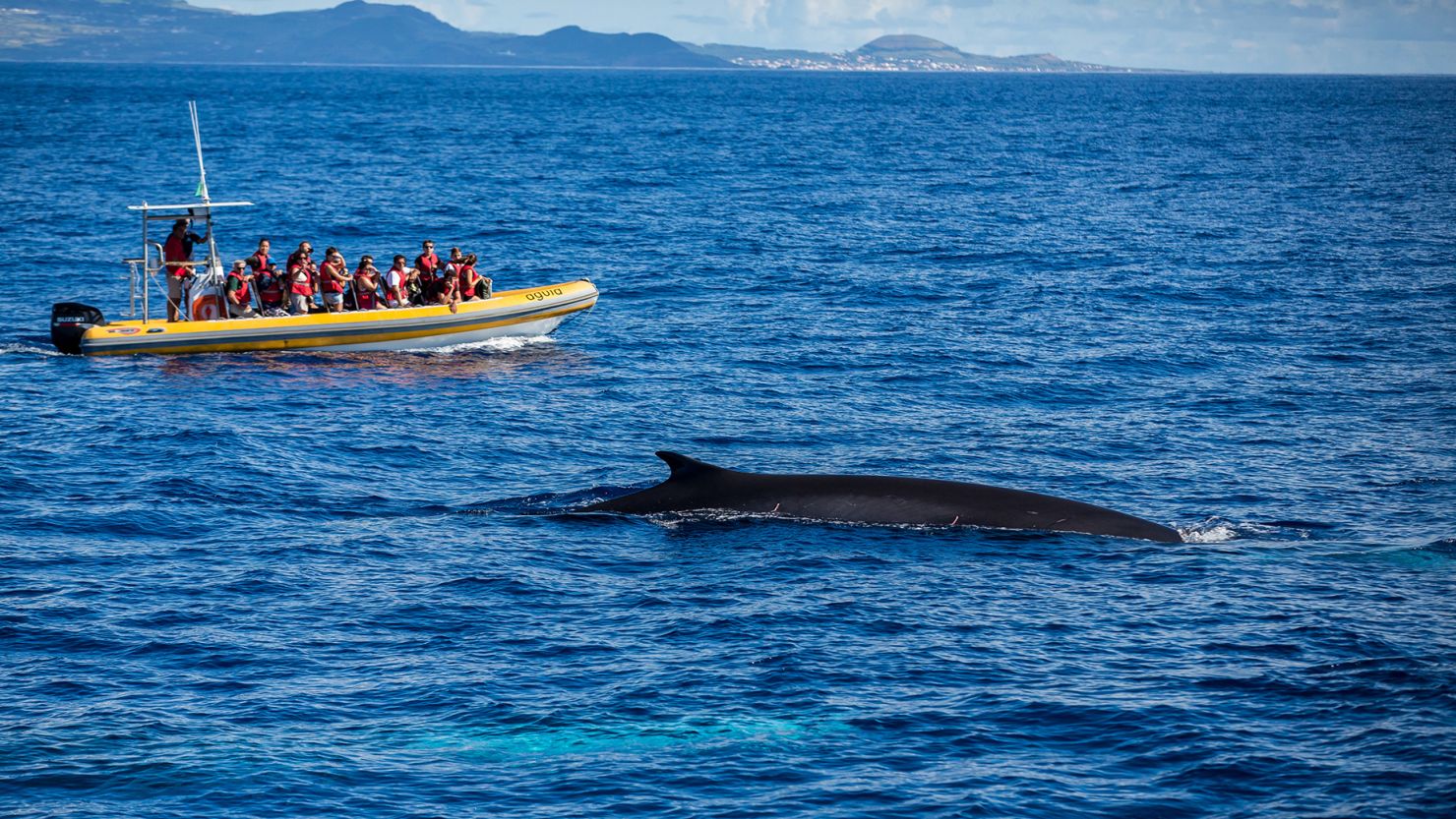
Board the rigid inflatable boat and navigate the Atlantic during this Azores whale watching excursion to locate sperm whales and dolphins under the direction of land-based lookouts.
Return to the base for a brief wrap-up and collect your complimentary museum entry tickets.
Opened in 1995 as the primary study and research station for marine biology in Lajes do Pico. Visitors start their tour here, viewing scientific charts and historic whaling memorabilia.
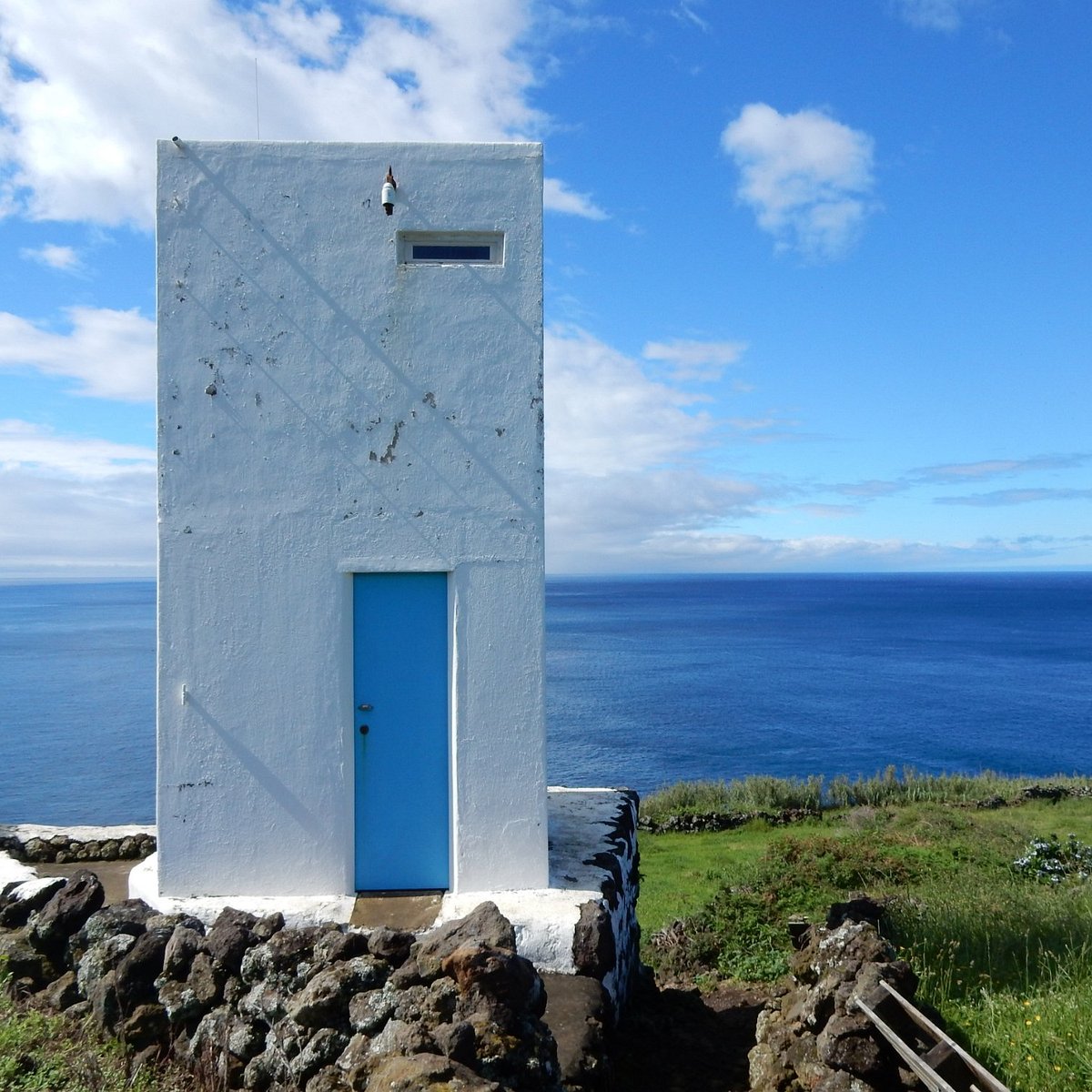
A historic stone structure built in 1939, initially used for whaling and bought in 1991 by Espaço Talassa. The tower has two stories due to a neighbor dispute that blocked the initial sea views, allowing lookouts to scan 50 nautical miles.
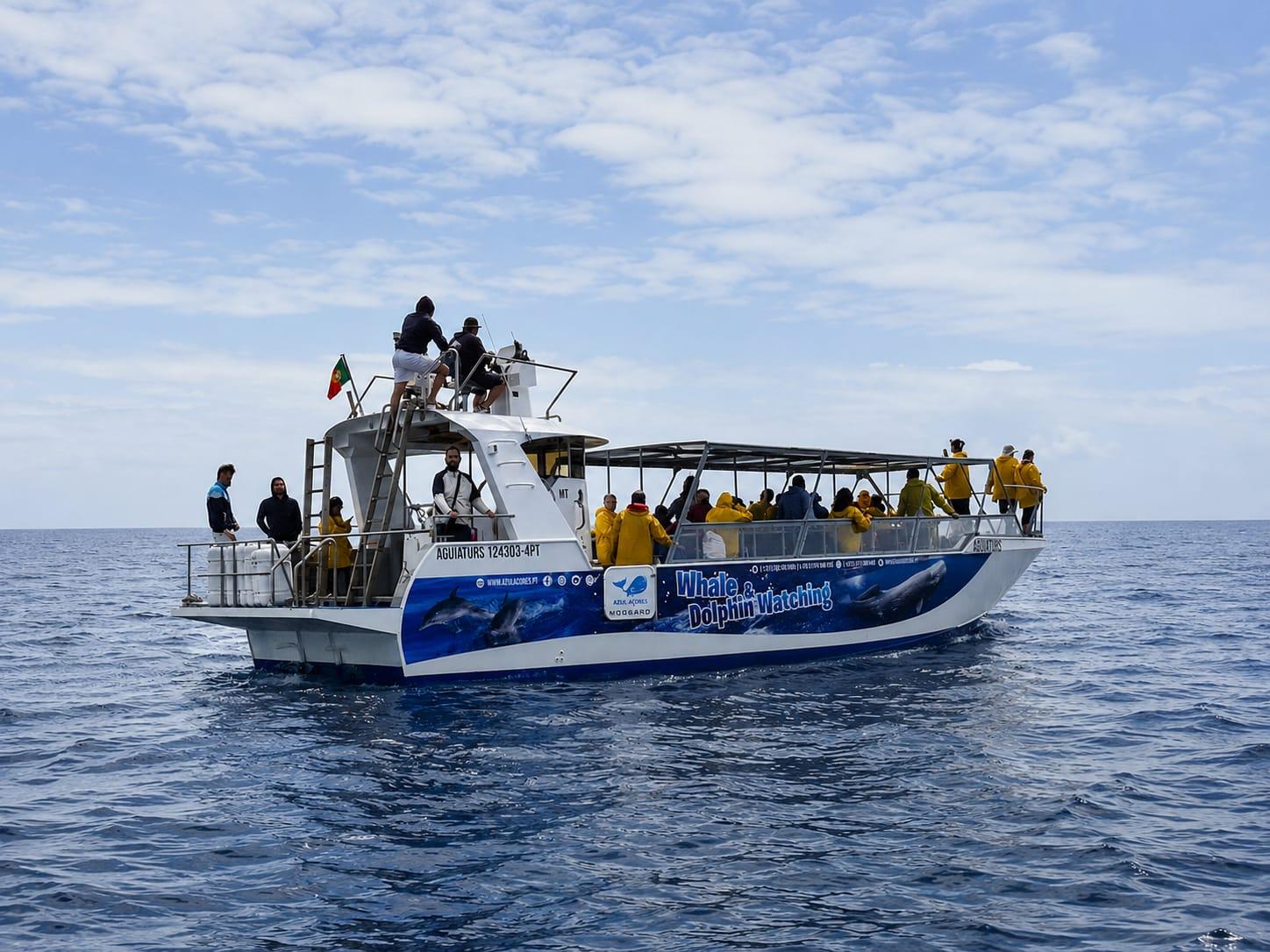
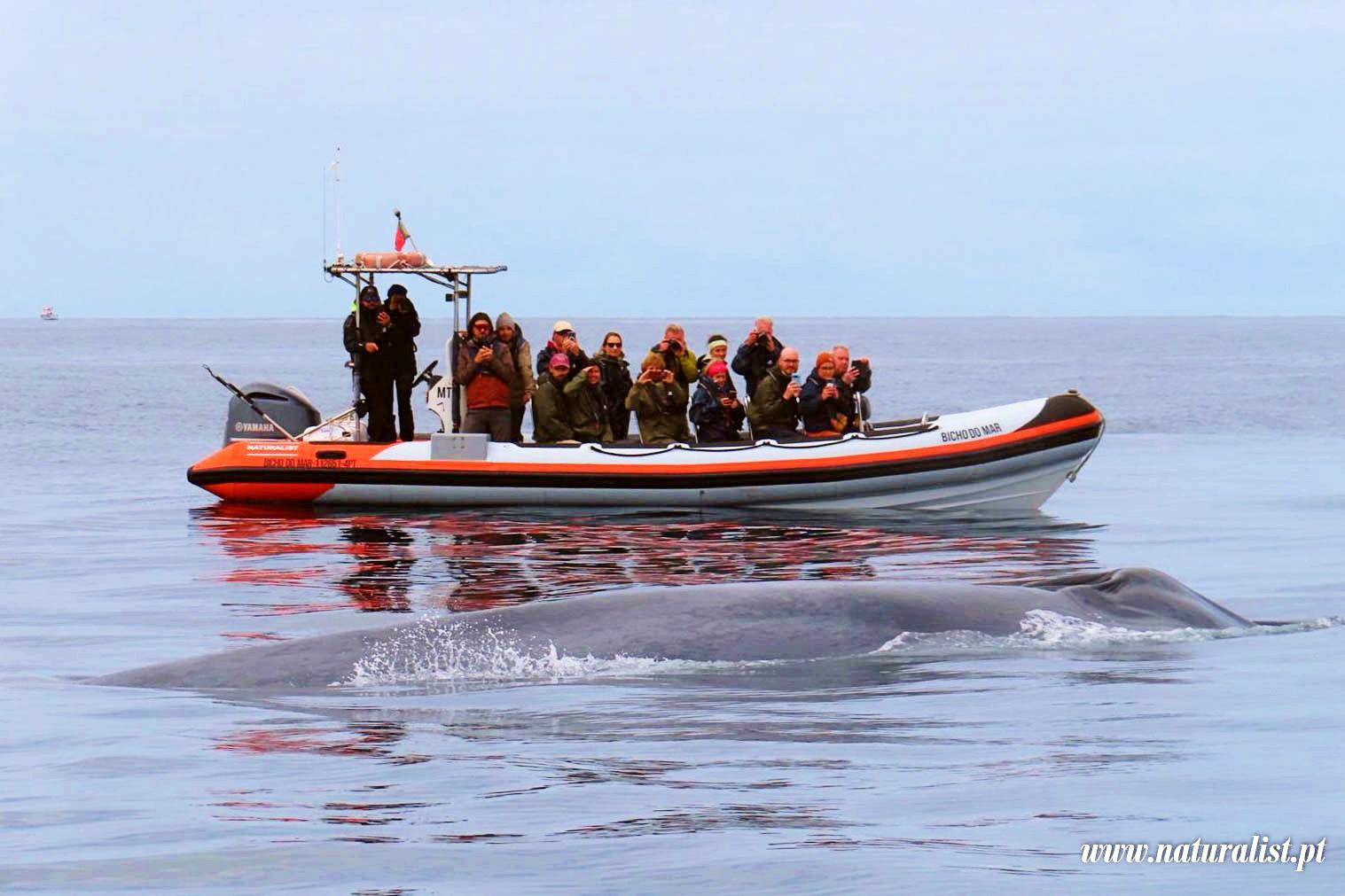
The tour fleet consists of active 12-passenger and 24-passenger rigid inflatable boats. These vessels allow fast speeds up to 25 knots to reach coordinates provided by land-based lookouts.
A dedicated research library inside the base that contains decades of cetacean research documents and environmental studies. Visitors can access this space for free to read about local marine biodiversity.
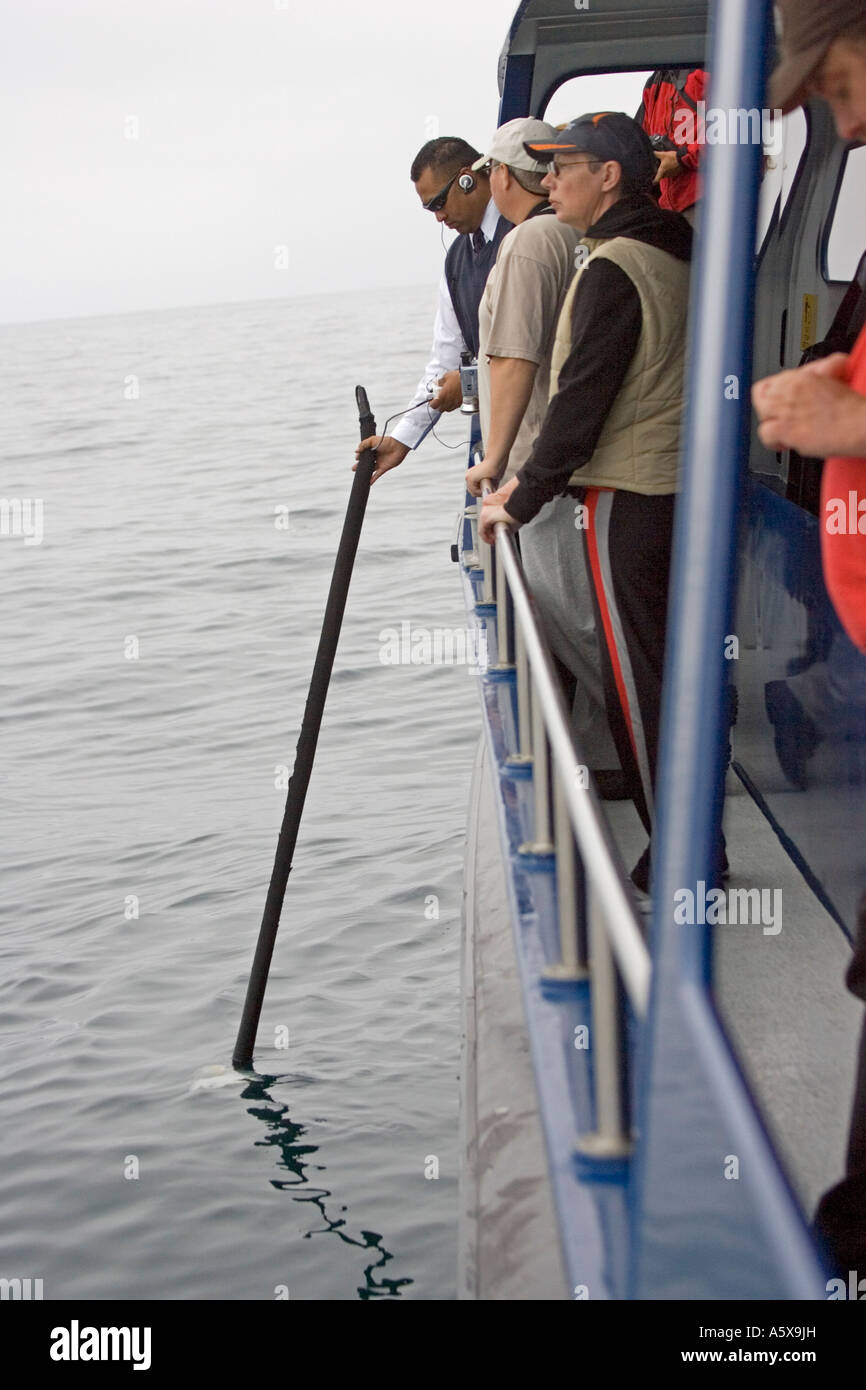
Onboard sound detection equipment used by the skipper to track underwater vocalizations of sperm whales. It allows guides to monitor calls from a depth of up to several hundred meters when mammals are submerged.
You reach the booking office on Rua dos Baleeiros around half past eight, thirty minutes before the nine o'clock departure. Doors open at 08:30, and the briefing begins here: a biologist explains hand signals, life jackets, and how the lookouts on the cliffs are already scanning the water for you.
You choose your vessel. The catamaran rides higher and drier; the Zodiac sits low and fast, slapping across the swell as spray comes over the bow. Either way you clear the breakwater within minutes, the volcano rising behind the town as the harbour shrinks.
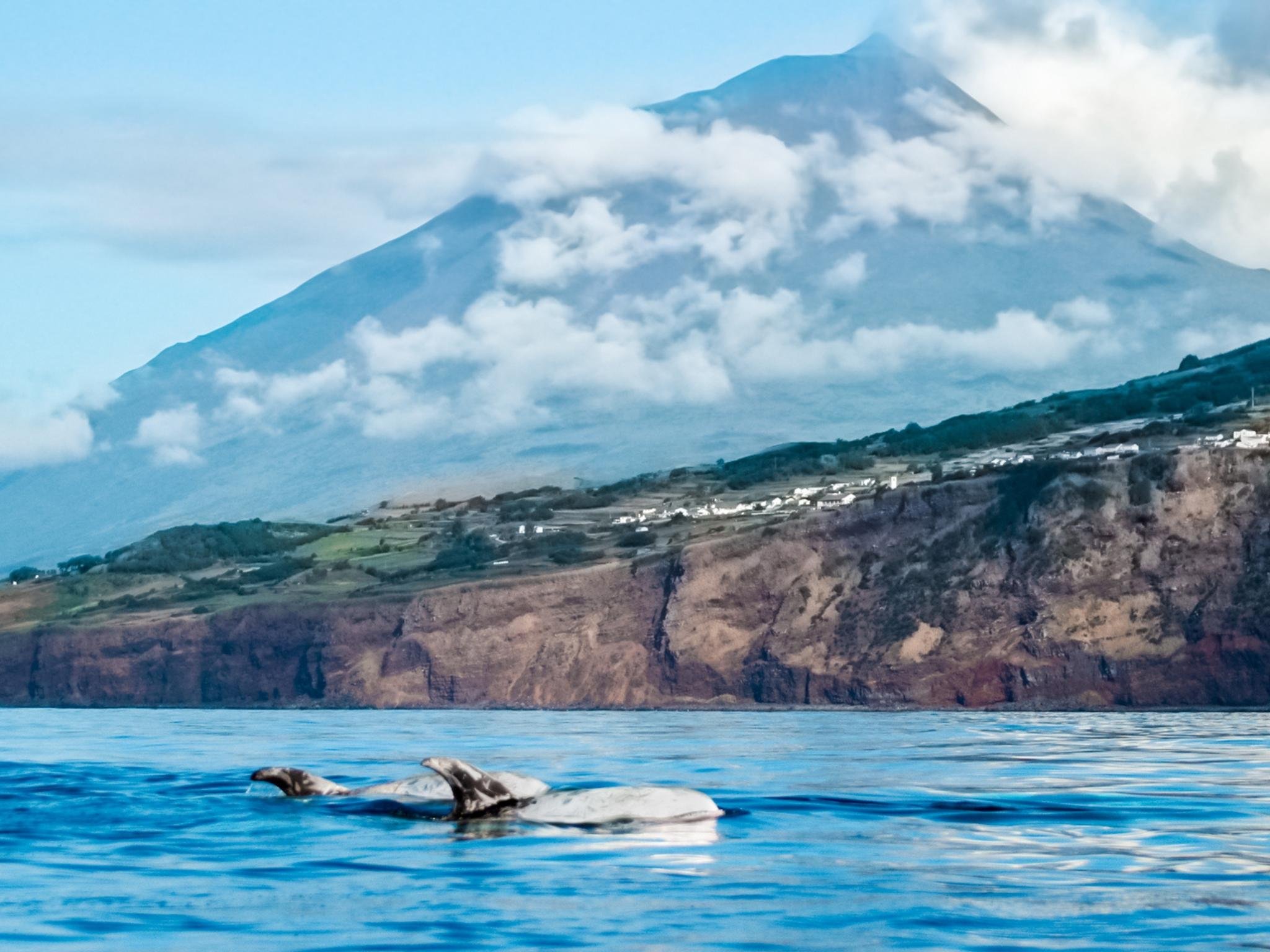
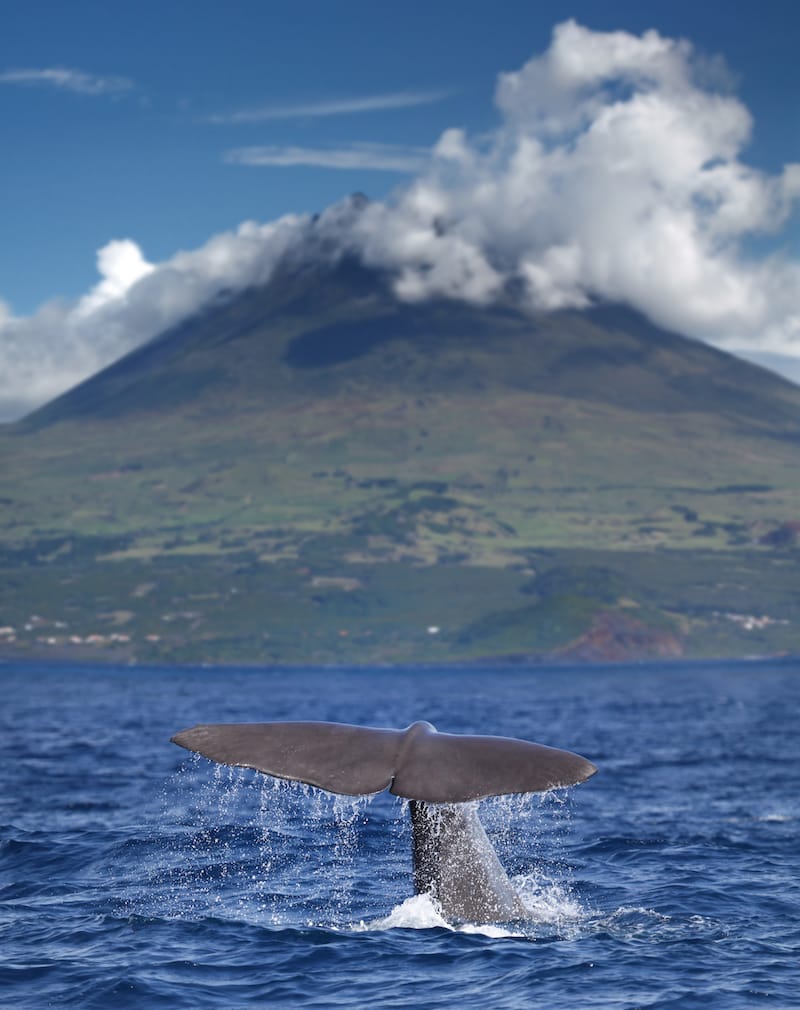
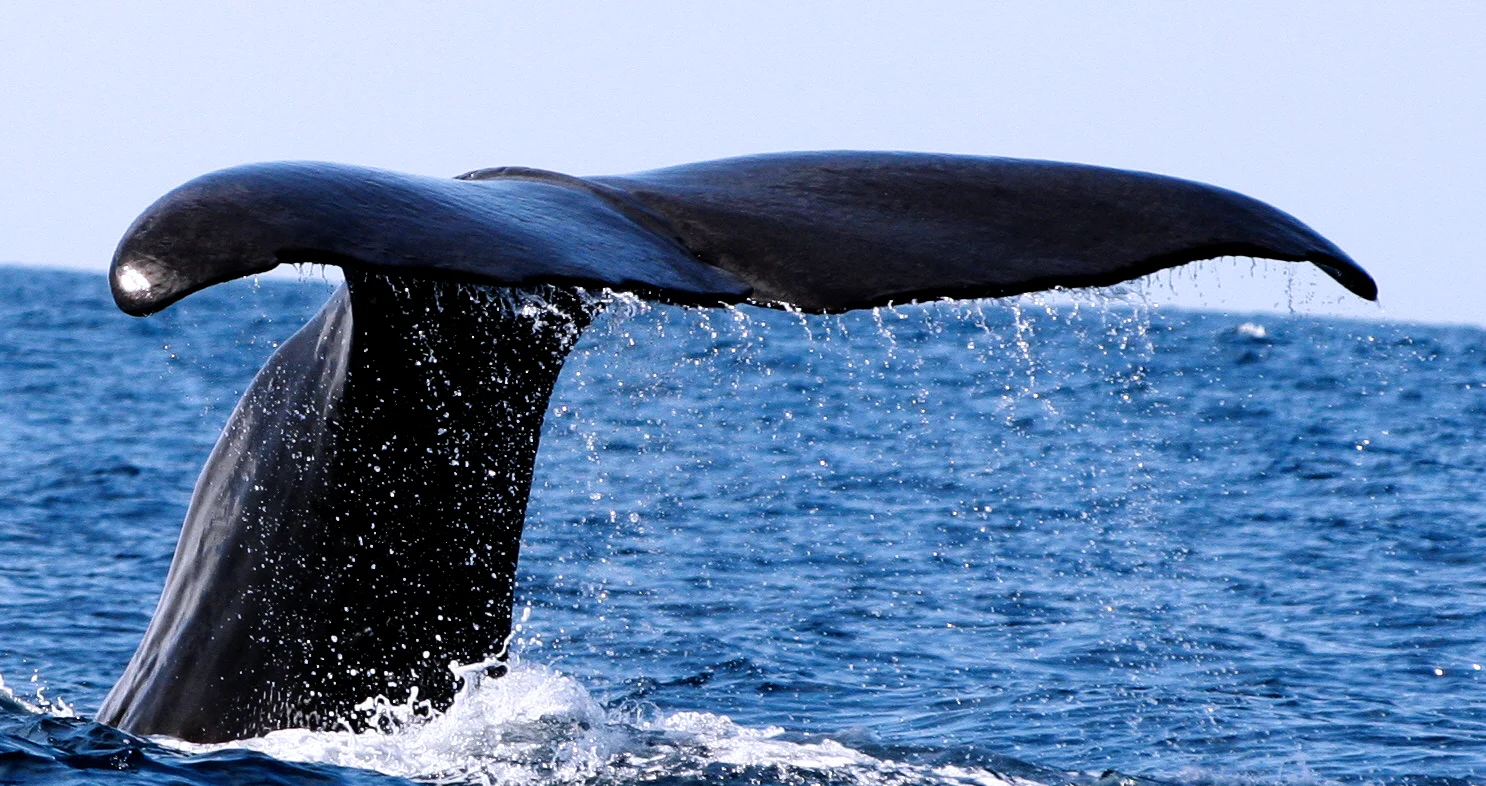
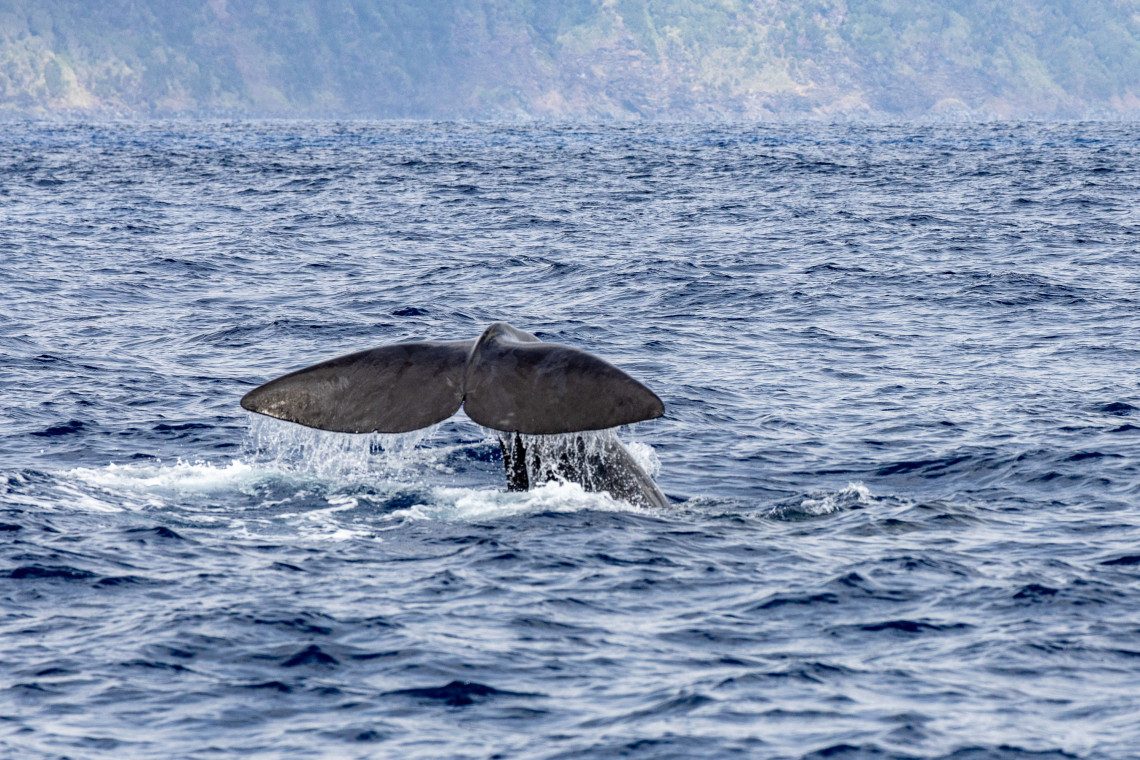
Then the radio crackles. The vigia has a blow. The skipper turns, throttles down, and you wait. A dark back rolls at the surface, a bushy angled spout, and finally the broad flukes lift clear as the sperm whale sounds for a deep dive. You have maybe forty seconds of it.
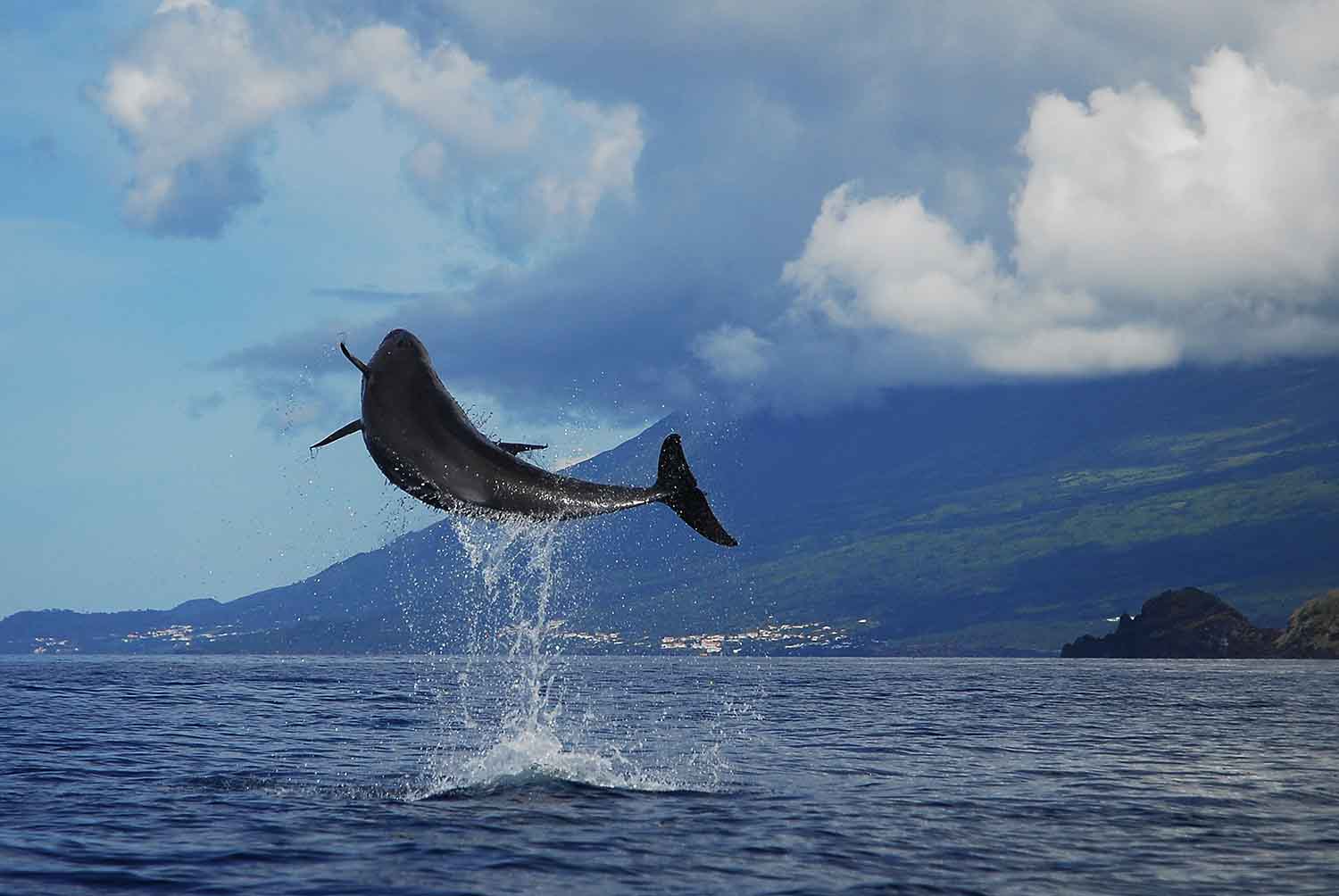
On the way back, a pod of common dolphins finds the bow and rides the pressure wave, calves tucked against their mothers. You photograph the dorsal fins for the crew's identification log. By early afternoon you step back onto the quay, salt-dried and quieter than when you left, having joined the pico island whale watching tour that reads this coast the way whalers once did.
All the details about your upcoming adventure in one place
For nearly two centuries, the men of Lajes do Pico hunted the sperm whale with hand-thrown harpoons from open wooden boats. The last Azorean whale was killed in 1987. The hunt is gone; the whales remain.
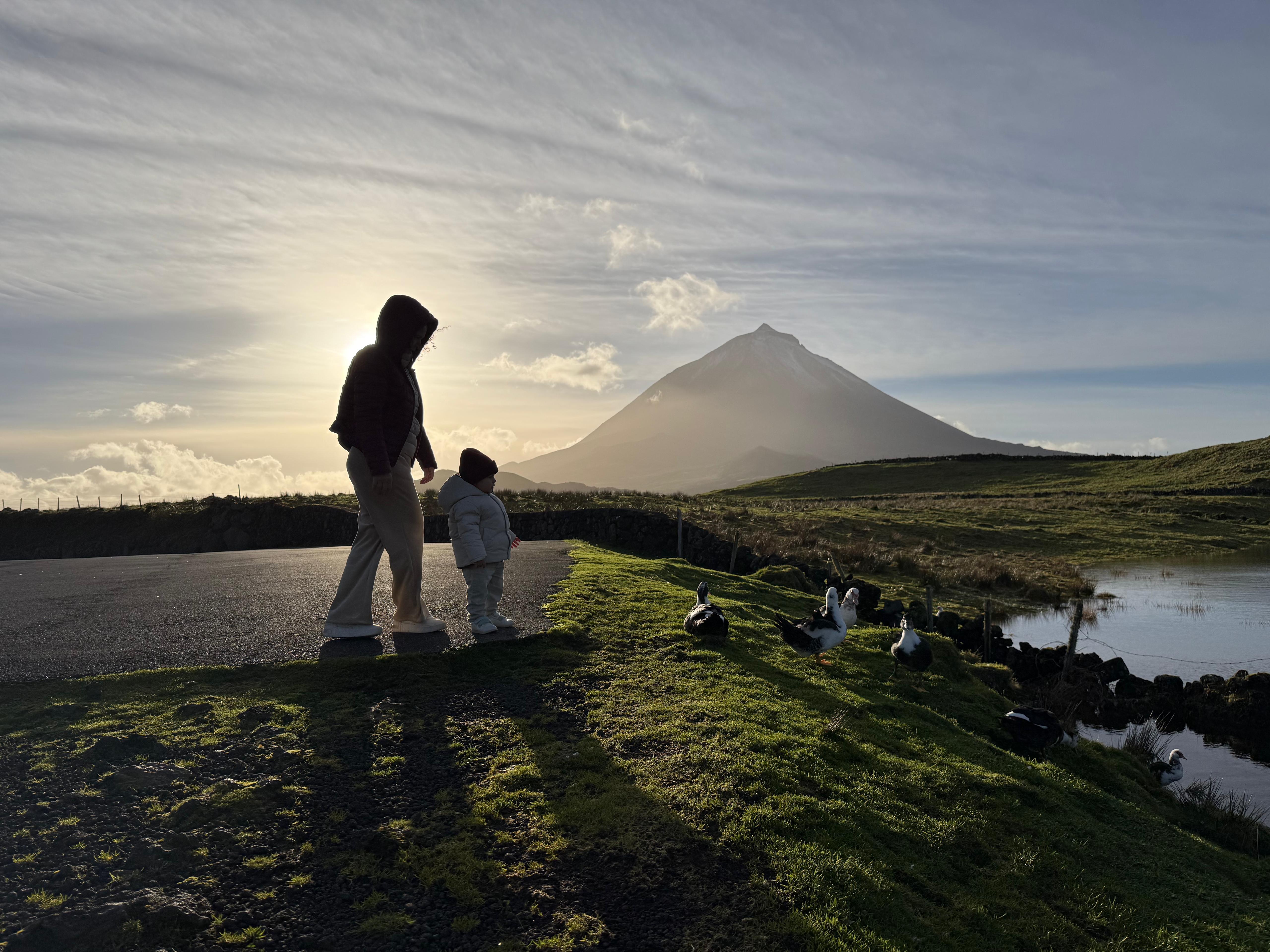
Pico Island sits in the central Azores, its 2,351-metre volcano the highest point in Portugal. The deep waters off Lajes fall away steeply from the coast, drawing sperm whales, which dive here to feed on squid in canyons more than a kilometre down. This is not a seasonal spectacle staged for visitors. It is a resident population, tracked by researchers and photographed for identification catalogues that stretch back decades.
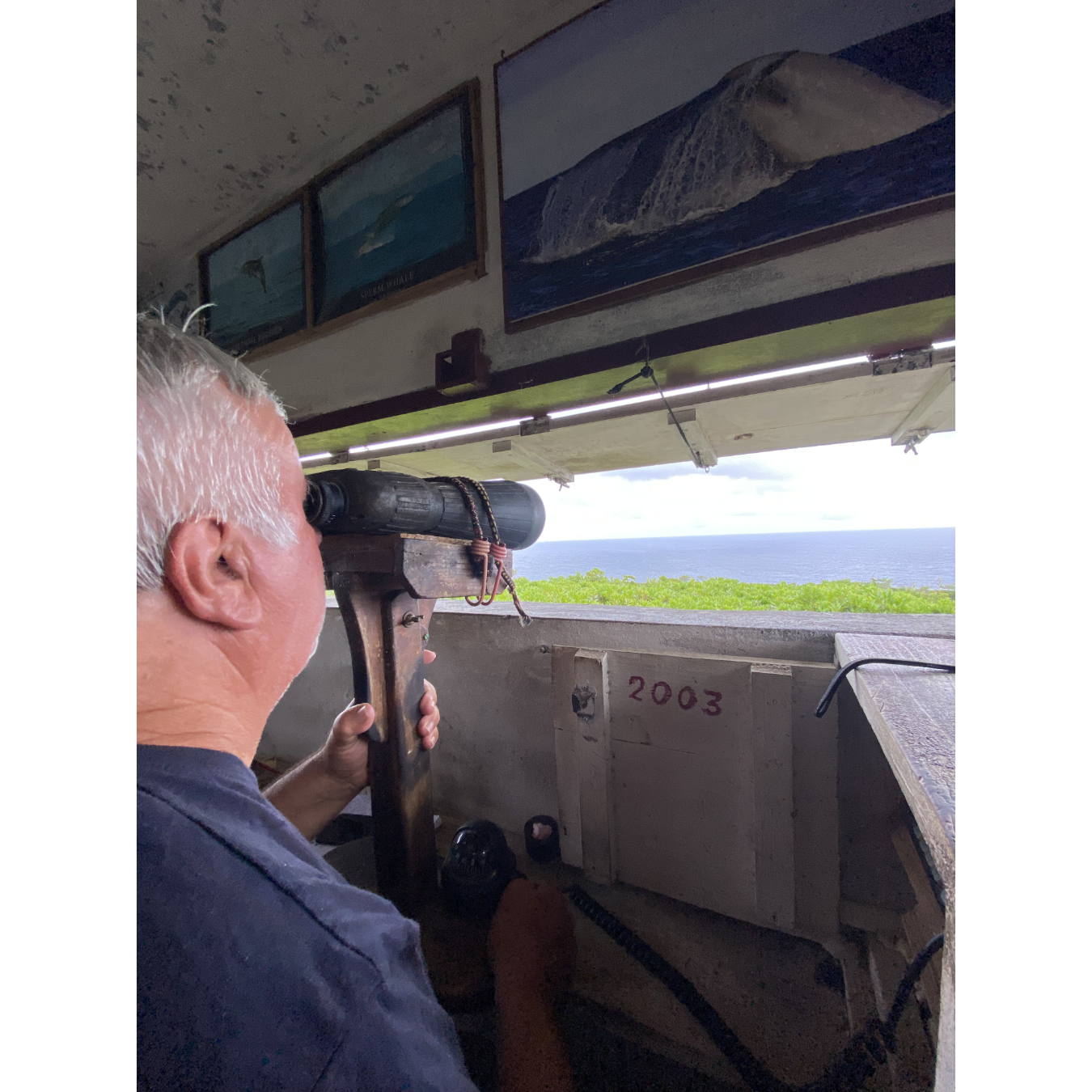
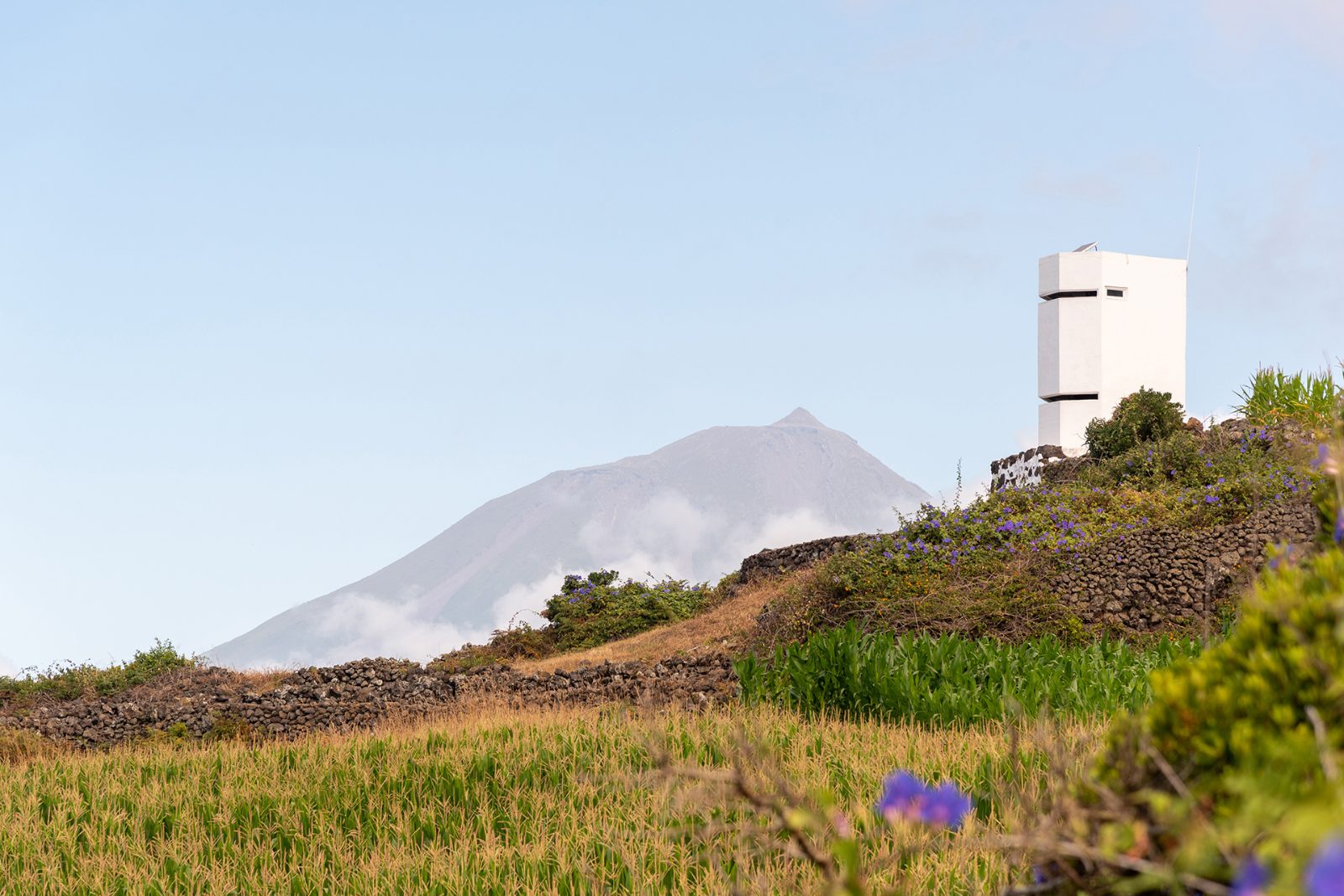
The old lookout stations, the vigias, still stand on the cliffs. From these whitewashed towers, spotters once guided boats toward blows on the horizon; today the same trained eyes guide catamarans and Zodiacs on every pico island whale watching tour, radioing coordinates to skippers below. Little else about the method has changed. The whale is found by a human watching the sea, not by sonar or chance.
Beyond the sperm whale, these waters carry a remarkable roster. Common and bottlenose dolphins travel in hundreds. Blue whales, fin whales and sei whales pass on migration between spring and early summer. Loggerhead turtles drift at the surface. More than twenty cetacean species have been recorded off the island, a concentration that has made Lajes a reference point for marine biologists across the North Atlantic.
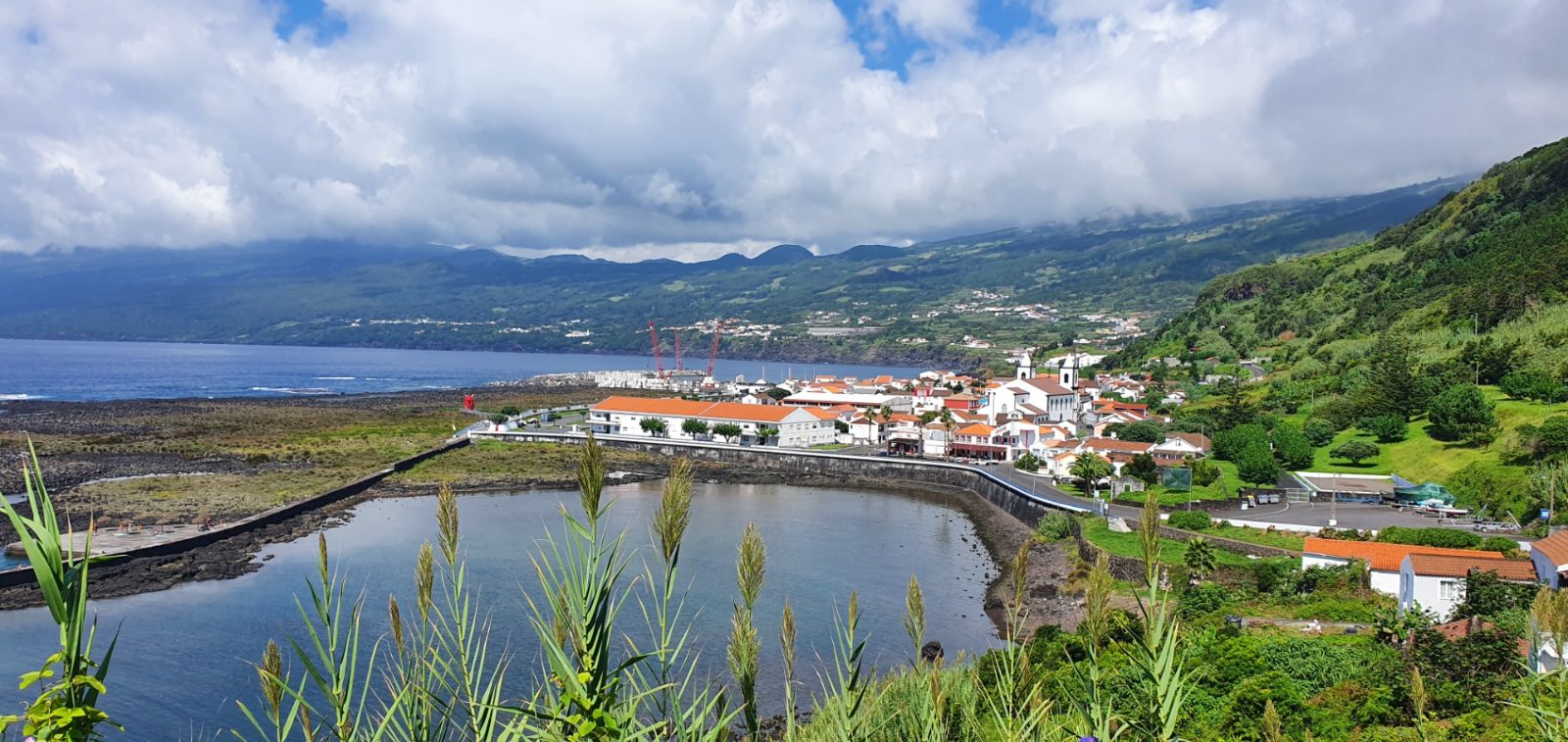
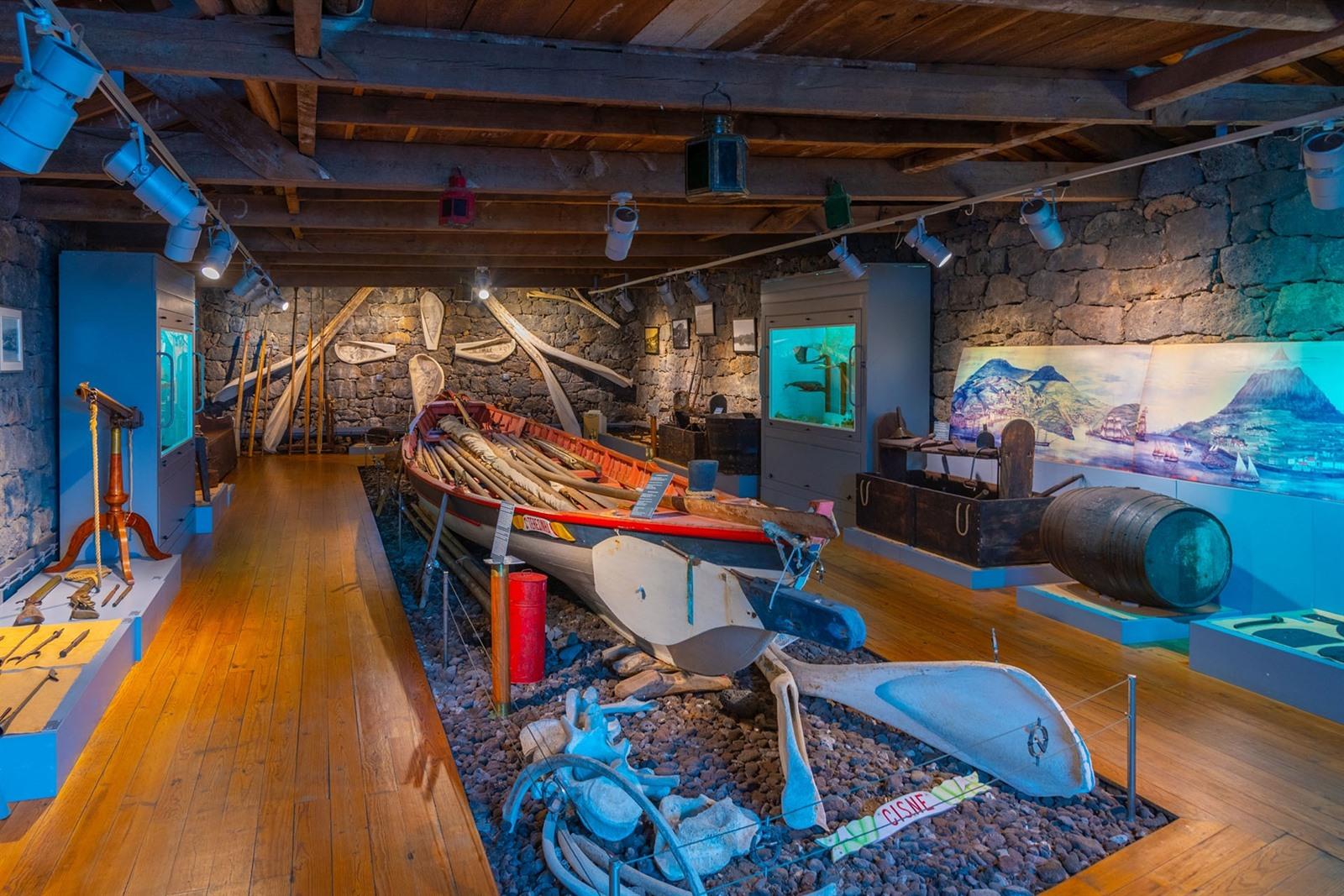
The town itself wears its history plainly. The Whalers' Museum occupies former boat sheds near the harbour. Whale-shaped weathervanes turn above stone houses, and the church of Nossa Senhora da Conceição looks down on the slipway where boats once landed their catch. A whale watching tour in Pico Island now sails from the same quay, reversing the old traffic entirely.
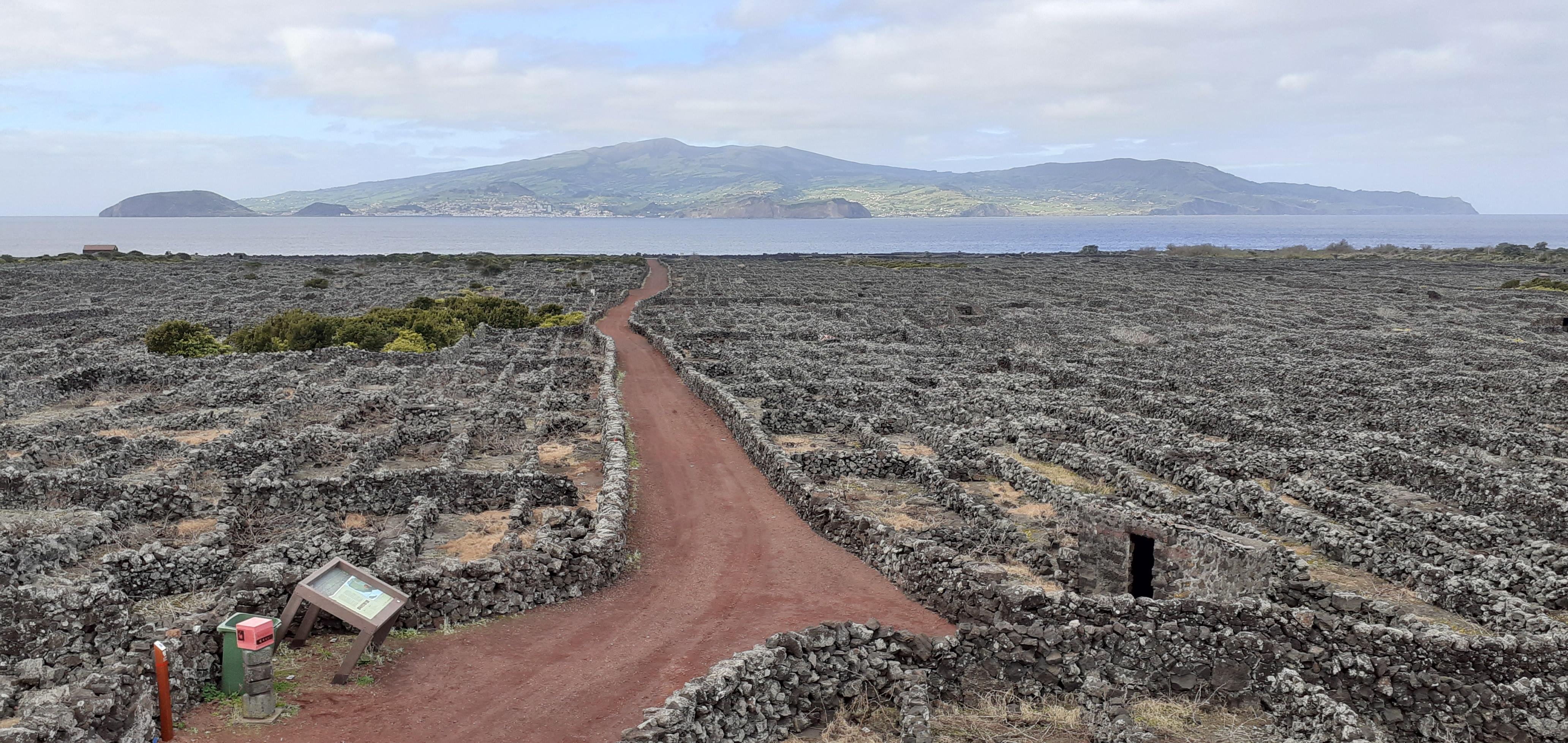
The surrounding landscape reinforces the sense of a place shaped by the sea and by fire. UNESCO lists the island's vineyard culture as World Heritage: grapes grown in currais, small plots walled with black basalt against the salt wind. The volcanic geology that built these fields also built the underwater shelf that feeds the whales. On any pico island whale watching tour tour, the mountain remains visible astern, a reminder that land and ocean here belong to a single volcanic system that continues to define daily life on the island.

The hunt is gone; the whales remain.
Wear warm, layered clothing as maritime winds significantly reduce the felt temperature. Windproof jackets are highly recommended, and flat, rubber-soled shoes are necessary for stable footing on the zodiac vessels.
Keep personal baggage to a minimum; there is very limited space on the rigid inflatable boats. Small dry bags are ideal to protect personal belongings from ocean spray during the excursion.
Bring a camera with a telephoto zoom lens and secure it with a neck strap. Waterproof housing or protective sleeves are strongly advised to guard against salt spray.
A Pico Island whale watching tour is suitable for children aged 5 and older when accompanied by an adult. Life jackets are provided and must be worn by all family members during the entire trip.
Boarding the rigid inflatable boats requires physical agility to step over the tubes, making a Pico Island whale watching tour unsuitable for travelers with severe mobility issues.
Only bottled water and small dry snacks are permitted on board the vessels. No alcoholic beverages or glass containers are allowed, and a complimentary drink is provided at the base post-tour.
Opening Hours
Mon-Sun 08:30–20:00
Address
Rua dos Baleeiros 15, 9930-143 Lajes do Pico, Azores, Portugal
Best Arrival
08:30–13:30 (arrive 30 minutes before departures)
Mobility Access
Limited; zodiac boarding requires physical step-in
Booking Office
Espaço Talassa booking office for your Pico marine wildlife excursion
Car · 45m from Madalena · 0 EUR
Drive along the regional ER1 route directly to the southern coast of the island. Public parking is available near Lajes do Pico harbor.
Public transport · 1h 10m · 5 EUR
Take the local Linha Sul bus route that connects Madalena to Lajes do Pico, though departures are limited.
Cancellations requested more than 4 days before departure receive a full refund, including the booking fee. Rescheduling is offered for late cancellations on these Pico Island whale watching tour tickets.
Recommended time
3 hours
If you plan to embark on a pico island whale watching tour, reserving your slot early is highly recommended. Morning departures typically enjoy calmer seas, which helps the land-based vigia spot resident sperm whales. The standard pico island whale watching tour tour requires arrival 30 minutes before departure for a mandatory briefing with a marine biologist. This Lajes do Pico marine wildlife excursion lasts three hours and departs twice daily from the harbor. Because space is limited on the boats, secure your pico island whale watching tour tickets days in advance during busy months. The office is open from 08:30 to 20:00, giving you plenty of time to check in or ask questions. For a deeper dive, consider multi-day pico island whale watching tour tours that cover multiple outings over a week.
Crowd levels through the day
Weather · crowds · average price — dots go green to amber to red as each metric rises.
From March to May, you have the highest chance to spot large migratory baleen whales, such as blue, fin, and sei whales, passing through Azorean waters. The weather is cool and requires heavy layers.
From June to August, resident sperm whales and various dolphin species are frequently seen with their calves in calmer, warmer sea conditions. This is the peak season for a Pico Island whale watching tour tour.
During September and October, sea conditions remain favorable, and tourist crowds thin out. The ocean water is warm, making it a pleasant time for marine excursions.
You must arrive at least 30 minutes before your scheduled 09:00 or 14:00 departure. The preliminary safety and marine biology presentation is mandatory for all guests before embarking on a Lajes do Pico cetacean safari.
Keep in mind that the vessels rely on land-based observers called vigias to find the whales. Trust the guides when they wait for coordinates rather than searching at random.
Take motion sickness medication before boarding if you are prone to seasickness. The Atlantic swells can be intense even on clear, sunny days.
Your tour ticket includes free admission to the nearby Museu dos Baleeiros. Visit the museum after your trip to enrich your understanding of the local whale heritage.
Rua dos Baleeiros 15, 9930-143 Lajes do Pico
Meet 30 minutes before your scheduled departure time for check-in and briefing.
Get directionsWhaling reached Lajes do Pico through American crews. From the 1830s, Nantucket and New Bedford ships anchored off the Azores to recruit local men, training them to hunt the sperm whale, the cachalote, from open boats. The islanders learned the hand harpoon and the long chase across heavy swell. What had begun as foreign employment became a village craft. A pico island whale watching tour now follows those same offshore grounds. By 1900, the southern coast held tryworks, boat sheds and clifftop vigia towers. From these lookouts, watchmen scanned the horizon for spouts, then signalled the whaleboats waiting below. A single cachalote could sustain a family for months. Each pico island whale watching tour tour now leaves from that same working harbour. Portugal ended commercial whaling in 1987, and the last hunt in Azorean waters fell silent that year. The oil rendering stopped, and the sheds emptied. Veterans of the canoas remained ashore, their reading of wind and water intact. Modern pico island whale watching tour tours drew directly on that expertise. The vigia towers proved central to reinvention. From the same lookouts, spotters who once directed harpoons now guide skippers toward the animals for observação de baleias. Former whalers became the first modern boatmen. Espaço Talassa, founded in Lajes in 1989, turned hunting skill into a pico island whale watching tour built on conservation. Today hydrophones replace the harpoon, letting crews listen for the cachalote before it surfaces. A single pico island whale watching tour tickets purchase now supports the marine research based on the island. The old skills survive, redirected from killing to watching, and the towers still stand along the cliffs.
American ships recruit Azorean men to hunt the sperm whale from open boats.
Tryworks, boat sheds and vigia lookout towers line the coast at Lajes do Pico.
Portugal's last whale hunt ends commercial whaling in Azorean waters.
The Whalers' Museum opens in Lajes do Pico to record the trade.
Espaço Talassa founds organised whale watching in Lajes do Pico.
Former vigia towers still guide boats toward sperm whales offshore.
This historic stone lookout tower, used by spotters to locate cetaceans, offers panoramic views over the Atlantic. Climb up to capture the coastline and the vast sea where the search for marine life begins.
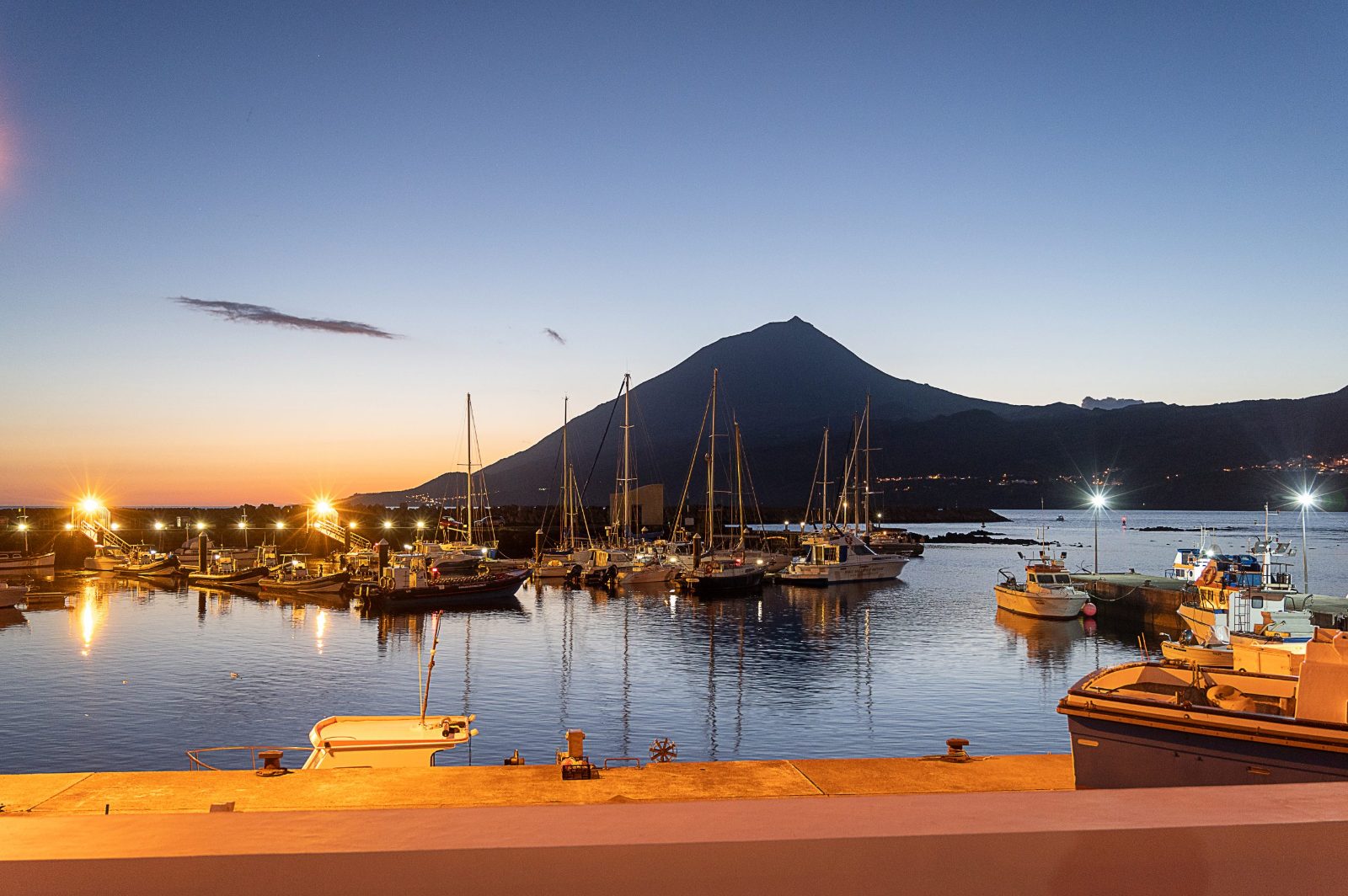
The harbor serves as the main departure point where visitors board the RIB boats. If you secure your pico island whale watching tour tickets early, you can capture the vessels lined up against the backdrop of the village.
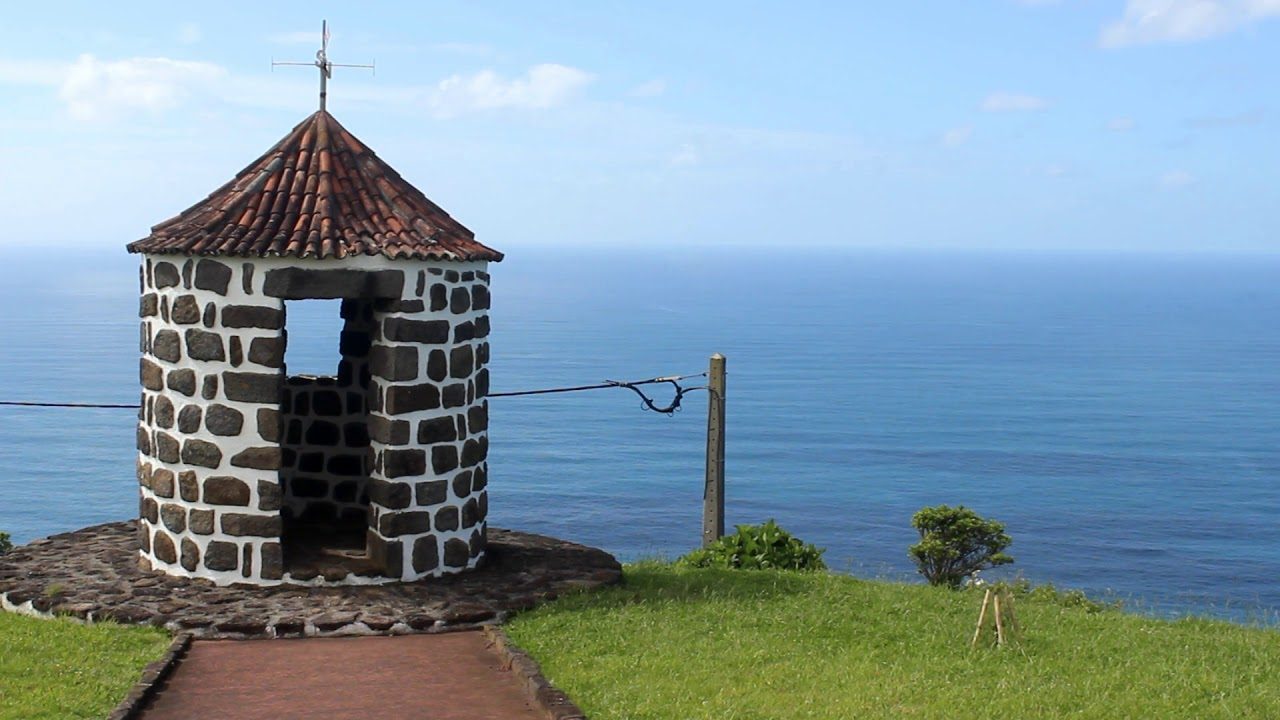
Located along the coastal paths, this traditional lookout post provides an elevated view of the ocean. Many photographers join these specialized pico island whale watching tour tours to document the marine landscape from a high vantage point.
Walking along the shore path offers a viewpoint of both the Atlantic Ocean and Mount Pico. A pico island whale watching tour provides the perspective of the ocean giants, but from the shore, you can photograph the dramatic contrast of the volcanic rocks against the water.
The exterior of the Whalers' Museum features historic architecture and views of the harbor. It is a great spot to photograph traditional whaling artifacts before embarking on your pico island whale watching tour tour.
Taking a pico island whale watching tour with children is a thrilling ocean adventure. Ensure everyone in the family meets the physical demands of open-water exploration before heading to the harbor.
Before buying pico island whale watching tour tickets, verify restrictions. Most providers enforce a minimum age of 5 or 6 on the fast Zodiac boats.
Atlantic waves cause a bumpy, wet ride. Dress kids in windproof layers and prepare them for splashes; life jackets are mandatory for all passengers.
For toddlers, visit local lookouts (vigias). Spotters here use binoculars to find sperm whales, offering a calm way to engage with whaling history.
This Lajes do Pico whale tour lasts three hours, beginning with a marine biologist briefing. Bring water and dry snacks; boats have no restroom facilities.
Strollers are prohibited on boats but can be left at the office. When booking pico island whale watching tour tours, morning slots offer calmer waters.
Expect a bouncy ride on this pico island whale watching tour tour. Sit kids toward the back of the boat, where wave impact is less intense.
After completing your pico island whale watching tour, you can find excellent Azorean seafood and international dishes just minutes from the harbor. The local culinary scene near your Lajes do Pico boat tour features fresh catches brought in daily by regional fishermen.
Perched overlooking the ocean, this spot crafts fresh sushi using locally caught Azorean fish after a day of spotting marine life. It is an ideal spot to reflect on your pico island whale watching tour tour details.
Famed for its traditional octopus stew, this restaurant blends local ingredients with international techniques. Enjoying a hearty meal here after collecting your pico island whale watching tour tickets makes for a perfect day.
This high-end establishment highlights the island's unique terroir with an elevated multi-course menu. It is perfect for visitors looking to pair their pico island whale watching tour tours experiences with fine Azorean wines.
Everything you need to know for your journey
The booking office is open from 08:30 to 20:00 daily from Monday to Sunday.
You should arrive between 08:30 and 13:30, specifically 30 minutes before the scheduled 09:00 or 14:00 departure times at the Espaço Talassa base.
If sea conditions prevent safe navigation, Espaço Talassa will attempt to reschedule the trip within the current season.
Children must be at least 5 years old to join any zodiac-based Pico Island whale watching tour.
Wear flat, rubber-soled shoes and warm, windproof layers to protect against cold maritime winds during your Pico Island whale watching tour.
Yes, photography is permitted, but you should secure your camera with a neck strap to prevent it falling overboard during the Pico Island whale watching tour.
The zodiac vessels used for the Pico Island whale watching tour are not wheelchair accessible due to the physical step-in boarding process.
Only bottled water and small dry snacks are allowed on board, and a complimentary drink is provided at the base after your Pico Island whale watching tour.
The Whaler's Museum and the historic Whale Factory museum are both located within a short walk of the base.
A dedicated museum housed in historic boathouses detailing the traditional history of Azorean whaling.
A cultural center and marine science museum built inside a former whale processing factory.
An active land-based lookout tower where observers spot cetaceans and relay coordinates to boats.
A cozy hotel managed by the tour operator featuring private bathrooms and views of the Atlantic Ocean and Pico Mountain.
A traditional stone guesthouse offering local charm and quick access to Lajes do Pico harbor.
Join thousands of happy travelers who have discovered this incredible experience
Book Your Experience Now